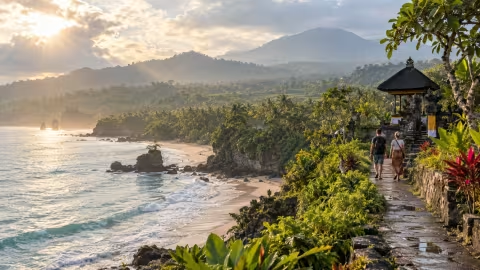
East Bali is ideal for travelers who want a trip shaped by coastline, mountains, temples, village life, and open landscapes. This three-day itinerary links Karangasem, Amed, and Sidemen without trying to cover every attraction in the region.
The route works best with a private driver because distances are longer than they look on a map. Conditions, ceremonies, weather, and local access can change, so treat the schedule as a framework rather than a promise of exact arrival times.
Day 1: Karangasem temples and mountain landscapes
Begin with a respectful temple visit or a viewpoint in Karangasem. Wear clothing that covers the shoulders and knees, follow local instructions, and never enter restricted areas. Pura Pasar Agung Karangasem is one destination to research before planning a mountain-side visit.
Continue through the eastern countryside with time for a local meal and a scenic stop. Keep the route flexible because mountain roads can be narrow, winding, and slower after rain.
Day 2: Amed and the East Bali coast
Spend the morning around Amed. The coast is known for fishing villages, black-sand beaches, coral areas, and access to water activities. Conditions vary, so confirm the sea state and use an operator that explains equipment, safety, and environmental expectations.
Leave time for a quiet sunset or a village meal. Amed is more enjoyable when treated as a coastal community rather than a collection of photo stops. Keep clear of boats and fishing gear, ask before photographing people, and take rubbish with you.
Day 3: Sidemen and the inland route
Travel inland to Sidemen for rice fields, hills, small roads, and village scenery. A guided walk can help you stay on public paths and understand how agriculture and local life shape the landscape. Do not cross working fields or private land without permission.
From Sidemen, continue toward your next base or return to South Bali with enough buffer for traffic. If you need an airport transfer, ask Bali Saku Raba to build the route around your departure time.
Best time to visit East Bali
The dry season often offers clearer views and easier conditions for outdoor activities, while the wet season can make mountain paths slippery and coastal conditions less predictable. Check forecasts shortly before travel and confirm opening arrangements with the relevant local manager.
What to bring
Comfortable shoes with good grip
Modest clothing and a sarong for temple visits
Sun protection and drinking water
Dry bag for coastal activities
Cash for small local purchases where card payment may not be available
Is East Bali worth visiting?
Yes, if you want a slower route with more landscape and fewer major entertainment hubs. The region rewards travelers who accept longer drives, early starts, and a less predictable timetable. The payoff is a more varied experience of Bali, from sacred mountain spaces to working coastlines and cultivated hills.
Frequently asked questions
How many days do I need in East Bali?
Three days is a useful minimum for combining Karangasem, Amed, and Sidemen without rushing every stop.
Is Amed or Sidemen better?
Amed suits travelers who want the coast and water activities. Sidemen suits travelers who prefer rice fields, village walks, and inland scenery.
Can I visit East Bali as a day trip?
Some places can be visited as a long day trip, but staying overnight is more comfortable and reduces time spent on the road.
East Bali is a region rather than a single sightseeing zone. Karangasem, Amed, and Sidemen each offer a different landscape and pace. A three-day trip can connect them, but it works best when you accept that some time will be spent driving. Do not schedule every stop you see on a map. Select one main experience for each day, then add only nearby options that have confirmed access.
Decide where to sleep before filling the route. Two nights near Amed followed by one in Sidemen, or one night in Karangasem followed by two near the coast, can both work depending on your priorities. Ask the accommodation for its exact map pin, road condition, check-in time, and nearby dining options. Rural accommodation can be quieter but may not have easy transport after dark.
Day 1: Karangasem, temples and the mountain side
Leave your previous base early enough to reach East Bali without rushing. Stop for breakfast and fuel before the road becomes more rural. Choose a temple or cultural site with verified opening information. The Pura Pasar Agung Karangasem guide can help you understand the setting, but confirm access, weather, and any ceremony-related restrictions with local sources before setting out.
Temple visits require sensitivity. Wear clothing that covers shoulders and knees, use a sarong where required, and follow instructions from temple staff. Some areas are reserved for worshippers. Avoid loud conversation, touching offerings, or taking photographs where prohibited. A site can close or limit visitor access during religious observances, and that decision should be respected.
Choose a modest lunch stop rather than driving far for a restaurant. In the afternoon, select a viewpoint or a short walk only if the weather is clear and the route is suitable. Mountain roads can be steep and winding. If cloud cover or rain reduces visibility, focus on a village meal or return to your accommodation earlier.
What to expect from Karangasem
Karangasem covers a large area, so a single label does not tell you how far apart places are. Landscapes can shift from coastline and dry hills to greener slopes. Visitor infrastructure also varies. Carry water, confirm toilet stops, and avoid assuming that a small road has a safe place to turn around. Your driver can help identify a practical route, but the day should remain flexible.
Day 2: Amed's coast and local rhythm
Amed is a working coastal community. Keep clear of boats and fishing equipment.
Wake early for a calm start by the coast. Amed is known for a chain of coastal villages, fishing activity, black volcanic sand in some areas, and access to snorkeling and diving. Conditions differ by beach and day. Ask a local operator about current sea state, currents, equipment, and the exact entry point. Do not swim or snorkel when the conditions are beyond your experience.
If you book an underwater activity, check what the price includes, whether equipment is maintained, how small the group is, and what happens if the weather changes. A responsible operator should provide a safety briefing and avoid touching or feeding marine life. Keep fins away from coral and do not stand on the reef. If you are not a confident swimmer, say so before the trip and choose a suitable option.
Between activities, explore the village respectfully. Fishing boats, nets, and shore access are part of local work. Do not step over equipment or block boat movement for a photograph. Ask before photographing residents, children, or private compounds. Buy food and services directly from local businesses where possible and take your rubbish with you.
Snorkeling, diving, or simply enjoying the coast?
You do not need to enter the water to enjoy Amed. A slow breakfast, a walk along a public beach, a local meal, or a sunset from a suitable viewpoint can make a satisfying day. If you dive, use a certified operator and disclose your experience honestly. Diving plans depend on certification, health, conditions, and the operator's assessment. Never pressure a guide to continue when they consider conditions unsafe.
Day 3: Sidemen's inland landscape
Use public trails and ask a local guide about access through cultivated land.
Travel inland after breakfast. Sidemen is valued for its views of cultivated land, hills, village life, and a slower pace. The best visit is not a rush between viewpoints. Ask your host about a local walk or guide who can explain which paths are public and what is happening in the fields. Farming schedules and access can vary.
Bring shoes with grip, sun protection, and water. Paths may be narrow, muddy, or uneven after rain. Do not walk through planted areas or irrigation channels to reach a photograph. If a route crosses land that appears private, ask first. A local guide can also help you identify plants, farming practices, and cultural details without treating residents as part of a staged attraction.
For lunch, choose a local place that fits your route. If you need a specific diet, contact the venue in advance and verify ingredients. Use the afternoon for a short additional stop only if your onward journey allows enough time. Travelers returning to South Bali should confirm the route and arrival estimate with their driver before departure.
Alternative three-day sequences
Coast first, inland last
This is the sequence in the sample plan. It works well when you want to settle into Amed, then break up the return with Sidemen. It also suits travelers who want water activities earlier in the trip, leaving more flexibility if sea conditions change.
Sidemen first, Amed second
Choose this when arriving from Ubud or another inland base. Spend the first night in Sidemen, then travel east to the coast for two nights. This avoids backtracking if your next destination is on the eastern shoreline. Check the actual accommodation locations before deciding because the district names cover broad areas.
Karangasem base for cultural stops
If temples and mountain landscapes are the priority, stay near the places you intend to visit and use one day for the coast. Confirm access and transport ahead of time. Do not assume every cultural site has the same visitor policy, photography rules, or facilities.
Extending the trip to four or five days
With an extra day, choose either more time in Amed or another inland night. A fourth day can accommodate a diving course, a longer coastal rest, or a guided walk. A fifth day can make the transition to another region more comfortable. Add a stop only after checking the distance and realistic travel time. It is better to experience two places well than to collect many rushed stops.
Some travelers add a waterfall, a water palace, or another temple to this region. Facilities and access vary, so look for current official or operator details. For any waterfall, check rain and trail conditions. For any temple, confirm visitor access and attire. Avoid relying on a photo or old blog post as proof that a site is open today.
Getting to East Bali and moving between bases
Most visitors reach East Bali by road from South Bali, Ubud, or the airport area. A private driver is convenient for a multi-stop itinerary and for accommodations outside a town centre. Agree on the start time, drop-off, total hours, included costs, waiting time, and any overnight arrangements before travel. Ask whether the route is appropriate for the vehicle you have booked.
Public transport options may be limited for reaching specific rural attractions. App-based ride availability can vary by area and time. If using a scooter, have the correct license and insurance, wear a helmet, and ride only if you are experienced with local roads. Do not ride after drinking, in heavy rain, or when tired.
Navigation apps are useful, but the shortest route may not be the easiest or safest. Save your accommodation pin offline, tell someone your general route, and avoid turning into private lanes without permission. If a road is too narrow or damaged, ask the driver to find a safe alternative rather than insisting on the mapped route.
Accommodation choices in East Bali
Amed is best for travelers who want a coastal base and easy access to water activities. Sidemen suits people seeking an inland landscape and walks. A Karangasem base can be practical for selected cultural routes. Compare actual location, not only the district name. Check whether the property has stairs, air conditioning, hot water, restaurant access, parking, and a reliable transfer option.
Remote stays can be peaceful but may have limited mobile signal, late-night transport, or dining. Ask the property what is available, especially if you have mobility needs, children, or dietary requirements. Bring any essential medication because a pharmacy may not be close by.
Food, water and health planning
Try local food where it is prepared and served safely. Tell staff about allergies clearly and ask about ingredients rather than assuming a dish is free of a particular item. Drink treated or sealed water. Wash hands before eating, especially after beach or trail visits. If you take prescription medication, bring enough for the trip and keep it in its original packaging.
Heat and humidity can make a moderate walk feel strenuous. Start early, rest in shade, and carry water. Use sunscreen and insect protection appropriate for your needs. For medical concerns, consult a qualified clinician before travel and know how to contact your insurer or local emergency service.
What to pack for three days in East Bali
Light clothing for hot days and one warm layer for cooler evenings inland
Modest temple clothing and a sarong if required
Walking shoes with grip and sandals for the coast
Sun protection, reusable water bottle, and insect repellent
Dry bag for phones and documents near the water
Cash for small purchases where card terminals may not be available
Any medication, charging cable, and an offline copy of reservations
Pack a small day bag separately from your main luggage. This makes transfers easier and keeps valuables with you. Do not leave passports, cash, or electronics visible in a parked vehicle.
Costs and booking advice
Rates change by property, activity, season, and booking channel. Get current prices directly from providers. Ask whether a tour includes transport, equipment, entrance fees, meals, and insurance. For a driver, clarify fuel, parking, overtime, route limits, and whether the vehicle stays with you between stops. Keep a buffer for unexpected transfers or weather changes.
Read cancellation terms before paying. Water activities may be postponed because of sea conditions, while temple visits may be affected by ceremonies. A flexible booking can be valuable in a region where the weather and local access shape the day.
Respectful travel in temples and villages
Dress appropriately, follow signs, and observe from permitted areas. Do not enter a temple courtyard or shrine because a gate is open. Ask staff where visitors may go. Keep voices low, do not touch offerings, and avoid flash photography where it may disturb worship. During ceremonies, give participants space and do not obstruct processions.
In villages, remember that homes, paths, and fields are part of everyday life. Ask before taking portraits, do not fly a drone over people or sacred places without permission, and do not leave gifts or money in a way that creates discomfort. Hire local guides transparently and pay the agreed rate.
Photography tips that respect the place
Morning and late afternoon often give softer light, but the best photograph is not worth stepping into a road, blocking a doorway, or trespassing on farmland. Use public viewpoints and ask before photographing people. At temples, obey restrictions even when other visitors ignore them. Avoid geotagging sensitive cultural or natural sites if local managers ask visitors not to publicize access.
Who will enjoy East Bali?
Couples
Couples who enjoy scenery and quiet time can combine one coastal base with a night inland. Plan one activity a day and reserve time for meals and sunsets.
Families
Families can enjoy the coast and countryside, but should verify transport, access, toilets, shade, and water safety. Reduce long drives and keep a rest period each day.
Solo travelers
Solo visitors should share their route with someone, use reputable transport, and confirm a return plan for remote sites. A group snorkeling trip or guided walk can be a comfortable way to meet others while improving local context.
Photographers and nature lovers
Early starts can help with light and comfort. Bring suitable footwear and protect equipment from rain and sea spray. Follow access rules and avoid disturbing wildlife or farm work.
Common planning mistakes to avoid
Trying to combine too many distant stops in one day.
Assuming Amed and Sidemen are close because they are both in East Bali.
Booking a water activity without checking conditions or cancellation terms.
Arriving at a temple without checking access and dress requirements.
Following an old map pin onto a private or unsuitable road.
Leaving the return drive until the last possible hour.
Expecting a rural destination to offer the same facilities as a resort area.
Frequently asked questions about East Bali
How many days should I spend in East Bali?
Three days is a useful starting point for Karangasem, Amed, and Sidemen. Add days if you want diving, long hikes, or more unhurried time.
Is East Bali worth visiting?
Yes, for travelers interested in coast, village landscapes, temples, and a quieter pace. It is less suitable for visitors who want many attractions within a short walking distance.
Is Amed good for snorkeling?
Amed has popular snorkeling areas, but conditions vary. Ask a current local operator about safety, entry points, visibility, and equipment.
Can I see Sidemen and Amed in one day?
It is possible to travel between them, but adding several activities on both sides makes the day rushed. An overnight stay gives you a better experience.
Do I need a private driver in East Bali?
A driver is convenient for multiple stops and rural accommodation. Experienced riders may choose a scooter, but only with proper licensing, insurance, and road confidence.
What should I wear to a temple?
Wear clothing that covers shoulders and knees, use a sarong or sash where required, and follow local instructions about access.
Can the itinerary be done in the rainy season?
Yes, but keep plans flexible and check mountain roads, trails, rivers, and sea conditions. Replace outdoor activities when local advice says conditions are unsafe.
Plan your East Bali route with local support
East Bali is most rewarding when the route fits your accommodation, interests, and travel dates. Send your pickup location, number of days, preferred activities, and mobility or dietary needs to Bali Saku Raba to discuss a custom itinerary or private driver. You can also use the destination guide for Pura Pasar Agung Karangasem while planning the cultural part of the journey.
Getting around East Bali
A private car with a local driver is the easiest option for this itinerary. Roads between coastal villages and inland valleys are not always direct, and navigation apps may not explain the final approach to a temple, beach, or walking route. A driver can also suggest a safer stopping point and adjust the day when weather changes.
Independent scooter travel is possible for experienced riders, but it requires confidence on narrow, winding, and sometimes uneven roads. Wear a helmet, carry the correct license, and never ride beyond your ability or in poor visibility.
Food and local experiences
East Bali is a good region for eating simply and locally. Look for family-run warungs, fresh seafood where the catch and hygiene are clear, and regional dishes recommended by residents. Ask about ingredients if you have allergies. In villages, a cooking class or guided walk can provide more context than a quick stop at a viewpoint.
How to make the route more comfortable
Stay two nights near the coast if swimming or snorkeling is important, then finish inland near Sidemen. Pack light for short transfers and keep valuables secure in the vehicle. Start early for mountain viewpoints, but do not enter a sacred area before checking whether visitors are permitted. Build a flexible final afternoon in case the return journey takes longer than expected.
East Bali for different travelers
For couples
Choose a small guesthouse with a view, plan one sunset, and leave time for a long lunch or village walk.
For families
Prioritize shorter walks, clear swimming conditions, and accommodation with practical facilities. Avoid stacking multiple steep or remote stops into one day.
For photographers
Morning light works well for coastlines and rice landscapes. Always ask before photographing ceremonies, residents, or private compounds, and never climb fragile structures for a better angle.
From private tours to fully custom itineraries — we handle everything so you can focus on the experience. Tell us your dates and we'll take care of the rest.