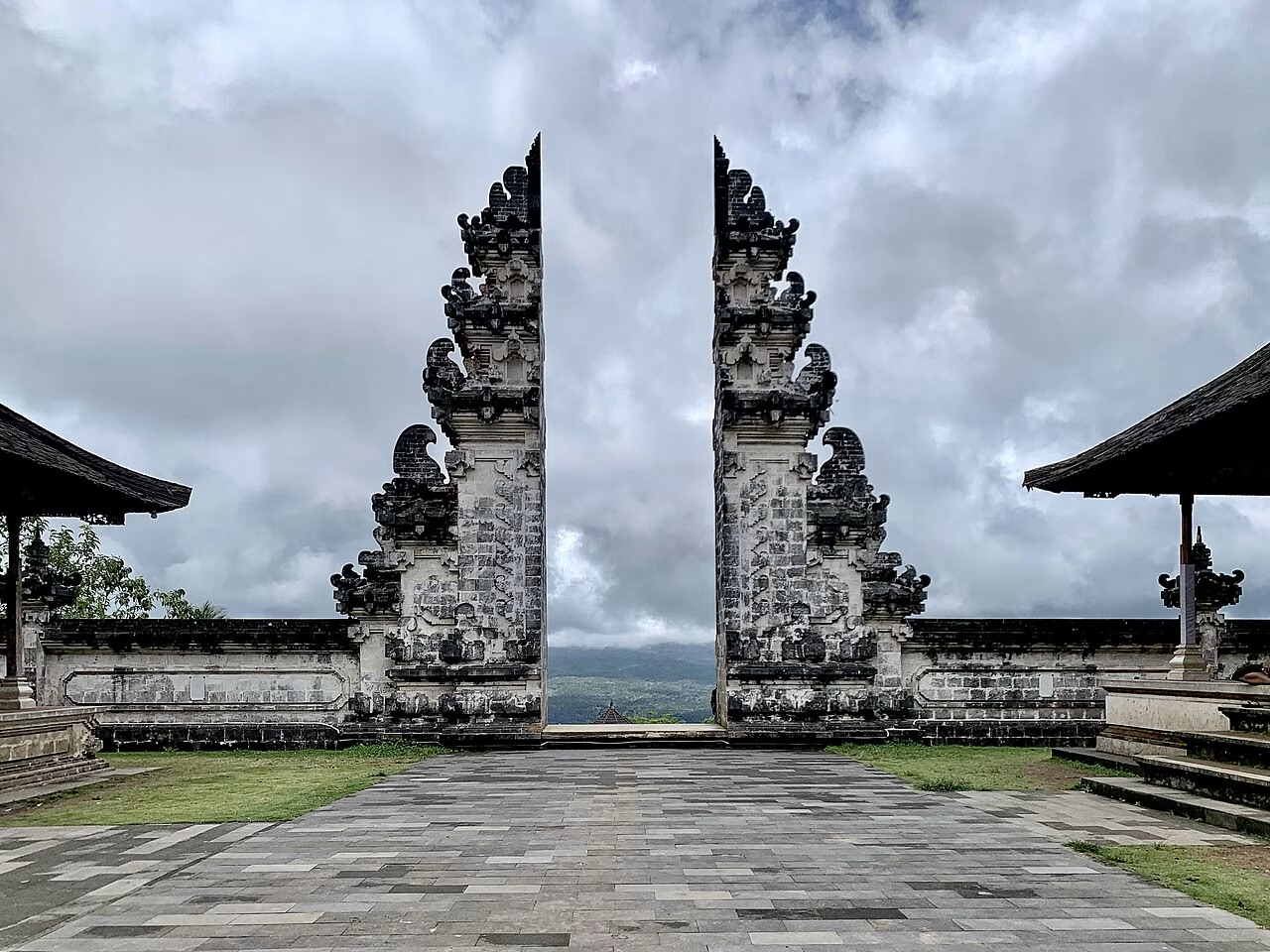
Pura Lempuyang is a sacred Hindu temple complex on Mount Lempuyang in Karangasem, East Bali. The destination is widely associated with the Gates of Heaven, but its meaning goes beyond a single photo spot. For visitors, the journey combines temple etiquette, mountain scenery, forest paths, and a view toward Mount Agung when the weather is clear.
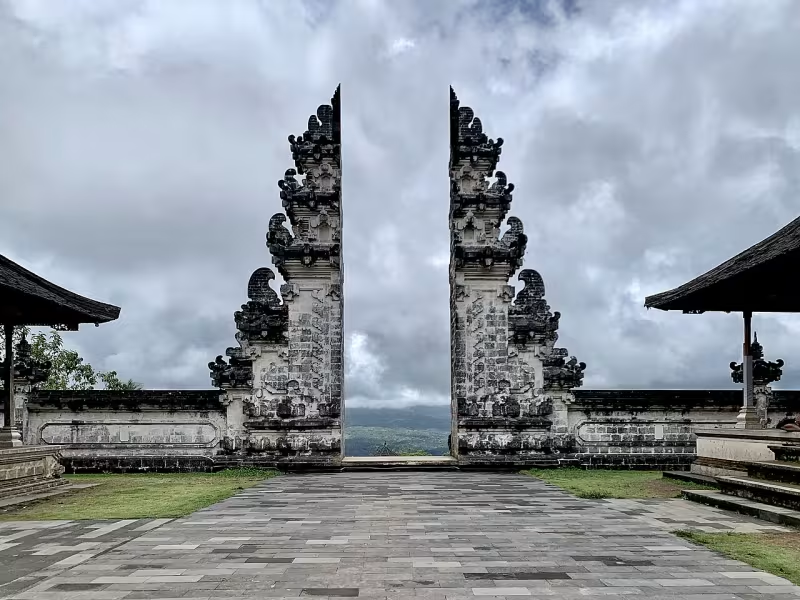
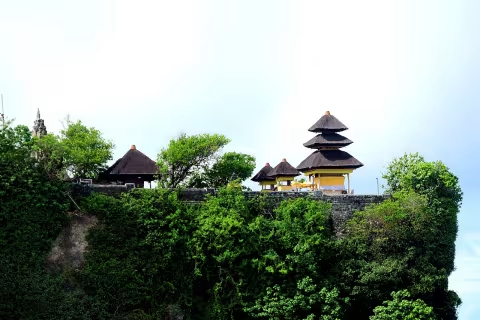
The well-known split gate belongs to the lower temple area commonly visited by travellers, while Pura Lempuyang Luhur is the higher temple reached through a longer pilgrimage route. The complex is regarded as one of Bali's Sad Kahyangan Jagat, six important sacred temple sites. Because it remains an active place of worship, a visit should be approached as a cultural experience rather than only as a sightseeing stop.
What to expect at Pura Lempuyang
The first impression is the contrast between the carved stone gate, the highland air, and the open landscape around Karangasem. On a clear day, Mount Agung can appear behind the gate. Clouds and changing light are normal in the mountain area, so the view is never guaranteed. The famous reflection effect seen in many online photographs is created with a reflective surface and a camera angle; it is not a permanent pool at the gate.
Some visitors stay in the lower complex for the gate and temple atmosphere, while others continue farther as part of a pilgrimage or a more demanding walk. Confirm the current route, transport arrangements, and visitor procedure locally because access practices can change. The site may also be busy at popular times, especially when many travellers arrive for photographs.
Temple etiquette and practical planning
Wear a sarong and respectful clothing that covers the shoulders and knees. Follow staff and temple attendants, stay within areas open to visitors, and do not interrupt ceremonies. Women who are menstruating and anyone in a condition restricted by local temple customs should follow the applicable guidance. Ask before photographing worshippers, offerings, or ritual activity.
Bring water, sun protection, and footwear suitable for steps and uneven paths. Start with enough time for the journey and allow flexibility for traffic, queues, weather, and ceremonies. A local driver or guide can help with the approach road and explain the difference between the photo area and the wider sacred complex. Pairing the visit with other east Bali destinations such as Pura Besakih or Amed can make the long drive more worthwhile, but keep the schedule realistic.
Best time and photography
Early morning is often preferred for cooler conditions and a better chance of seeing Mount Agung before clouds build, although conditions vary by day. Be prepared to wait during busy periods and accept that photography is secondary to the rules of the temple. Use only designated areas, keep the walkway clear, and avoid staging poses that block worshippers or other guests.
Frequently asked questions
Where is Pura Lempuyang?
Pura Lempuyang is in Karangasem Regency in eastern Bali, on the slopes of Mount Lempuyang.
Why is it called the Gates of Heaven?
The nickname refers to the split gate and its dramatic framing of the surrounding mountain landscape, especially Mount Agung in clear conditions.
Is the reflection at the gate a natural pool?
No. The mirror-like effect in famous photographs is produced with a reflective surface and a camera angle rather than a permanent natural pool.
How should visitors dress?
Wear modest clothing covering the shoulders and knees and use a sarong as required by the temple. Follow local instructions at the entrance.
Can everyone enter every part of the complex?
No. Pura Lempuyang is an active sacred site. Access depends on local rules, ceremonies, and the area open to visitors on the day.
What should I bring?
Bring water, sun protection, comfortable footwear, and patience for steps, queues, weather changes, and possible delays on the approach road.
For a broader east Bali itinerary, combine the temple visit with respectful exploration of Karangasem's coast and highlands. Mount Agung and nearby cultural destinations provide useful context for understanding the landscape around Pura Lempuyang.