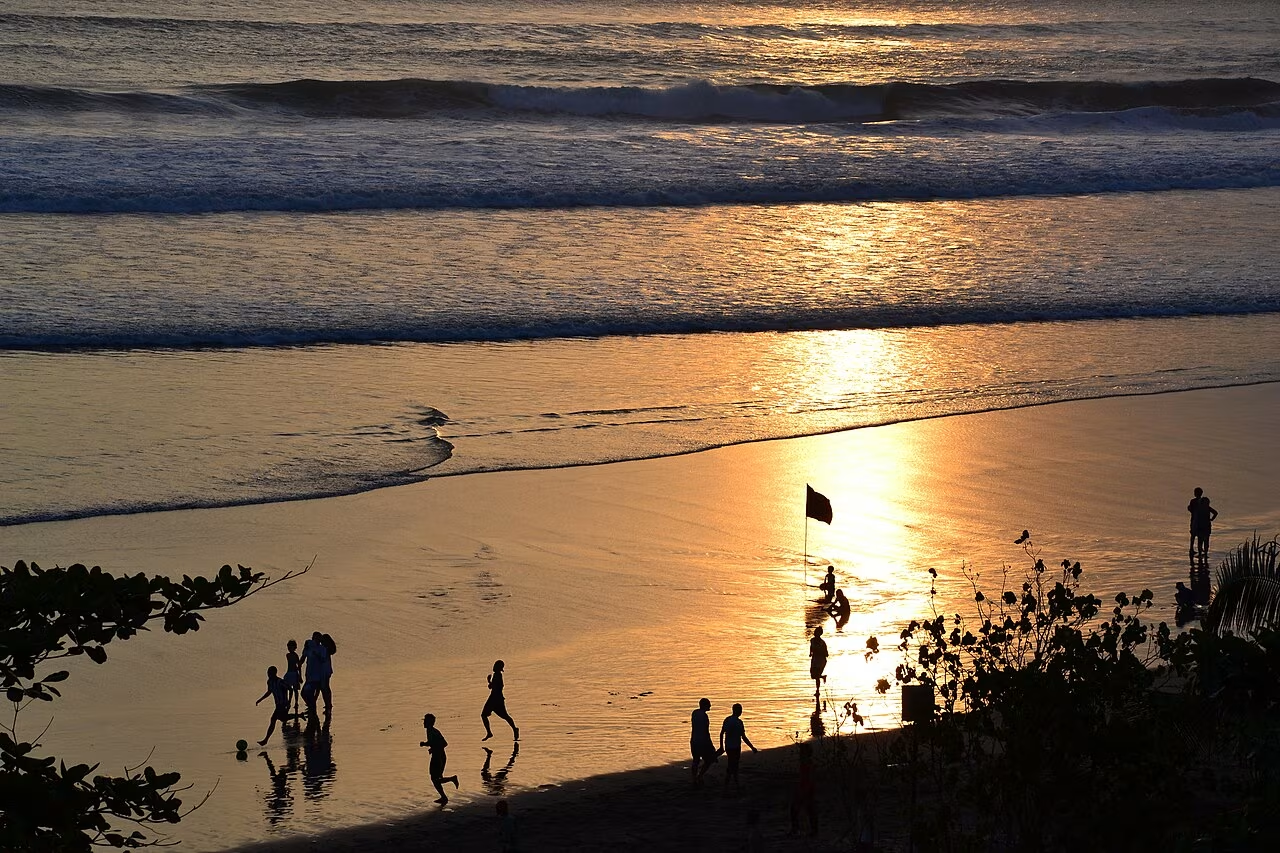
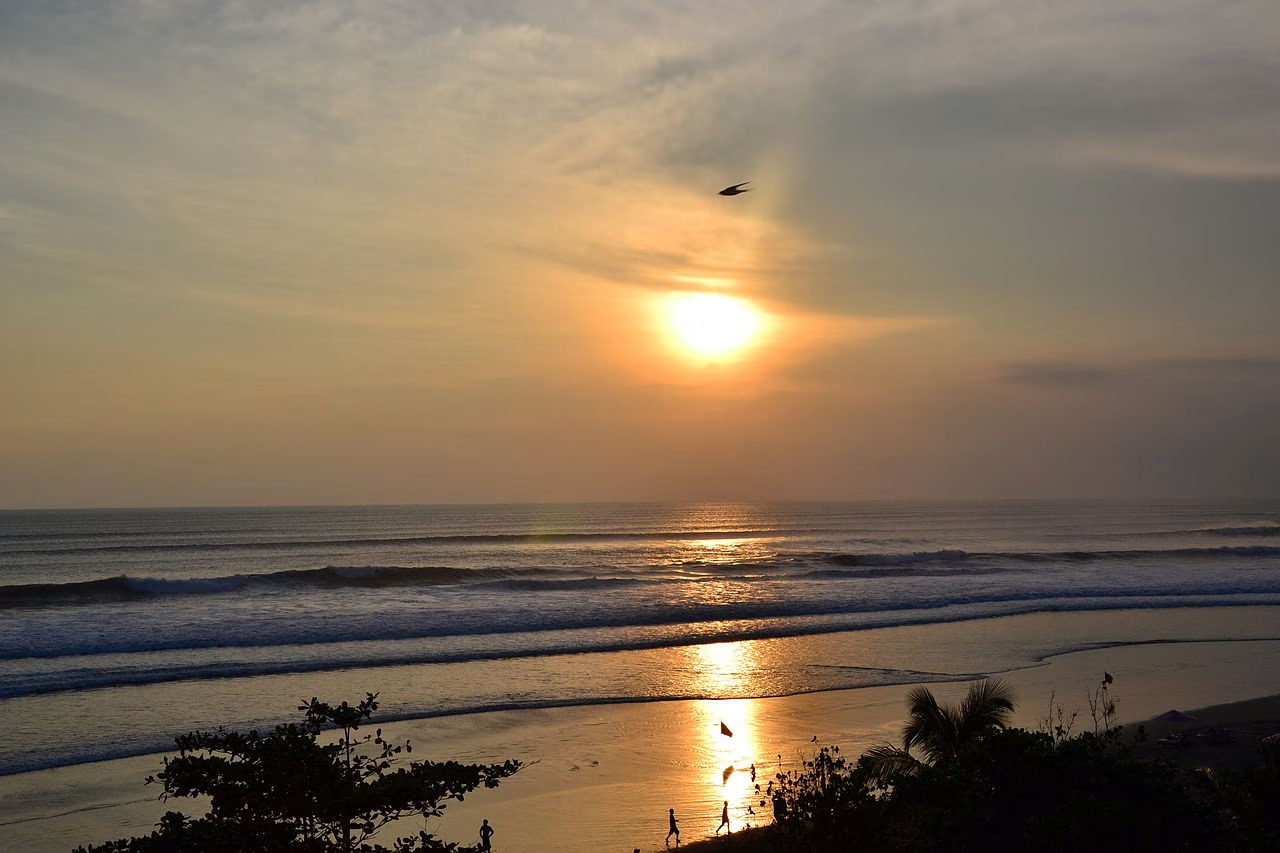
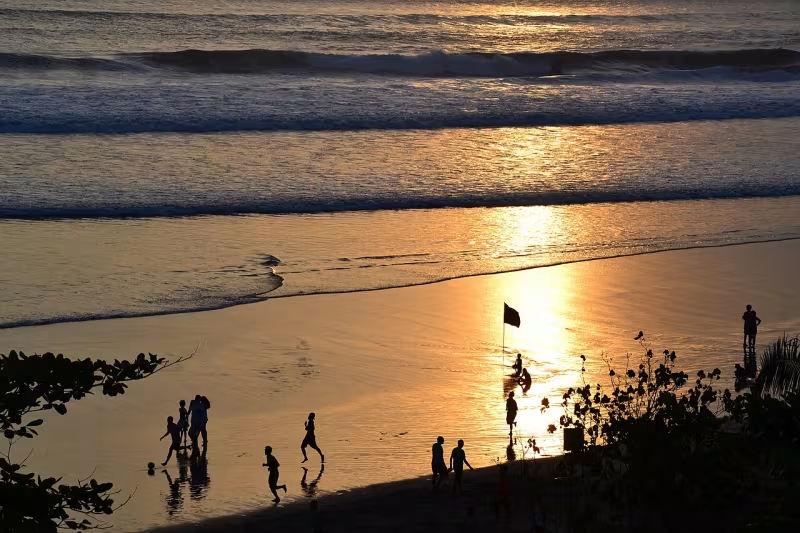
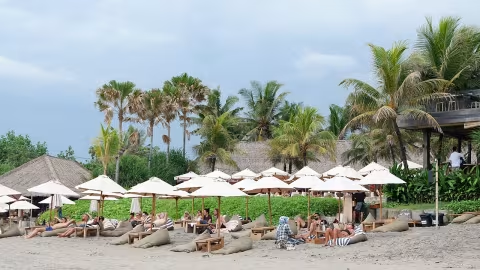
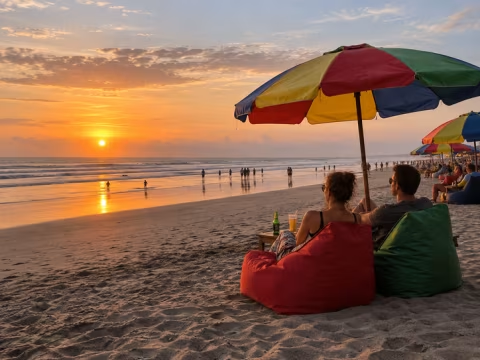
Seminyak Beach is best for a west-coast walk, sunset, surf lessons, and easy access to dining rather than guaranteed calm swimming. It is a long, open Indian Ocean shoreline in Badung Regency, north of Legian and Kuta. Waves, currents, flags, and safe activity zones can change during the day. Choose the access point that matches your plan, arrive early for a quieter walk or before sunset for the evening atmosphere, and follow lifeguard instructions before entering the water.
| Visit goal | Useful area or timing | Main check |
|---|
| Quiet beach walk | Morning, before the afternoon activity builds | Heat, rain, tide, and walking surface |
| Sunset | West-facing shoreline in late afternoon | Weather, cloud, traffic, and return transport |
| Swimming | Only an open area approved on the day | Flags, lifeguards, waves, currents, and ability |
| Beginner surfing | A supervised lesson in suitable conditions | Instructor, equipment, designated zone, and conditions |
| Dining or beach club | The access point nearest the confirmed venue | Reservation, dress rules, minimum spend, and pickup |
What is Seminyak Beach like?
Seminyak is both a beach and a large visitor neighbourhood. The sand connects with the wider west-coast strip, while streets inland contain hotels, villas, cafés, restaurants, shops, spas, galleries, and nightlife. This makes the destination convenient, but it also means that “Seminyak Beach” is not one precise entrance. A driver using a generic map result may stop far from your hotel or venue.
Browse the Bali beaches and coastline collection when comparing Seminyak with quieter coves, family-oriented shores, or more exposed surf beaches elsewhere on the island.
The official Indonesia Travel Seminyak overview describes the area as a coastal hub north of Legian and Kuta. Its separate Seminyak Beach page highlights surf, sunset, and nearby hospitality. These are useful for orientation, while signs, lifeguards, local officials, and operators remain the authority for conditions on the day.
Choose the right beach access point
Start with what you intend to do. If you have a restaurant, hotel, lesson, or beach-club booking, use its exact map pin and entrance. If you only want the shoreline, ask your accommodation which public access is currently practical. Construction, ceremonies, traffic management, parking, and temporary beach work can affect the final approach.
Double Six Beach provides a useful comparison toward the Legian side. Pura Petitenget gives cultural context farther north, while Seminyak Village and Oberoi Street cover the inland shopping and dining area. Treat them as separate stops instead of assuming everything is beside the same entrance.
Can you swim at Seminyak Beach?
You can only make that decision from current, local safety information. Seminyak faces the open Indian Ocean, so waves and currents can be stronger than they appear from shore. A calm-looking gap is not proof of safe water. Check warning flags and signs, speak to a lifeguard where available, and stay out when an area is closed or conditions exceed your ability.
- Swim only in an area indicated as open and appropriate.
- Keep children within direct reach near the water.
- Do not use an inflatable toy as safety equipment.
- Do not enter after drinking alcohol or when visibility is poor.
- If caught in difficulty, signal for help and follow trained rescue instructions.
Before leaving, review the BMKG forecast for waters south of Bali. It reports wind, waves, currents, and warnings for the wider marine area. It cannot identify a safe swimming patch at a particular moment, so combine it with beach-level instructions. The broader Bali safety guide covers traffic, weather, water, health, and emergency planning.
Surfing and lessons
Seminyak can have surfable waves, but suitability varies by tide, swell, wind, season, and exact position. A first lesson should include an instructor, a board suited to the learner, a leash, a defined practice area, and an explanation of how to fall and protect the head. Ask how the school changes or cancels a session when conditions are unsuitable.
Experienced surfers should still observe the break, entry, other water users, and local directions before paddling out. Do not cross a swimming zone or assume yesterday's conditions apply today. If the beach is unsuitable, postpone the session rather than moving into an unmonitored area.
When to visit
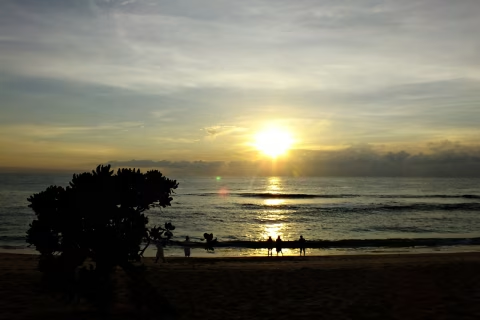
Morning often suits walking, photography, and a less crowded shoreline. Shade on the open beach is limited, so carry drinking water and sun protection. Late afternoon is popular for sunset, with more demand for tables, parking, taxis, and ride-hailing pickups. Sunset is a weather-dependent view, not a guaranteed event.
Use BMKG Region III forecasts for Bali weather and the marine forecast for sea conditions. During lightning, strong wind, heavy rain, a high-wave warning, or instructions to leave the shoreline, move to a suitable safe place. Do not shelter under an isolated beach structure simply because it is close.
Getting there and leaving after sunset
Seminyak can be reached by taxi, ride-hailing service where pickup is permitted, private driver, hotel transport, motorbike, or on foot from nearby accommodation. Journey time changes with congestion, rain, roadworks, events, and the final access lane. Avoid planning a tight airport connection from a generic map estimate.
Send the exact entrance or business pin to the driver. Confirm whether the pickup point after sunset is the same place, because traffic controls or venue rules may differ. Parking can be limited near popular areas. Use designated spaces and never block homes, temple gates, emergency access, footpaths, or business entrances. For a multi-stop day, the private-driver selection guide explains vehicle, route, quote, and safety checks.
What to bring
- Water, sun protection, and footwear suitable for hot or wet sand.
- A small dry pouch for a phone, but not as a substitute for secure storage.
- A change of clothes if a venue has a dress requirement.
- Any personal medication and a simple offline meeting plan.
- A reusable bag for rubbish and wet items.
Keep valuables out of sight and do not leave them unattended while swimming. Public toilets, showers, shade, loungers, and storage vary by access point and business. Confirm what a venue provides rather than treating private facilities as part of general beach access.
Food, beach clubs, and sunset seating
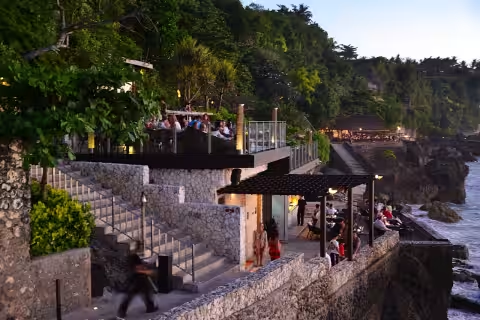
A beach walk does not require a club booking. Restaurants, bars, and beach clubs are private businesses with their own reservations, age policies, dress standards, security checks, seating limits, minimum spending, and cancellation terms. Ask for current conditions directly before paying. A beachfront venue may also use an entrance away from the sand.
For neighbourhood choices, the Bali food and café guide helps groups compare dietary needs, distance, reservations, and transport. Keep the visit compact: repeated vehicle trips between Seminyak and Canggu Beach can add avoidable road time.
Nearby places and practical combinations
A practical half day can pair a morning or late-afternoon beach visit with Seminyak's inland streets. Petitenget can add temple context when visitor access is permitted, but it is an active sacred place and not an entertainment stop. Dress modestly, follow attendants, and do not interrupt worship or ceremonies.
For a broader coast comparison, Kuta Beach lies farther south and Canggu lies north. Choose one area according to accommodation and priorities instead of collecting similar beaches in traffic. The where-to-stay guide explains how Seminyak compares with other first-visit bases.
Accessibility and family planning
Access varies. A route may include uneven paving, sand, steps, traffic, or a narrow lane, and sand itself is a barrier for many mobility devices. Ask a hotel or venue about the exact route from vehicle drop-off to seating, toilets, and the shoreline. A photograph of a flat entrance does not confirm the whole journey.
Families should identify shade, toilets, food, safe play space, and a clear meeting point before settling in. Ocean supervision must be direct and continuous. If swimming is unsuitable, walking, sand play away from the waterline, or an early meal can still make the visit worthwhile.
Responsible beach behaviour
Take rubbish away or use the correct bins. Refuse unnecessary single-use items, keep noise reasonable, and do not leave cigarette waste or food packaging in the sand. Do not remove coral, shells, plants, or ceremonial materials. Ask before photographing vendors, workers, worshippers, or other visitors.
The shoreline is shared by residents, workers, ceremonies, businesses, and visitors. Follow temporary boundaries and local directions. Never treat a ceremony, rescue, cleanup, or wildlife event as a backdrop that gives you permission to enter a restricted area.
Frequently asked questions
What is Seminyak Beach known for?
It is known for a west-facing shoreline, sunset, surf, beachfront hospitality, and proximity to Seminyak's restaurants, shops, hotels, and nightlife.
Can you swim at Seminyak Beach?
Only when current flags, signs, lifeguard guidance, waves, currents, and your ability indicate that it is suitable. Swimming conditions are not guaranteed.
Is Seminyak Beach free?
General shoreline access and charges can vary by access point. Parking, equipment, lessons, food, seating, and private venues may charge separately, so check current terms locally.
What time is best for Seminyak Beach?
Morning is often better for a quieter walk. Late afternoon is popular for sunset but brings more traffic and demand for seating and transport.
Which Seminyak Beach entrance should I use?
Use the entrance nearest your confirmed hotel, restaurant, lesson, or venue. For a general visit, ask your accommodation for a current public access point and share its exact map pin.
Official references