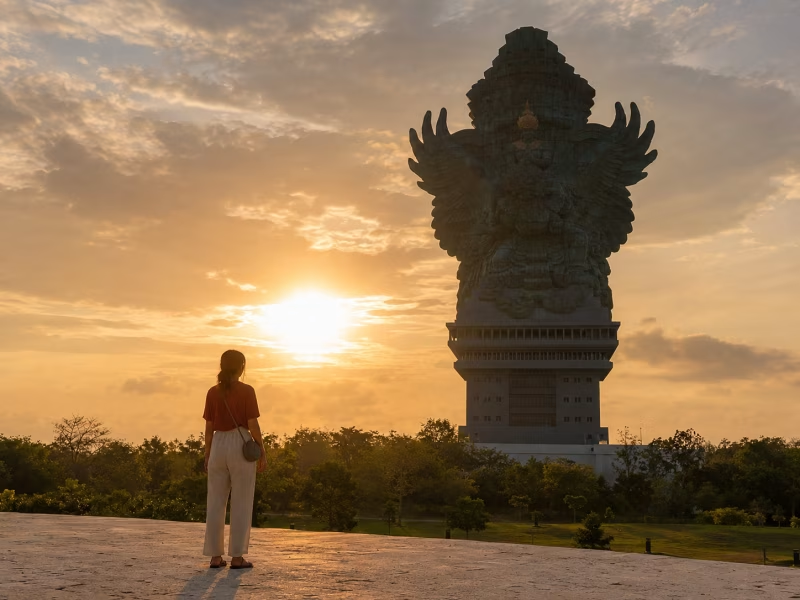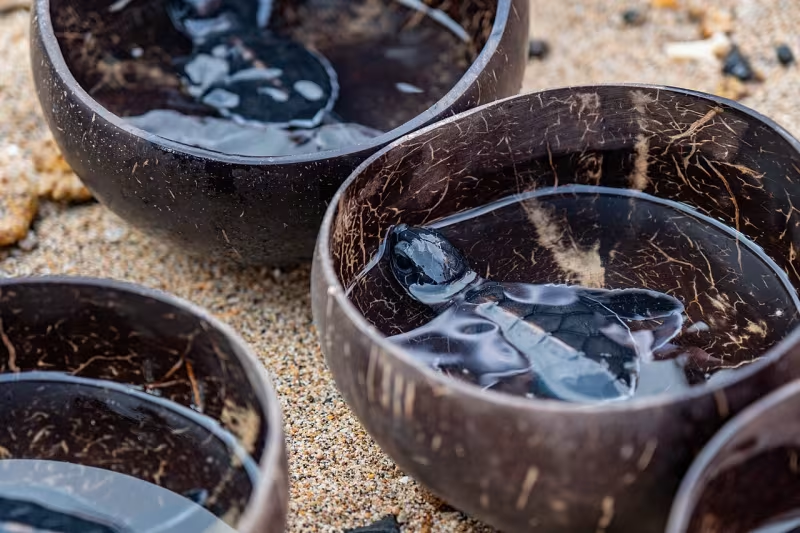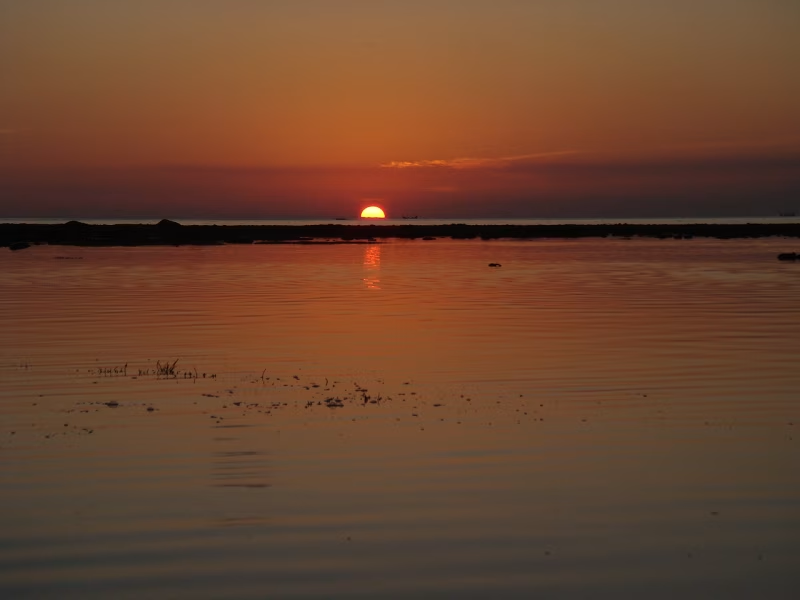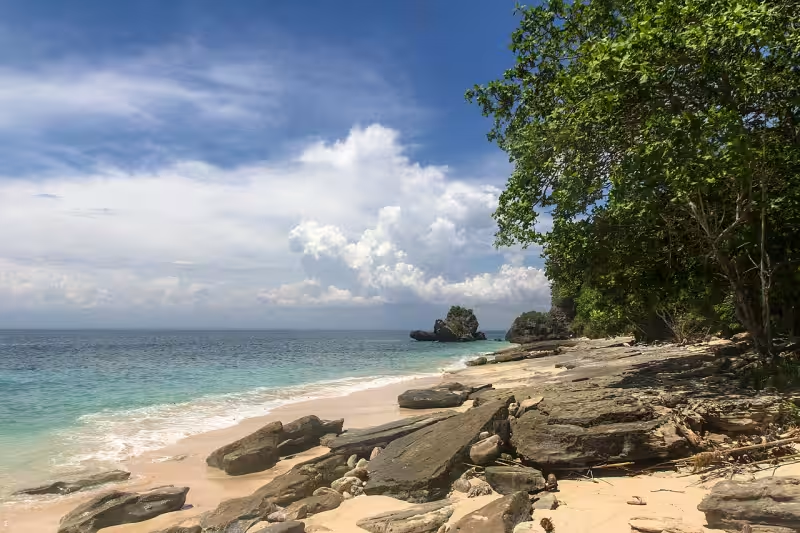
Beaches & Coastline Bali
13 destinations
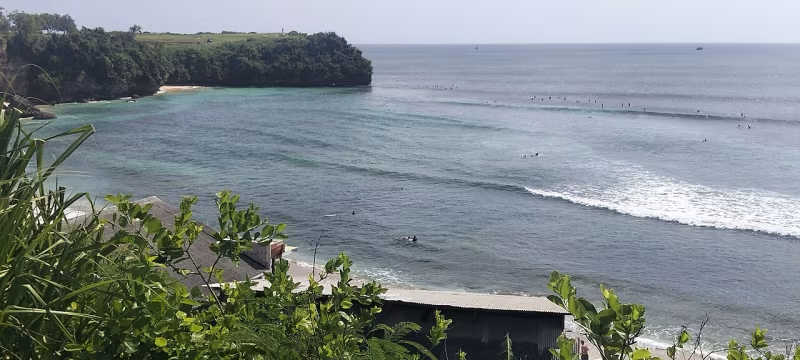
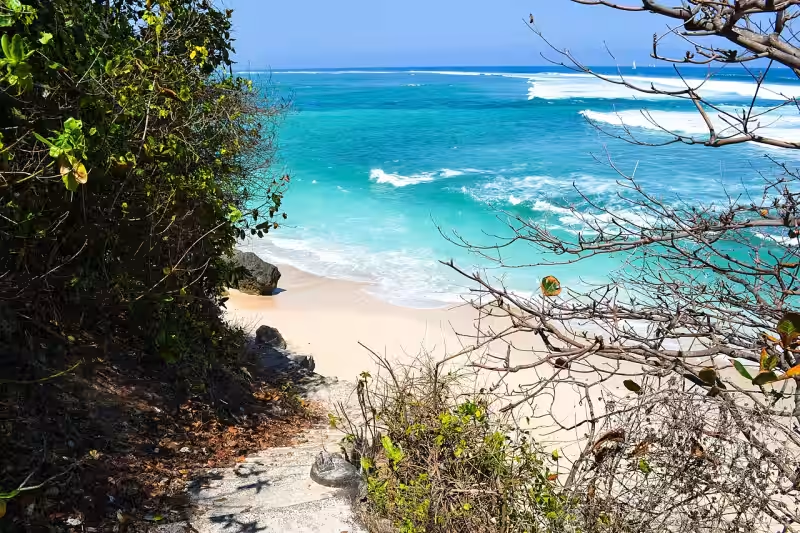
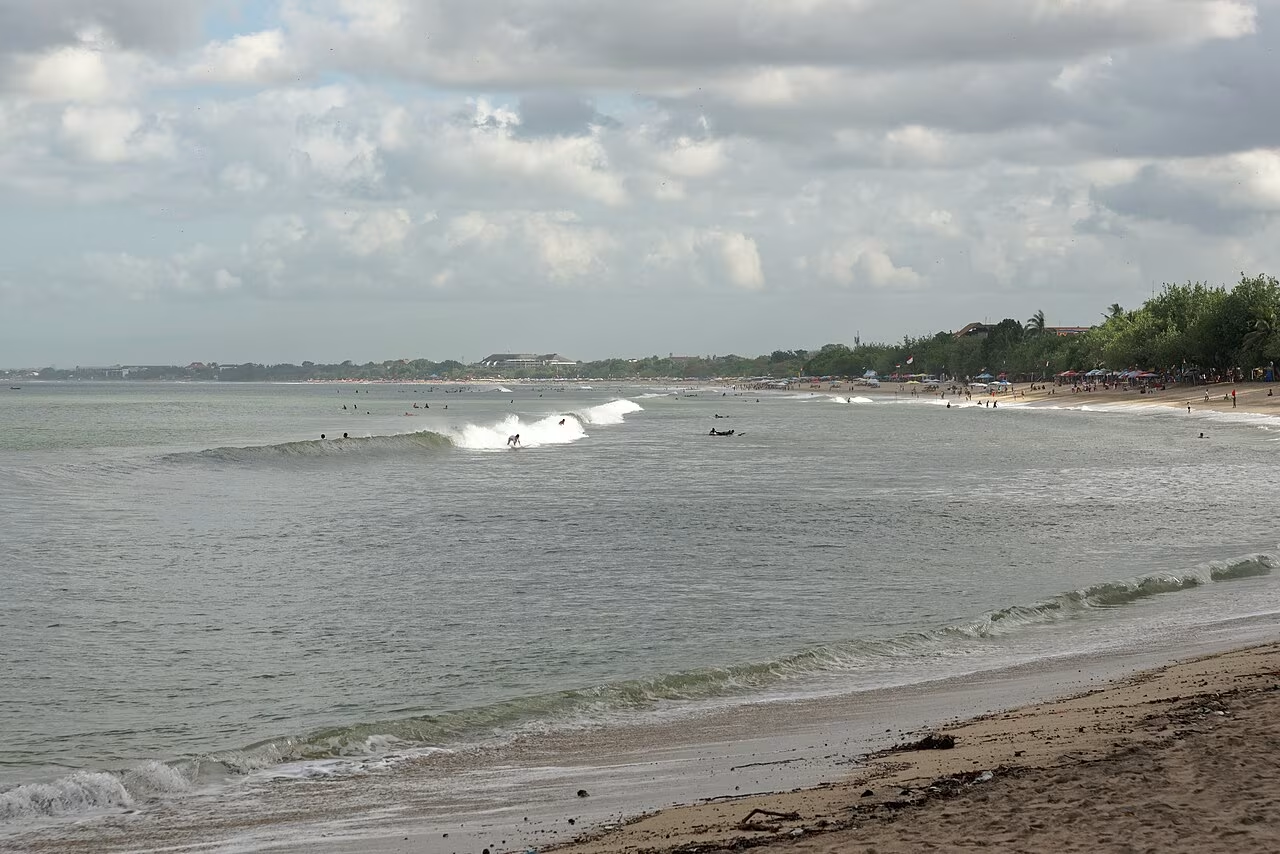
From Kuta's golden sands to Uluwatu's dramatic limestone cliffs — Bali's coastline spans over 100km of diverse beach experiences. Whether you seek surf, sunsets, or seclusion, Bali's beaches & coastline deliver unforgettable moments by the sea.
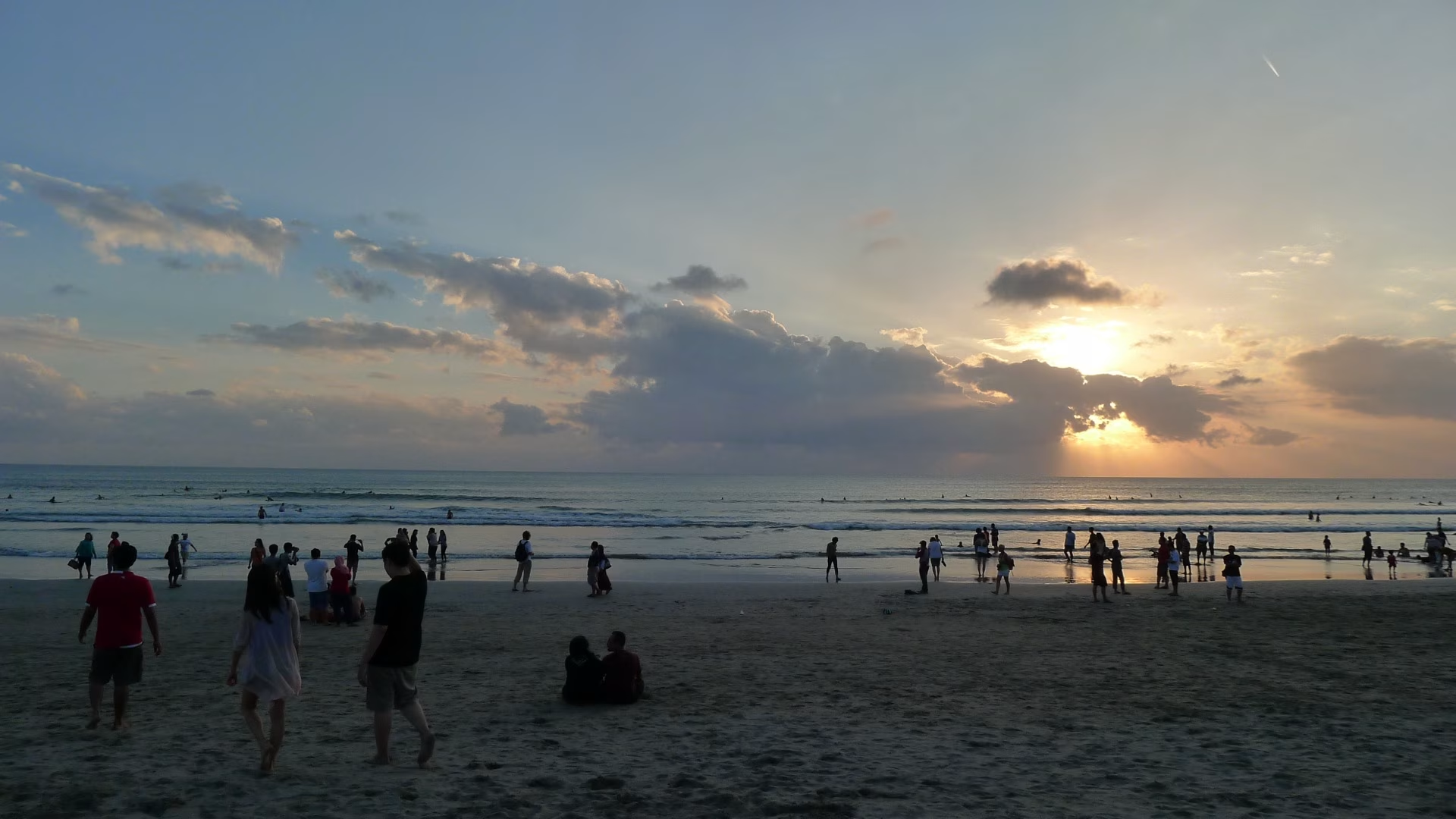
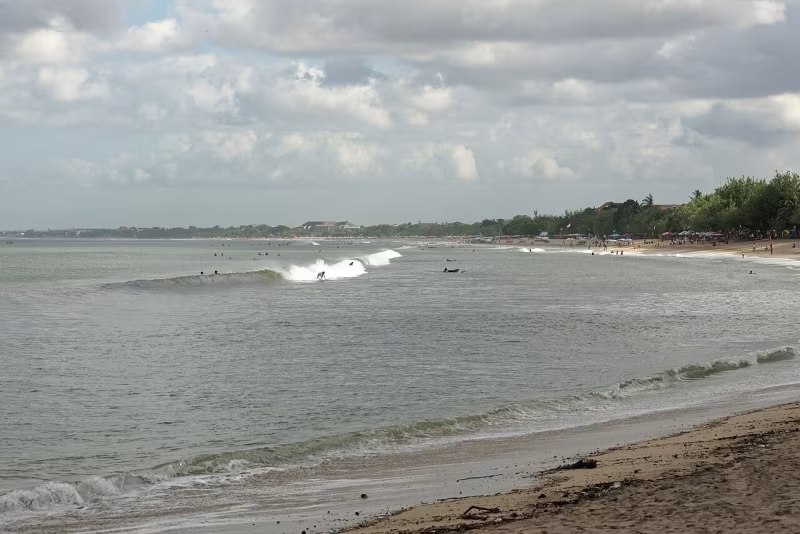
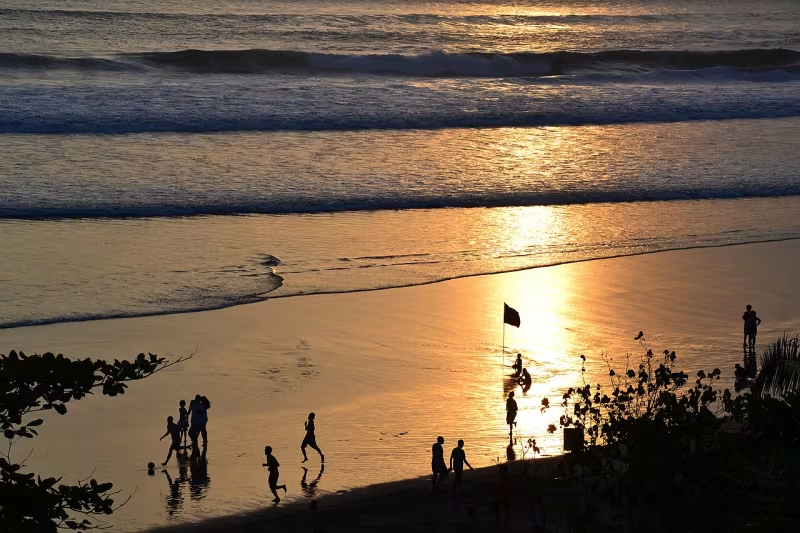
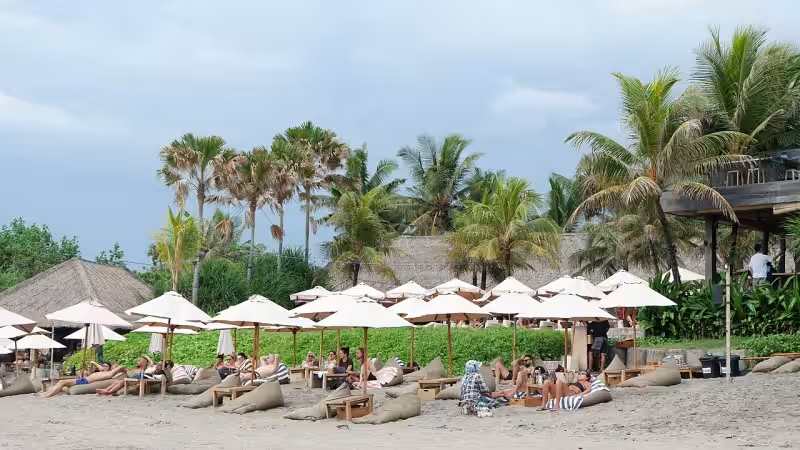
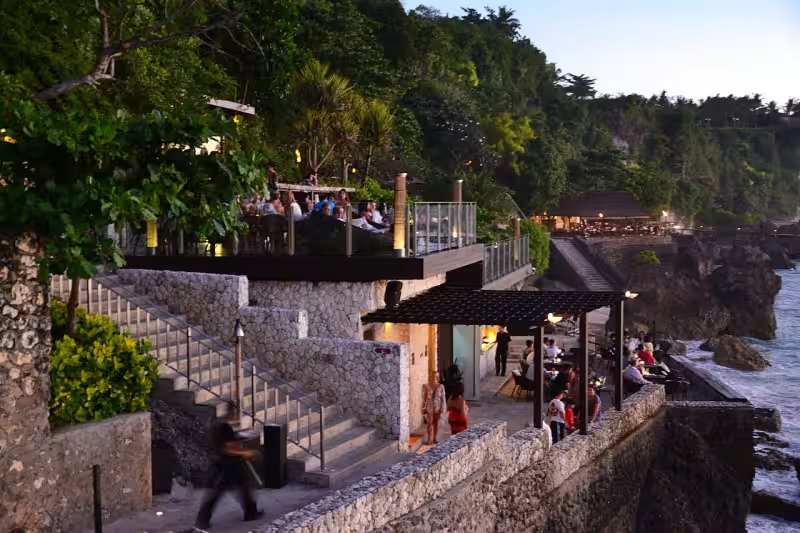
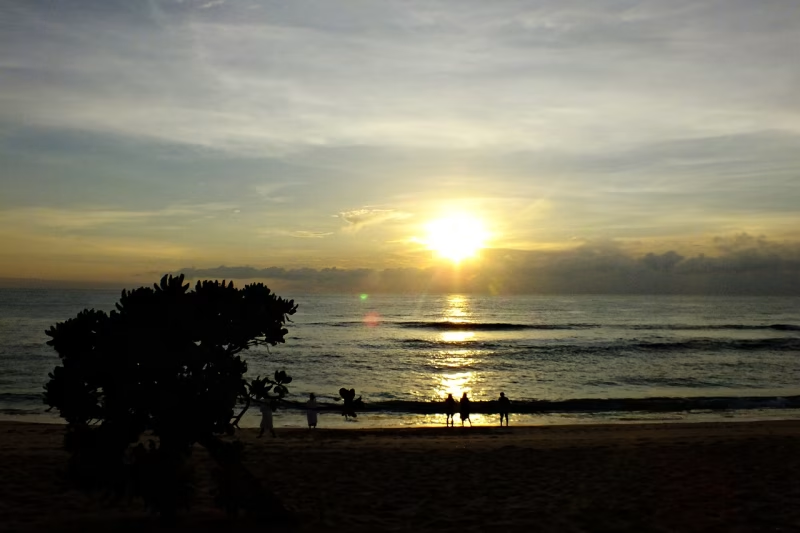
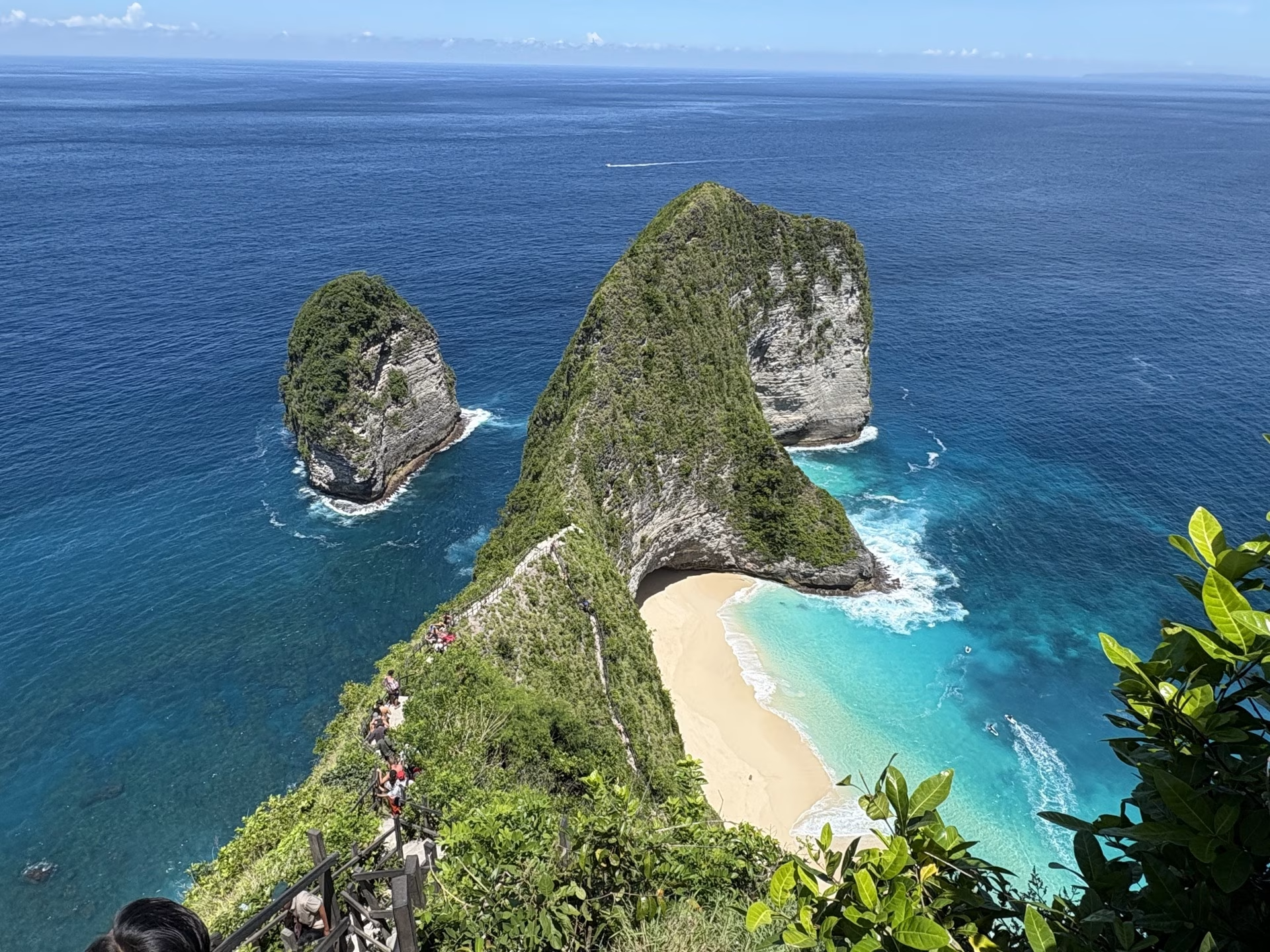
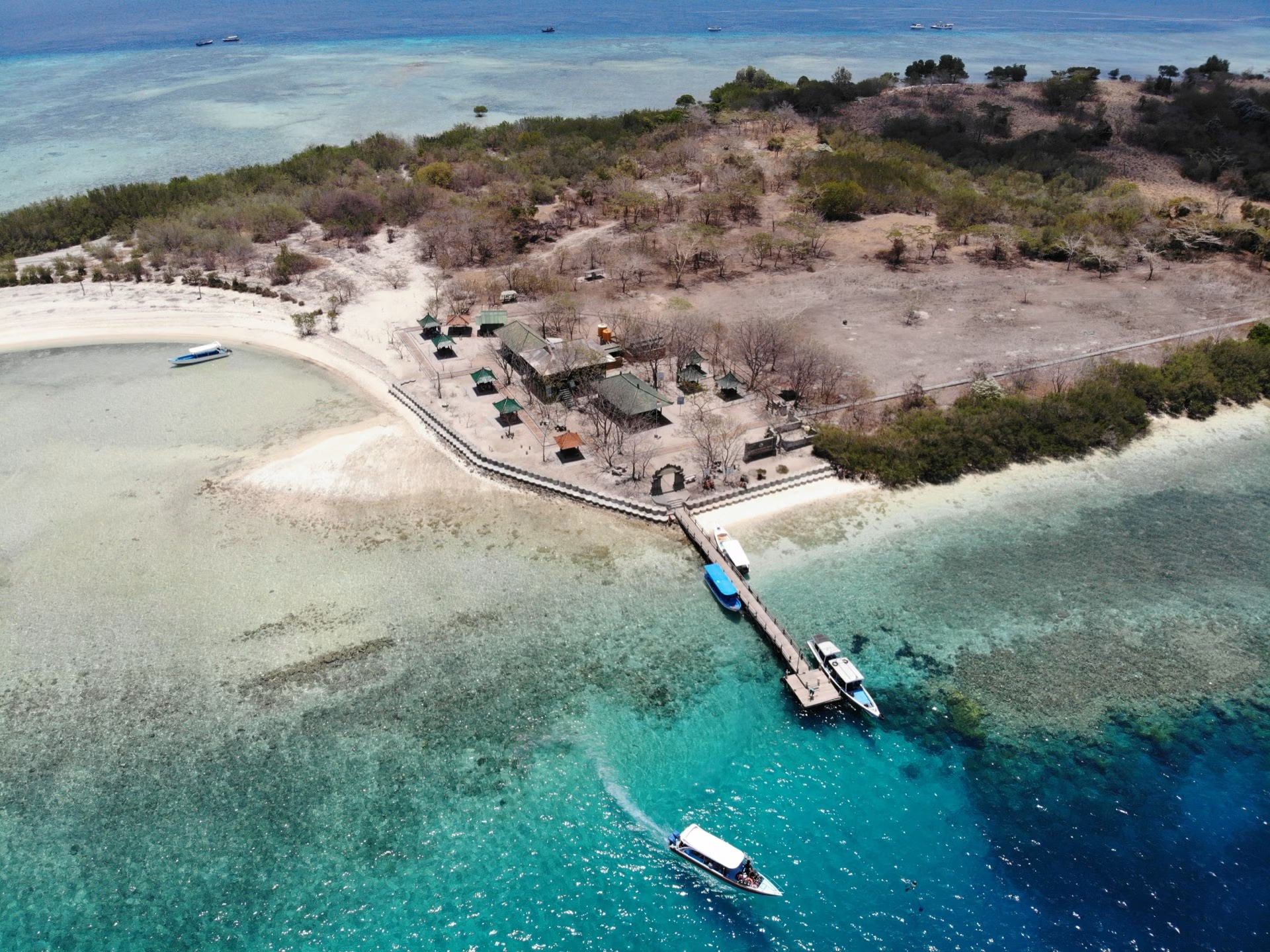
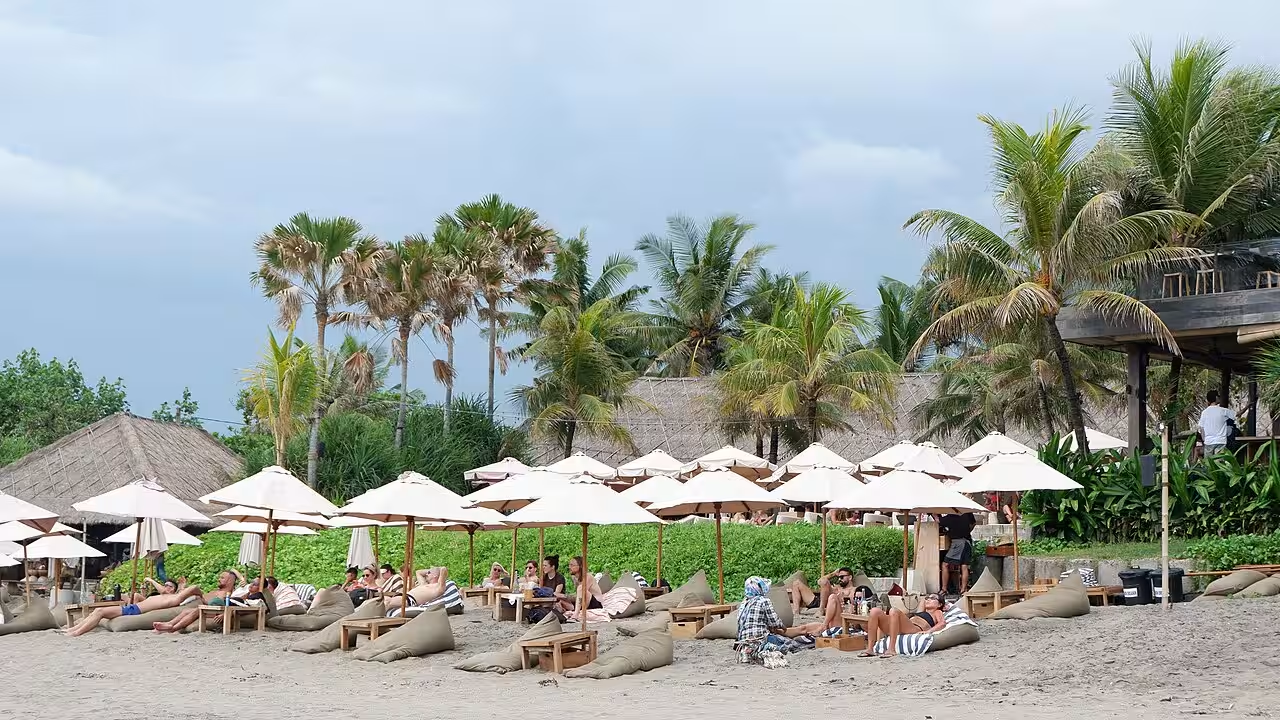
<h3>Bali's Coastline by Region</h3><p>The coastline changes character by region: the south (Kuta, Seminyak, Canggu) has wide white-sand beaches and beach clubs; the Bukit Peninsula (Uluwatu, Padang Padang, Bingin) is defined by cliffside coves and reef surf breaks; Nusa Dua and Sanur offer calmer, reef-protected water suited to families; and the east and north coasts (Amed, Lovina) have quieter black volcanic-sand beaches popular for diving and snorkeling. Nusa Penida's clifftop viewpoints — Kelingking, Diamond Beach, Angel's Billabong — are a separate island reached by boat, and are viewed more often than swum at.</p><h3>Sand, Water, and Geology</h3><p>The sand itself tells a geological story: white sand in the south and on Nusa Penida comes from coral and shell fragments, while the black sand found from Lovina in the north around to Amed and Candidasa in the east is volcanic, eroded from Bali's andesitic peaks over thousands of years. That difference also affects water temperature and visibility — black-sand beaches tend to sit near deeper drop-offs favoured by divers and snorkellers, while the shallow reef flats fronting many white-sand beaches make for calmer, clearer swimming close to shore.</p><h3>Surf Conditions and Seasons</h3><p>Surf conditions follow the same geography. The Bukit Peninsula and the beaches around Canggu face the open Indian Ocean and pick up a reliable dry-season swell from roughly April to October, which is why the international surf scene concentrates there. Nusa Dua, Sanur, and Jimbaran sit in the lee of reefs or face calmer water, so they draw families and swimmers instead. None of this is fixed forever — swell size, wind direction, and tide all change daily, so a beach that's glassy at dawn can be blown out and choppy by early afternoon.</p><h3>Development Along the Coast</h3><p>Development has followed the coastline unevenly. Kuta, Seminyak, and Canggu have grown into dense strips of hotels, beach clubs, and restaurants, while stretches of the east coast and much of Nusa Penida remain comparatively undeveloped, with fewer facilities and a slower pace. That contrast is part of the appeal for travellers who want both: a lively beach day in the south and a quieter, more scenic one further afield.</p><h3>Tips for Visiting Bali's Beaches</h3><p>A few practical tips before you go: the dry season (roughly April to October) gives the calmest seas and clearest water for snorkelling and diving, while the same months bring the most reliable surf swell on the Bukit Peninsula. Bring reef-safe sandals for rocky entries at cliff beaches like Bingin, Padang Padang, or Green Bowl, where steep stairs lead down to the sand, and always check the tide time before descending — some coves are barely swimmable or hard to exit at high tide.</p><h3>Where to Go First</h3><p>For a first visit, Padang Padang Beach and Bingin Beach pair well for the classic Bukit cliff-and-cove experience, while Nusa Dua Beach or Sanur Beach suit travellers who want calmer, reef-protected water. If you only have one day for Nusa Penida, Kelingking Beach, Broken Beach, and Angel's Billabong sit close enough together to combine in one loop from the Toyapakeh or Banjar Nyuh harbour. Divers and snorkellers get more from Amed, the USAT Liberty Wreck at Tulamben, or Menjangan Island than from the busier south-coast beaches.</p>
Bali Temples & Spiritual Sites
2 destinations
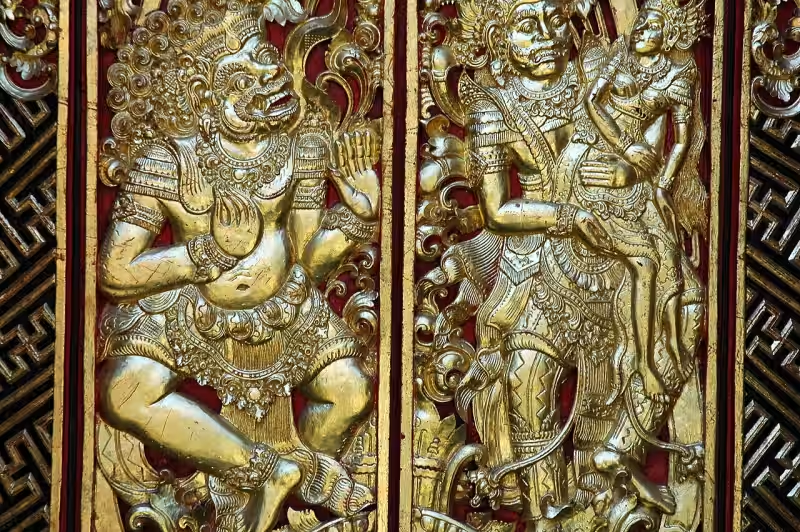
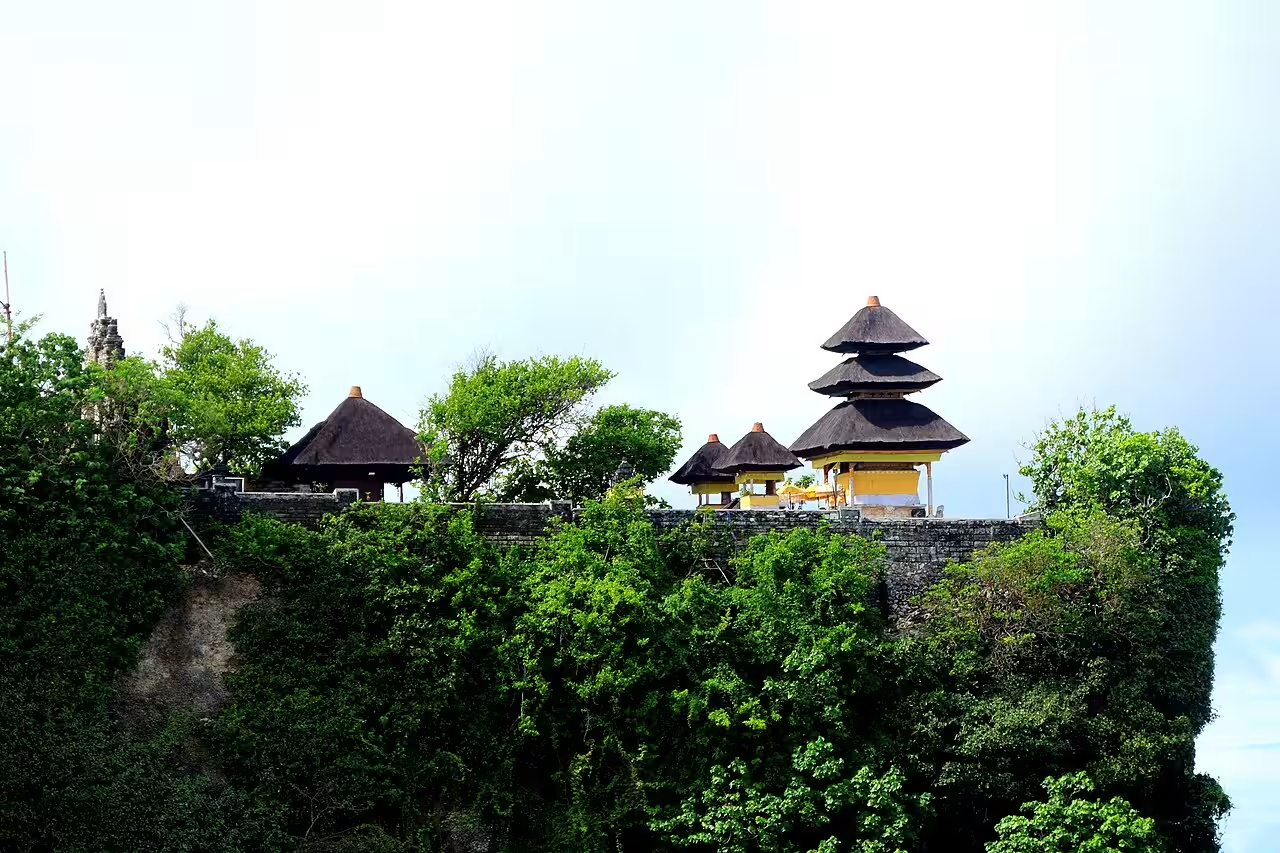
Bali is an island of more than 20,000 temples — from cliffside sea temples to mountain shrines draped in morning mist. Each Bali temple tells a story of devotion, art, and ancient Hindu Balinese culture passed down through generations.
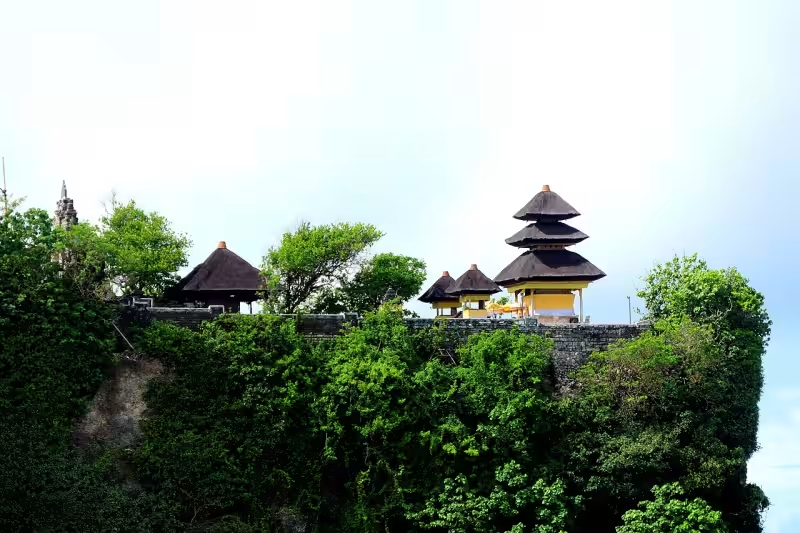
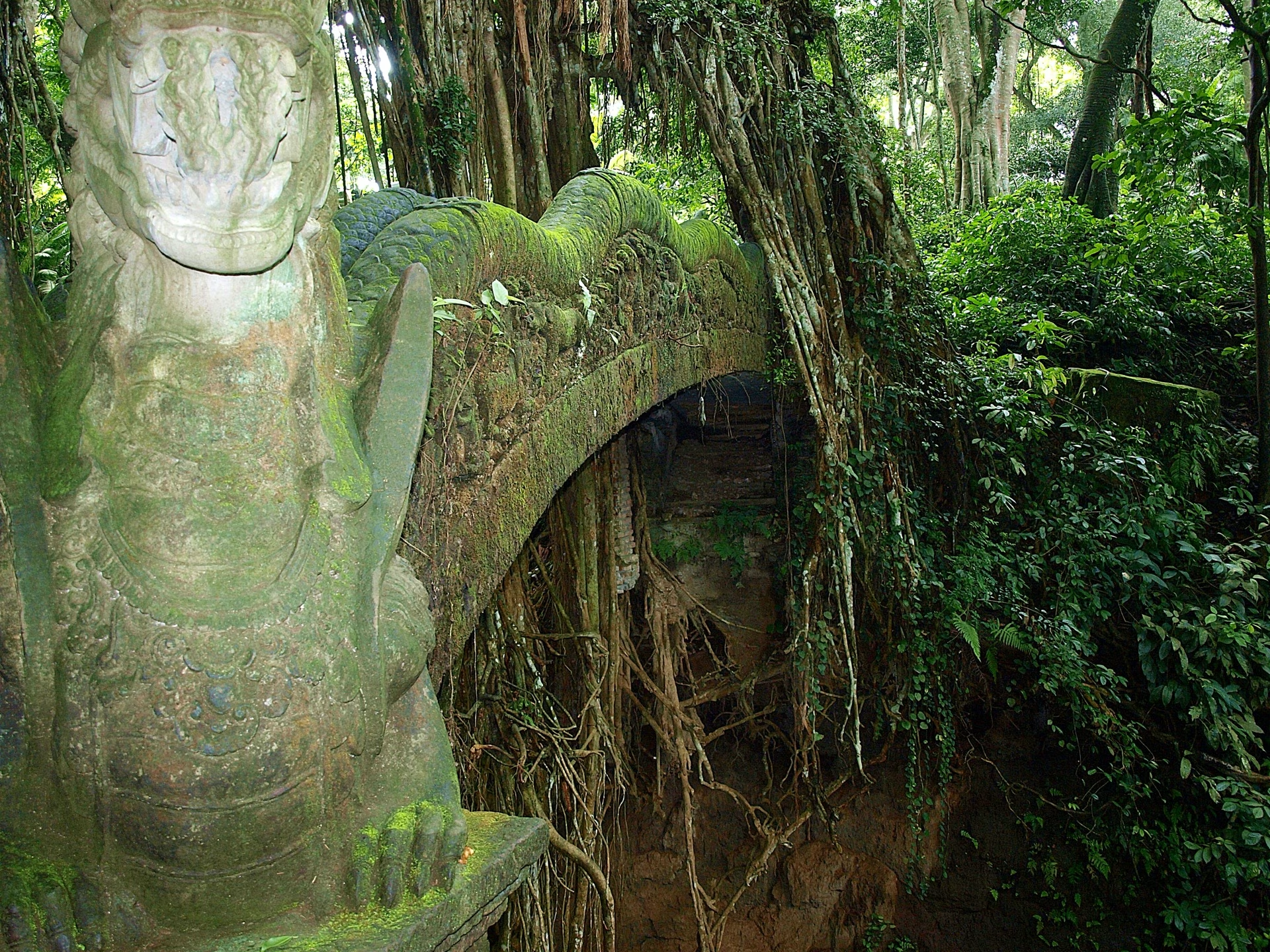
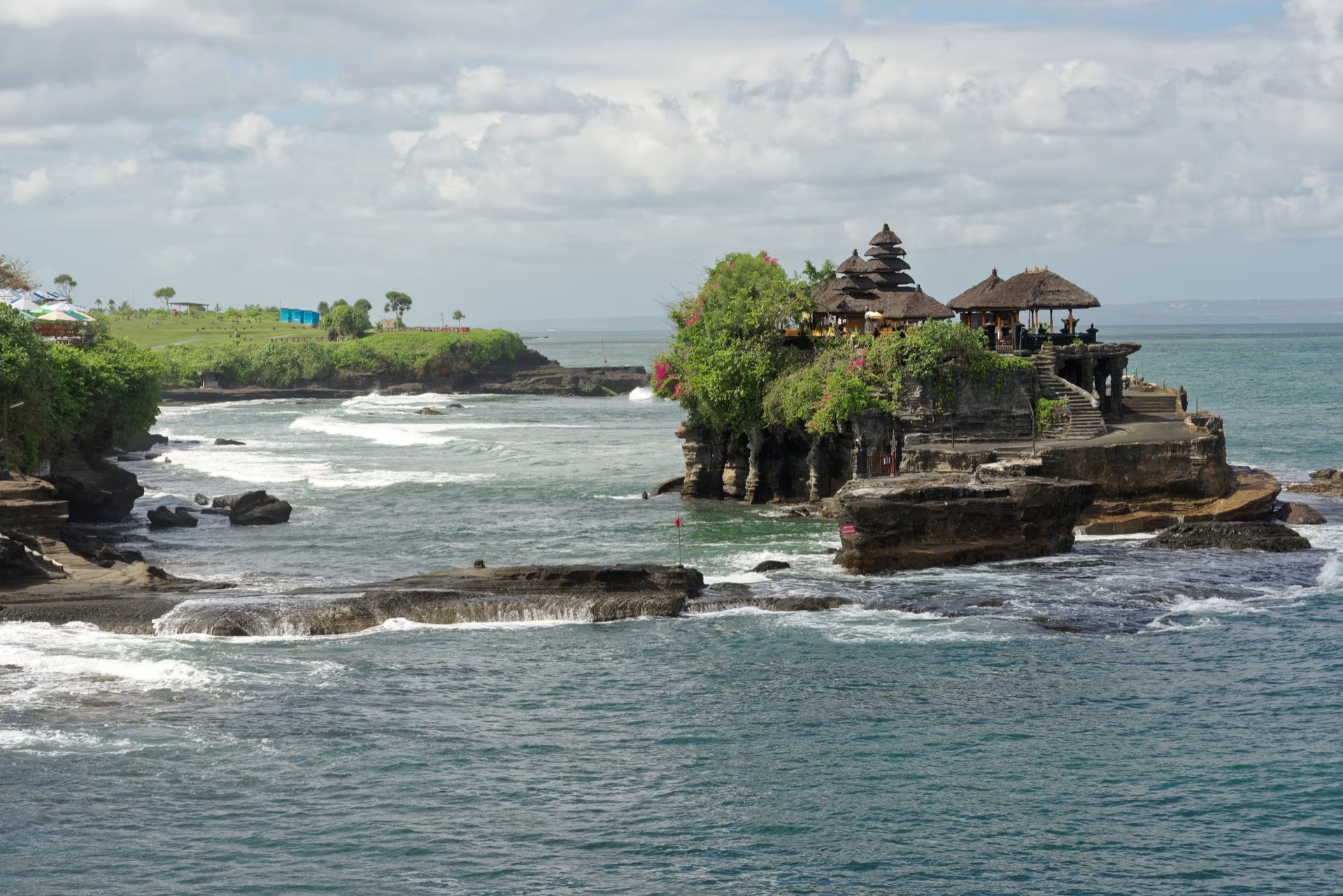
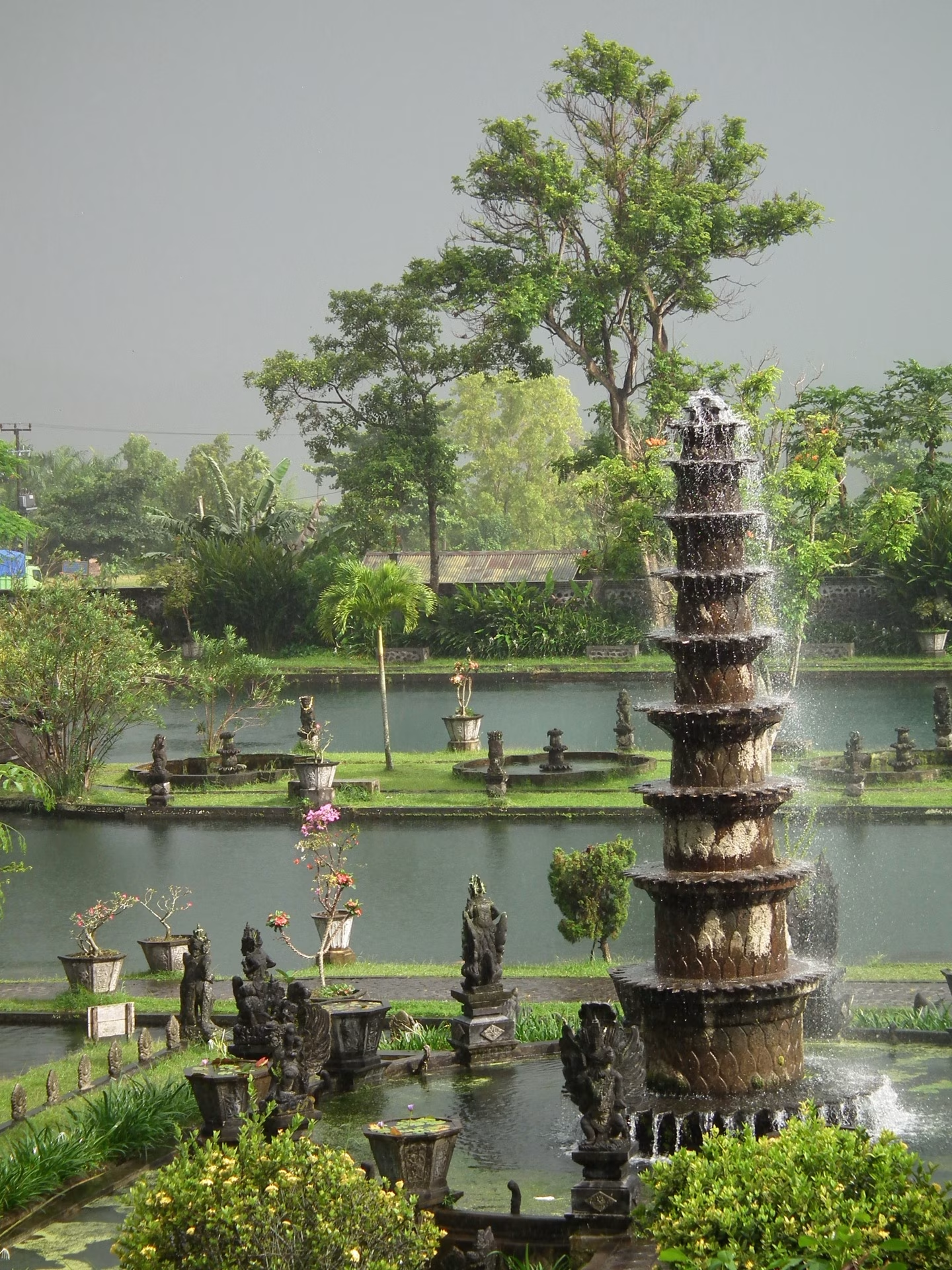
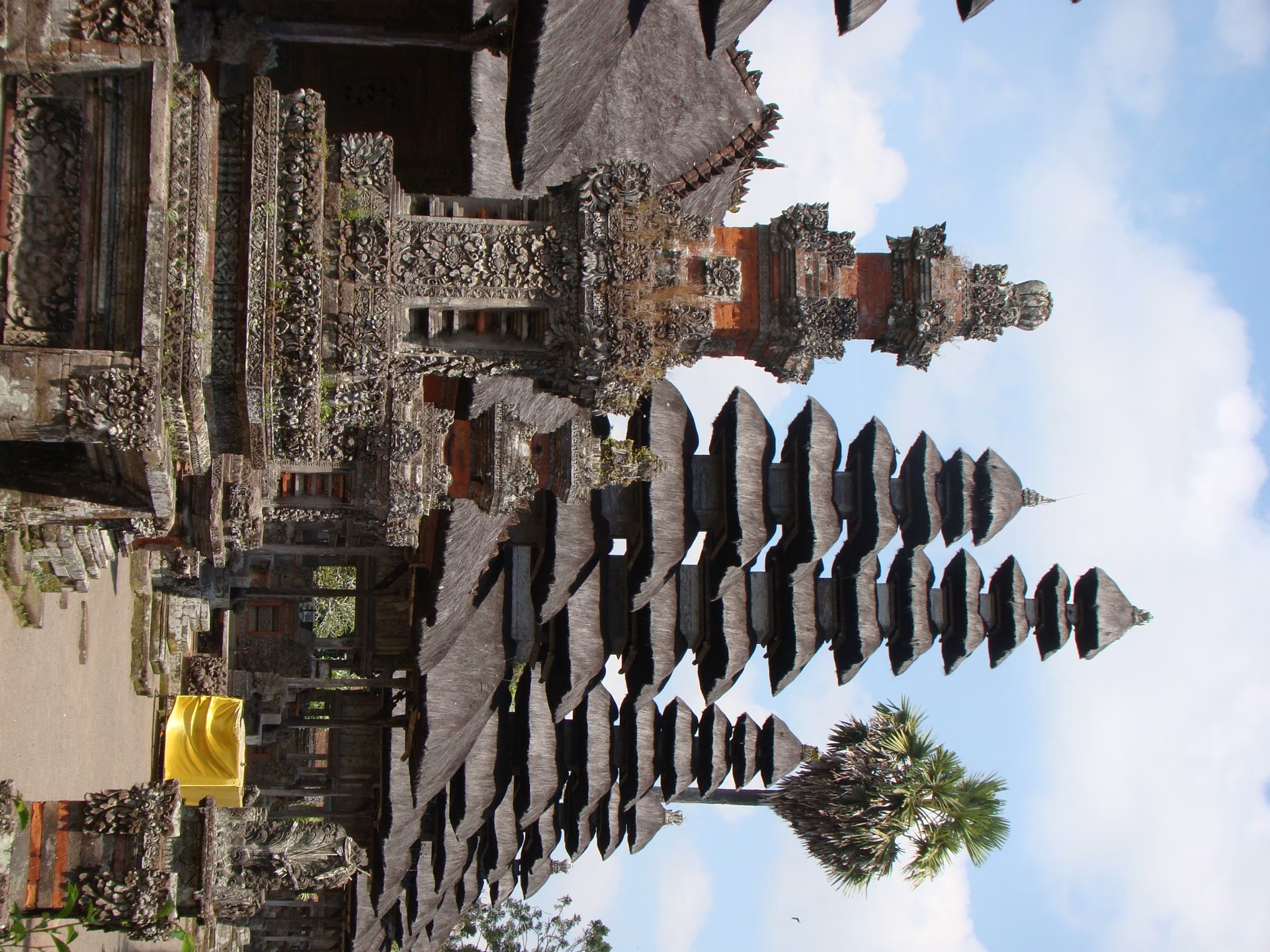
<h3>Types of Balinese Temples</h3><p>Temples on Bali fall into recognisable types: sea temples built on coastal outcrops (Tanah Lot, Uluwatu), water temples centred on natural springs used for purification rituals (Tirta Empul, Ulun Danu Beratan), and the island's spiritual centre, Pura Besakih, positioned on the slopes of sacred Mount Agung. Most active temples require visitors to wear a sarong and sash, provided free or for rent at the entrance, and some restrict entry during a woman's menstruation out of respect for local custom.</p><h3>Temple Architecture and Ritual Calendar</h3><p>Balinese temple architecture follows a consistent underlying logic even though individual temples look very different. Most are arranged as a series of courtyards moving from a public outer area toward an increasingly sacred inner sanctum, marked by split gates (candi bentar) and tiered stone or thatched-roof shrines called meru, whose number of tiers signals the shrine's importance. Temples are not static heritage sites frozen for visitors — they are active places of worship tied to a ceremonial calendar based on the 210-day Balinese pawukon cycle, so a temple that looks quiet on one visit can be full of offerings, gamelan music, and dressed worshippers a few weeks later for its odalan (anniversary) ceremony.</p><h3>Why Etiquette Matters Here</h3><p>Because temples remain functioning religious sites, the etiquette around them is not just a formality: dress and behaviour standards exist to maintain a sense of ritual purity for practitioners, not to create a photo opportunity. Following posted rules — covering shoulders and knees, wearing a sash, keeping voices low near an active ceremony, and not climbing on structures for photos — is treated as a basic condition of entry rather than an optional courtesy.</p><h3>Tips for Visiting</h3><p>Plan around light and crowds as much as ritual: Pura Tanah Lot and Pura Uluwatu are both best near sunset, with Uluwatu also hosting an evening Kecak fire dance, while Pura Lempuyang is calmest and least crowded in the very early morning. Bring a sarong (or budget a small rental fee), and be wary of unofficial guides or photographers at busy sites like Besakih or Lempuyang who may pressure visitors into paid "packages" beyond the standard entrance ticket.</p><h3>Which Temples to Prioritise</h3><p>For a first Bali temple visit, Pura Tirta Empul offers the most hands-on experience through its water purification pools, while Pura Besakih is the one to see for scale and religious significance as the island's largest temple complex. Goa Gajah and Pura Gunung Kawi sit close together near Ubud and combine well as ancient rock-cut sites from the same half-day route. If lake and mountain scenery matter more than architecture, Pura Ulun Danu Beratan and Pura Ulun Danu Batur both sit directly on the water.</p>
Bali Arts & Museums
2 destinations
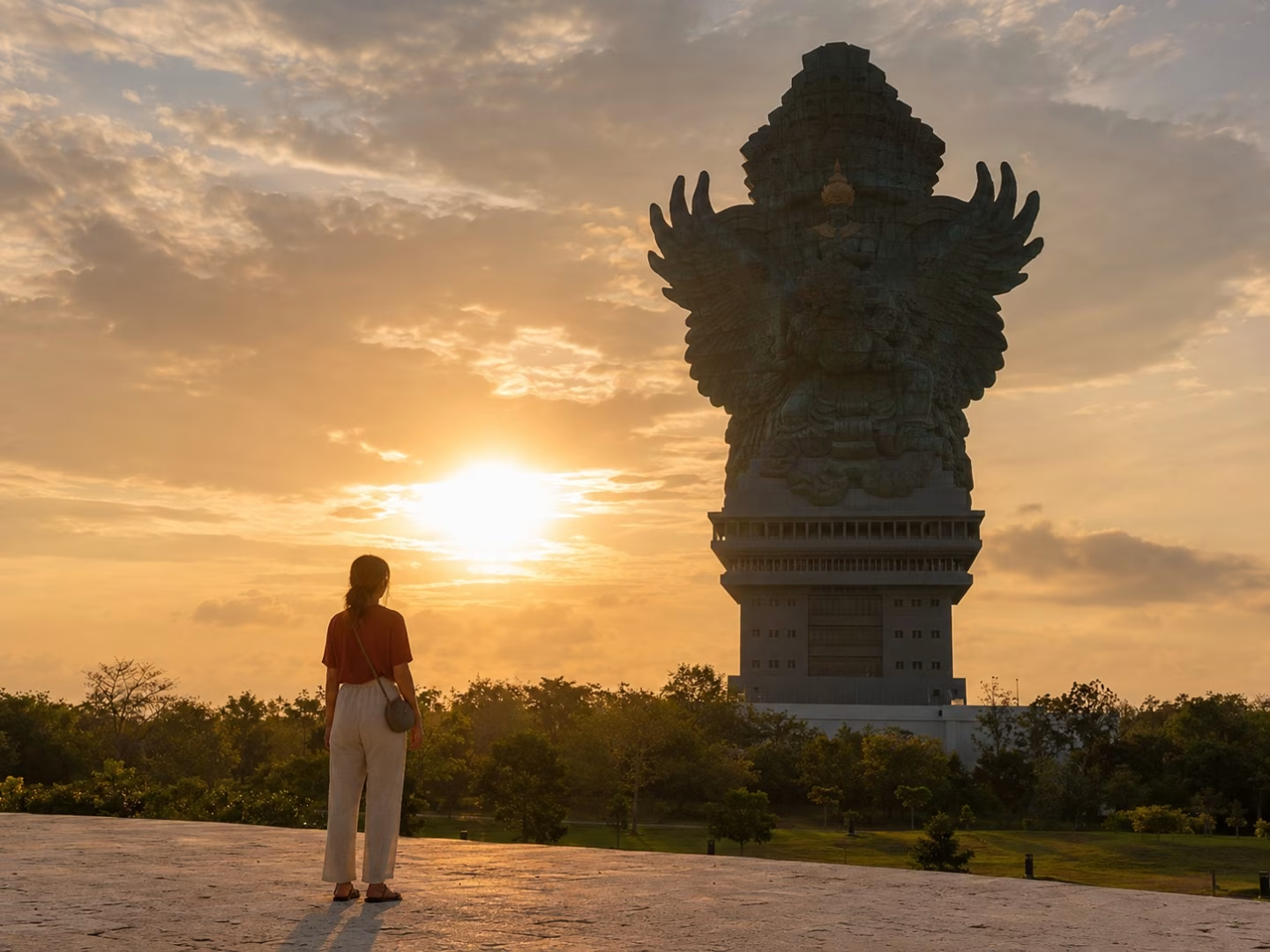
Bali's artistic traditions are among the richest in Southeast Asia — from the intricate woodcarvings of Mas to the expressive paintings of the Ubud school. Explore galleries, museums, and cultural centers where Bali's arts and museums bring the island's creative legacy to life.
<h3>The Ubud School</h3><p>The "Ubud school" that shaped much of Bali's fine-art identity emerged in the 1930s through collaboration between Balinese painters and resident Western artists — most notably Walter Spies and Rudolf Bonnet — who helped introduce techniques like perspective and shading while Balinese painters retained local subject matter drawn from mythology, temple ceremony, and daily village life.</p><h3>Craft Villages Are Genuinely Specialised</h3><p>Craft specialisation by village is a genuine division of labour, not a marketing label: Mas has concentrated generations of woodcarving families since at least the colonial era, Celuk's silver and goldsmithing grew from a caste-linked smithing tradition, and Batuan is known for a denser, more intricate painting style distinct from Ubud's. Visiting several villages in one route shows how specialised and geographically clustered Balinese craft production actually is.</p><h3>Museums Add Historical Depth</h3><p>Museum Puri Lukisan, opened in January 1956 by the King of Ubud with Rudolf Bonnet and Walter Spies, and the Neka Art Museum, founded in 1982 by art dealer Suteja Neka, both hold collections spanning classical Kamasan work through the Ubud school and into modern Balinese and Indonesian painting, letting a visitor see stylistic shifts side by side rather than as an abstract description.</p><h3>Tips for Visiting</h3><p>Budget a half day for two or three stops rather than rushing through five — Balinese museums reward slow looking, and craft villages work better as a relaxed walk-through than a checklist. Photography rules vary by venue and sometimes by artwork, so ask before photographing inside a gallery, and expect bargaining to be normal at markets and craft workshops but not inside museums with fixed pricing.</p><h3>Where to Go First</h3><p>For historic Balinese painting, the Neka Art Museum, Agung Rai Museum of Art (ARMA), and Museum Rudana all sit in or near Ubud and can be combined in one museum-focused day. If you'd rather buy than browse, Mas Village, Celuk Silver Village, Batuan Village, and Sukawati Art Market cover woodcarving, silverwork, classical painting, and general crafts respectively. In Denpasar, the Bajra Sandhi Monument and Museum Bali add a more historical, less tourist-oriented angle on the same cultural thread.</p>
Rice Terraces & Jungle Bali
1 destination
Bali's UNESCO-listed subak irrigation system has sculpted its hillsides into some of the world's most beautiful landscapes. Walk through tiered rice paddies at sunrise, cross bamboo bridges over jungle gorges, and discover the green heart of Bali.
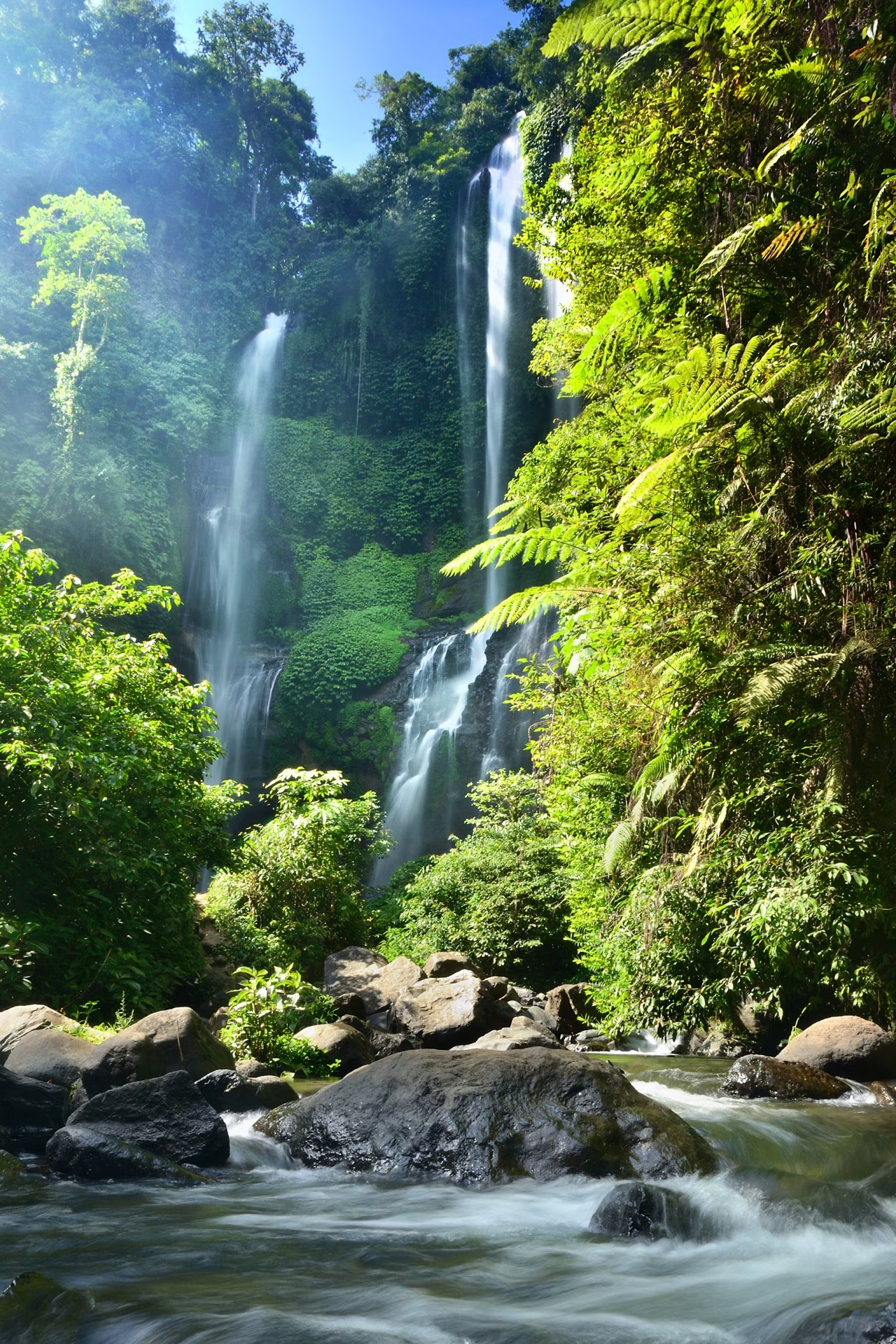
<h3>The Subak System</h3><p>The Subak system — a centuries-old cooperative water-sharing network guided by the Tri Hita Karana philosophy — was inscribed on UNESCO's World Heritage List in 2012, covering five terrace and water-temple landscapes across roughly 19,000 hectares. Subak is more than an irrigation technique — it is a cooperative institution: each subak is a farmer-run association that manages a shared water source, decides planting schedules, and maintains canals and water temples along the way.</p><h3>Jatiluwih vs. Tegalalang</h3><p>Jatiluwih, in west Bali, sits inside the UNESCO-listed zone and is among the largest and least crowded terraces; Tegalalang, closer to Ubud, is the most visited and has more facilities, swings, and cafés built around the view. The look of a terrace changes constantly through the rice cycle: freshly flooded paddies mirror the sky, young rice creates a bright-green carpet, and mature rice turns golden just before harvest — so a patchwork appearance often varies between neighbouring fields at different growth stages.</p><h3>Jungle Trails Alongside the Fields</h3><p>Jungle trekking routes frequently run alongside or through these agricultural landscapes rather than being separate from them, following irrigation canal paths, crossing hand-built bamboo bridges over ravines, or descending into river gorges cut through volcanic rock. Trails range from flat, well-maintained walkways suited to most visitors to steeper, unmarked paths that call for a local guide and proper footwear.</p><h3>Tips for Visiting</h3><p>Go early — ideally before 8am — for the softest light, coolest temperatures, and thinnest crowds, especially at Tegalalang and Ceking Rice Terraces near Ubud, which get busy with tour groups by mid-morning. Wear shoes with real grip, since paths can be narrow, uneven, and slick after rain, and expect a small local entrance or donation fee at most sites since the land belongs to farming communities, not a public park.</p><h3>Where to Go First</h3><p>Jatiluwih Rice Terraces is the better choice if you want space and quiet within the UNESCO-listed subak zone, while Tegalalang and Ceking Rice Terraces are more convenient if you're already based in Ubud and want to pair the view with cafés and swings nearby. The Campuhan Ridge Walk is a free, flat, and scenic alternative that needs no entrance fee at all. For a fuller half-day in the Ubud area, add Tukad Cepung Waterfall or a rafting trip down the Ayung River to round out the jungle side of the visit.</p>
Bali Cultural Villages
1 destination
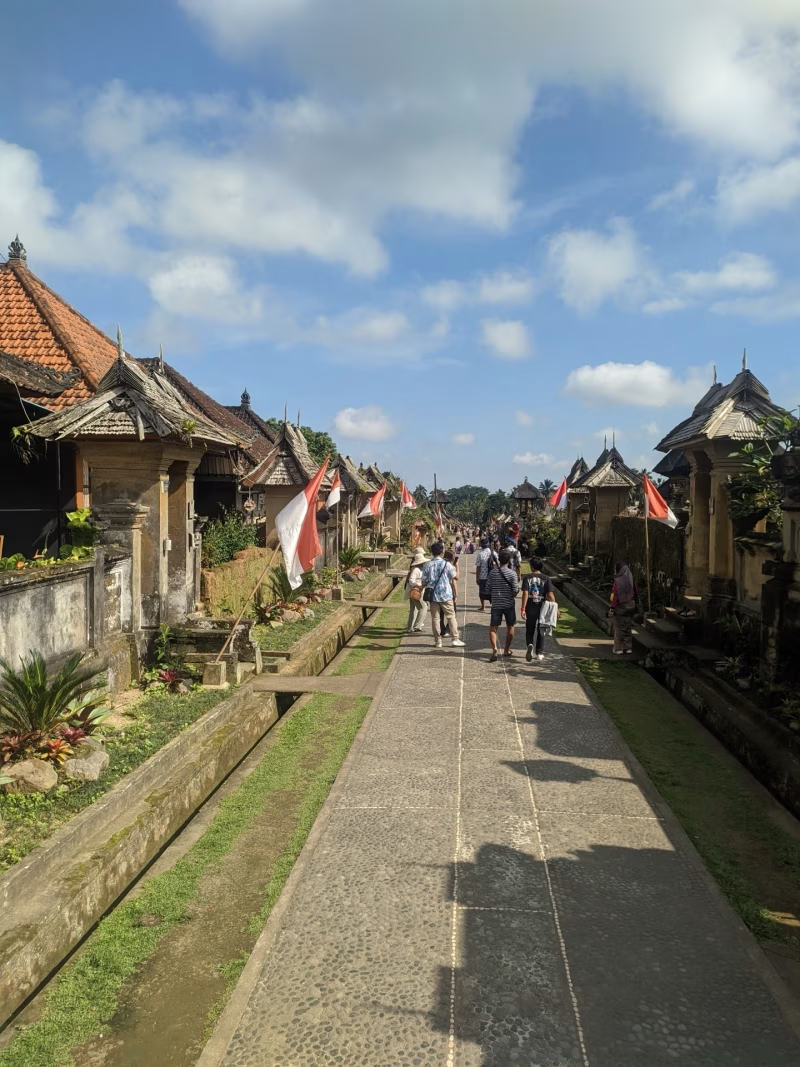
Away from the tourist crowds, Bali's traditional villages preserve a way of life unchanged for centuries. From Penglipuran's immaculate bamboo lanes to Tenganan's ancient Bali Aga customs, these bali cultural villages offer an authentic window into the island's living heritage.
<h3>Bali Aga vs. Mainstream Villages</h3><p>"Bali Aga" villages are communities descended from Bali's pre-Majapahit population, predating the 14th-century wave of Hindu-Javanese influence that shaped the caste system and temple culture found across most of the island today. Most other traditional villages open to visitors — including Penglipuran — are mainstream Balinese Hindu communities whose appeal lies less in being culturally separate and more in preserved architecture, strict customary planning rules, and daily life that continues alongside visitor access.</p><h3>Trunyan's Distinct Funeral Custom</h3><p>Trunyan Village, a Bali Aga community on Lake Batur's eastern shore, practises a funeral rite called Mepasah rather than the cremation (Ngaben) common elsewhere on the island: the bodies of those who died naturally and were married are laid in bamboo cages beneath a sacred tree called Taru Menyan, whose fragrance is said to naturally offset any odour of decomposition. Reaching the site normally means a boat crossing from Songan on the lake's more accessible side.</p><h3>Visiting as a Living Neighbourhood</h3><p>A village visit works best treated as observing a living neighbourhood rather than touring an open-air museum: residents farm, weave, hold ceremonies, and raise families in the same compounds visitors walk past, and income from entrance fees or craft sales typically supports the village's shared temple and community funds rather than a private operator.</p><h3>Tips for Visiting</h3><p>Ask before photographing residents, ceremonies, or the inside of family compounds — these are homes and active religious spaces, not a set piece. If you're visiting Trunyan Village's Bali Aga cemetery, book the boat crossing from Songan through an official operator, and treat the site with the same quiet respect you'd bring to any burial ground, since it remains an active part of the community's Mepasah funeral rite.</p><h3>Where to Go First</h3><p>Penglipuran Village is the easiest first visit, with its uniform bamboo-gated houses and car-free main lane close to Kintamani. For craft rather than architecture, combine Mas Village (wood carving), Celuk Silver Village, and Batuan Village (classical painting) into one route near Ubud — each specialises in a different trade. Amed Salt Farms is worth a stop if you want to see traditional sea-salt production still practised by hand, and Trunyan Village is the one to choose specifically for its distinct Bali Aga funeral custom rather than general village sightseeing.</p>

Bali Theme Parks & Attractions
1 destination
World-class theme parks, waterparks, and entertainment attractions — from Waterbom Bali to Bali's top cultural performance venues.
<h3>Waterbom's Track Record</h3><p>Waterbom Bali has operated on the same Kuta site since 1993 and has grown through repeated expansion into a botanical park of more than five hectares — its age and continuous investment are part of why it has been able to accumulate award recognition, including TripAdvisor's world's-number-one waterpark title, that a newer attraction couldn't yet claim.</p><h3>Beyond Water Rides</h3><p>Many attractions in this category pair rides or exhibits with traditional Balinese performances such as the Kecak fire dance, often held at sunset, and most of the island's largest attractions sit in the built-up south (Kuta, Jimbaran, Uluwatu, Nusa Dua), which makes them straightforward to combine with a beach day or airport transfer — though that same concentration means peak-season crowding and traffic on approach roads is a bigger factor here than at more spread-out categories like waterfalls or temples.</p><h3>Tips for Visiting</h3><p>Go on a weekday if possible — Waterbom Bali, the main attraction in this category, gets noticeably busier on weekends and during Indonesian school holidays. Bring reef-safe sunscreen (applied well before entering the water), a change of clothes, and cash or a card for extras like lockers and towels, which are usually charged separately from the base entry ticket.</p><h3>Where to Go First</h3><p>Waterbom Bali Kuta is the clear choice here, and its scale means a full day is realistic rather than a rushed half-day stop — pace yourself between thrill slides and the calmer lazy river rather than trying to ride everything at once. If you're after cultural attractions like GWK Cultural Park rather than rides, check the Arts & Museums or Cultural Villages categories on this site instead, since this category is currently centred on Waterbom.</p>