Bali Aga vs. Mainstream Villages
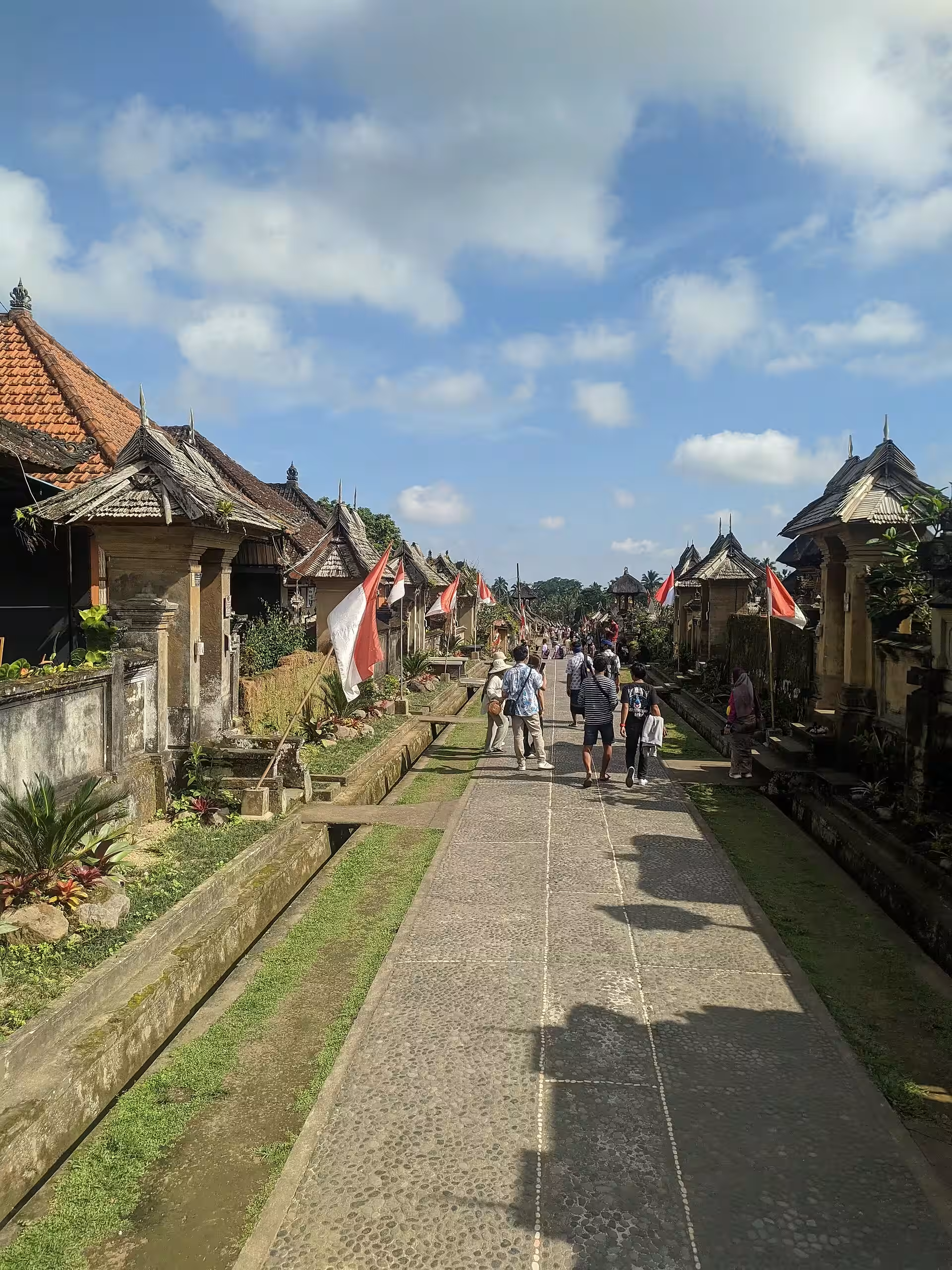
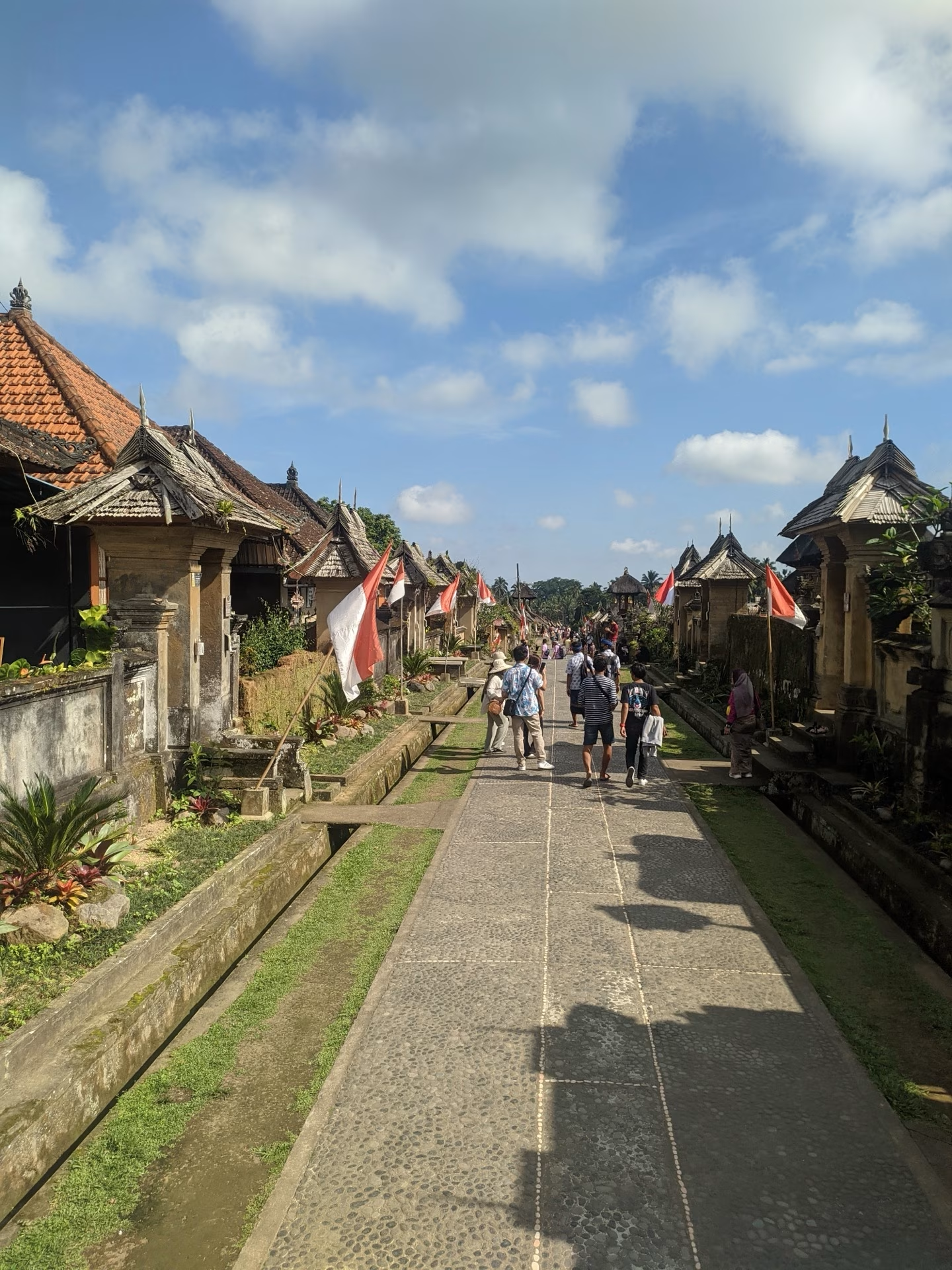
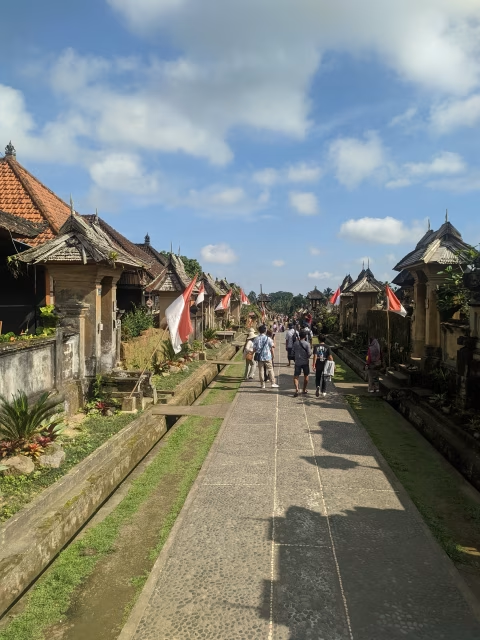
"Bali Aga" villages are communities descended from Bali's pre-Majapahit population, predating the 14th-century wave of Hindu-Javanese influence that shaped the caste system and temple culture found across most of the island today. Most other traditional villages open to visitors — including Penglipuran — are mainstream Balinese Hindu communities whose appeal lies less in being culturally separate and more in preserved architecture, strict customary planning rules, and daily life that continues alongside visitor access.
Trunyan's Distinct Funeral Custom
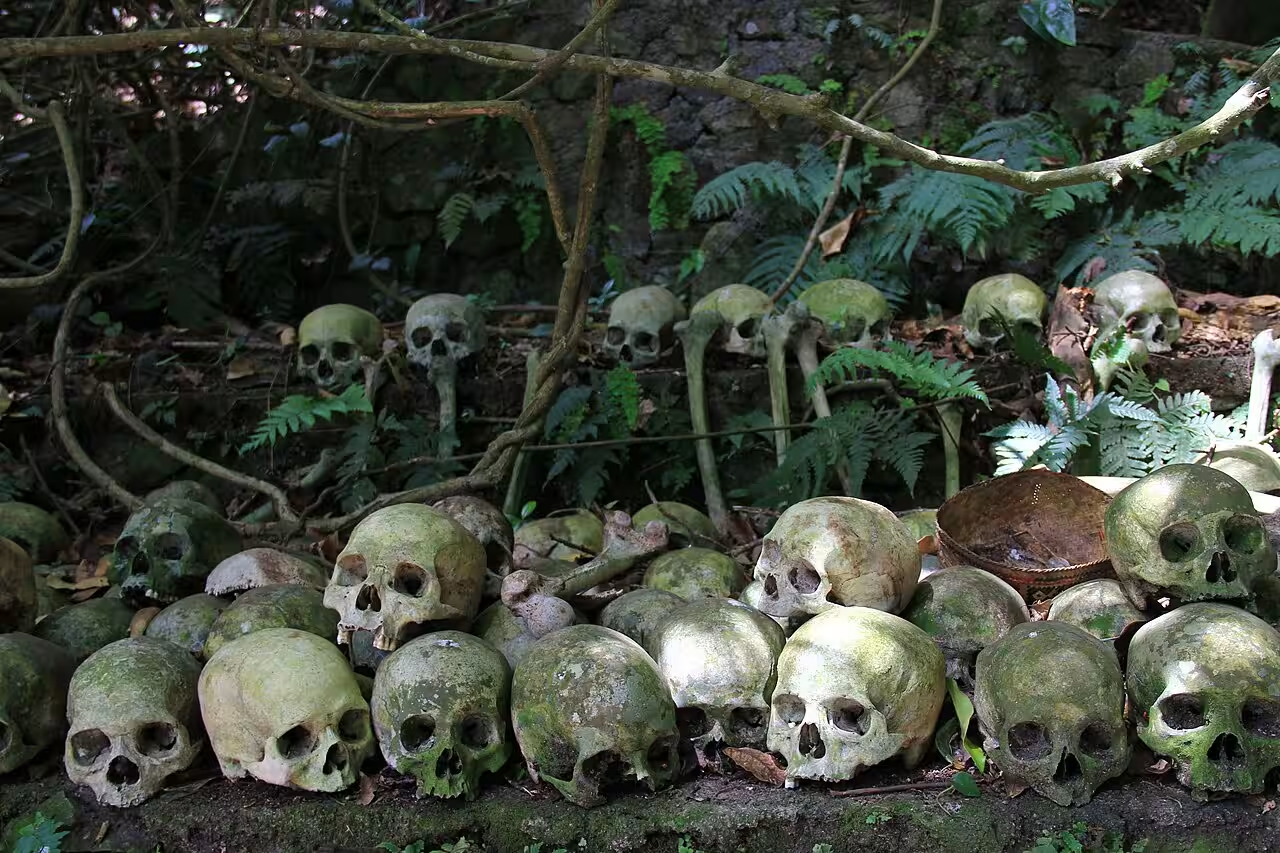
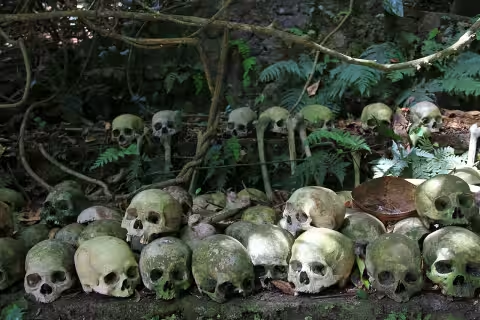
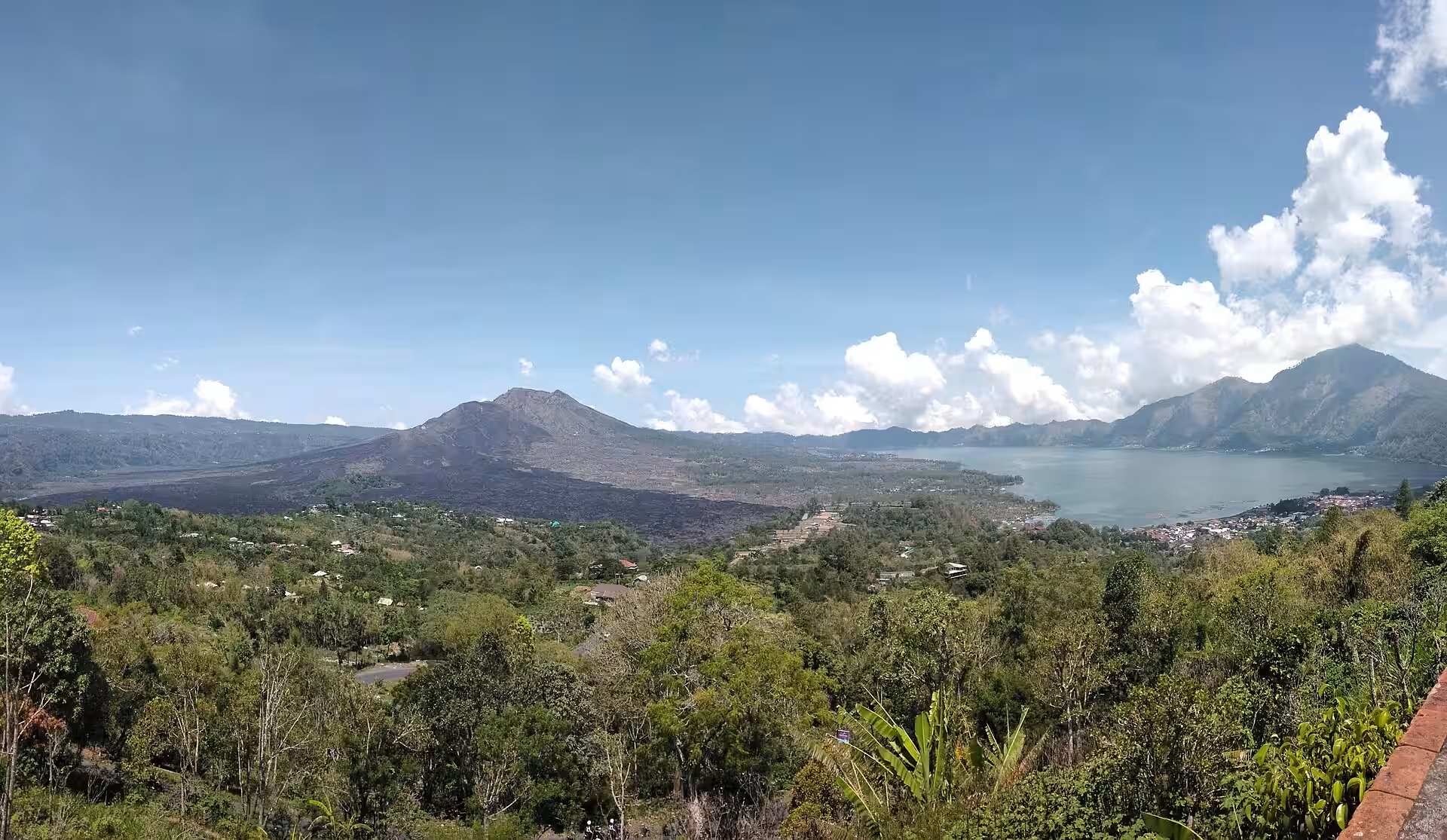
Trunyan Village, a Bali Aga community on Lake Batur's eastern shore, practises a funeral rite called Mepasah rather than the cremation (Ngaben) common elsewhere on the island: the bodies of those who died naturally and were married are laid in bamboo cages beneath a sacred tree called Taru Menyan, whose fragrance is said to naturally offset any odour of decomposition. Reaching the site normally means a boat crossing from Songan on the lake's more accessible side.
Visiting as a Living Neighbourhood
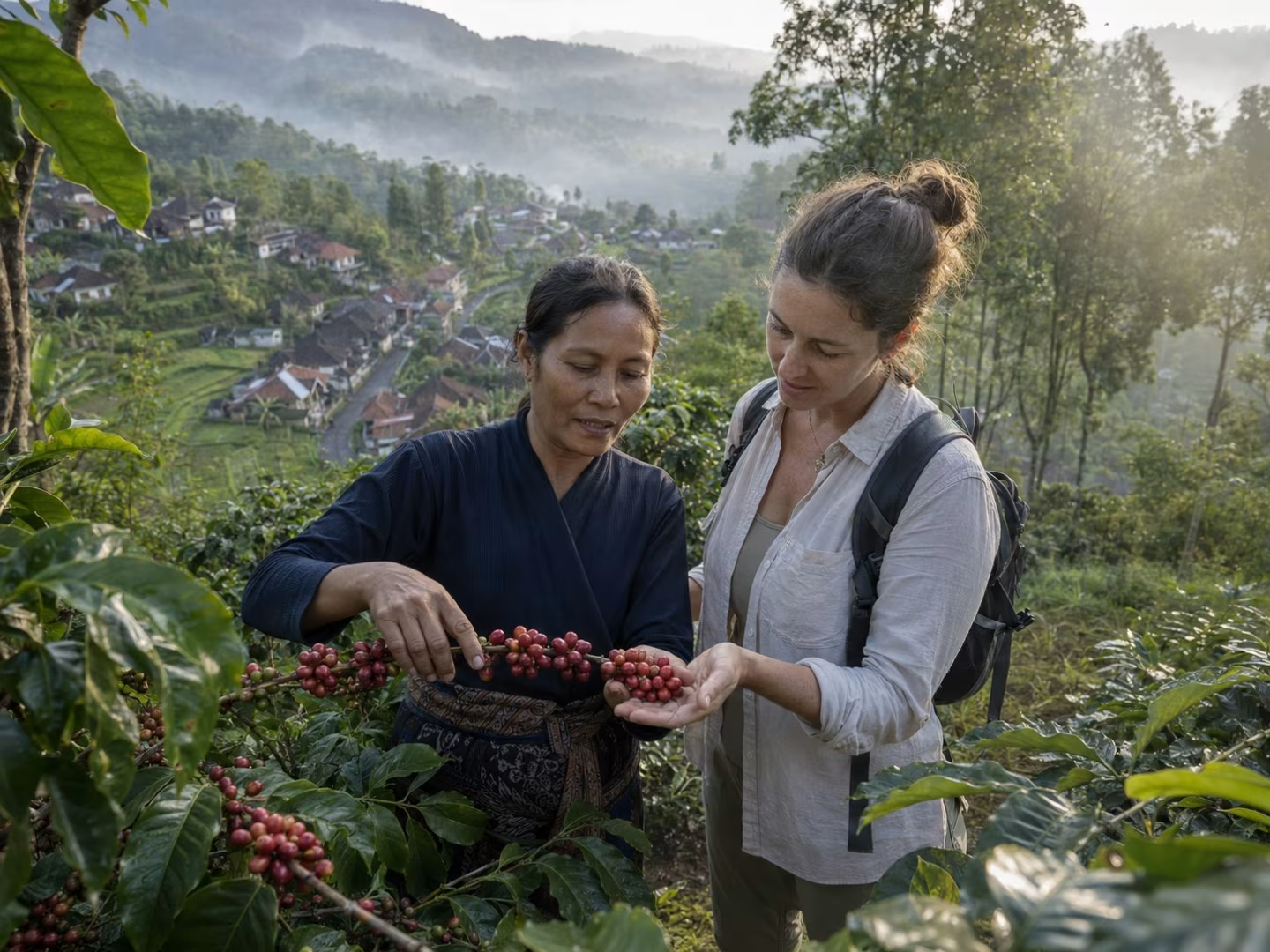
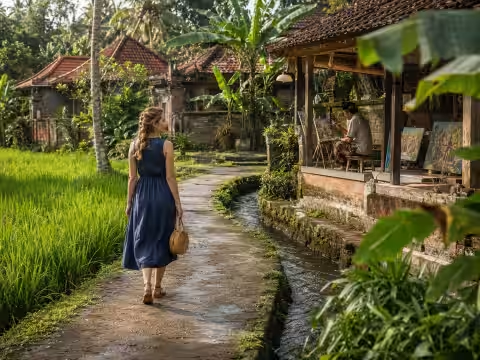
A village visit works best treated as observing a living neighbourhood rather than touring an open-air museum: residents farm, weave, hold ceremonies, and raise families in the same compounds visitors walk past, and income from entrance fees or craft sales typically supports the village's shared temple and community funds rather than a private operator.
Tips for Visiting
Ask before photographing residents, ceremonies, or the inside of family compounds — these are homes and active religious spaces, not a set piece. If you're visiting Trunyan Village's Bali Aga cemetery, book the boat crossing from Songan through an official operator, and treat the site with the same quiet respect you'd bring to any burial ground, since it remains an active part of the community's Mepasah funeral rite.
Where to Go First
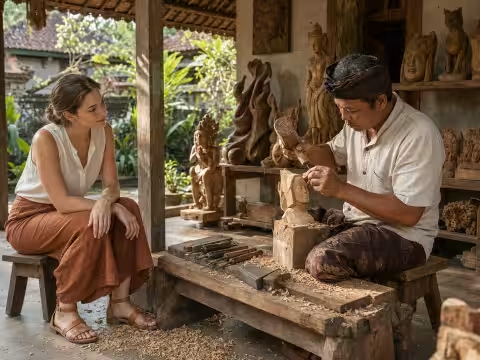
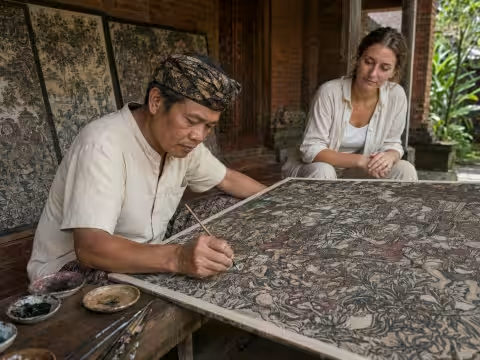
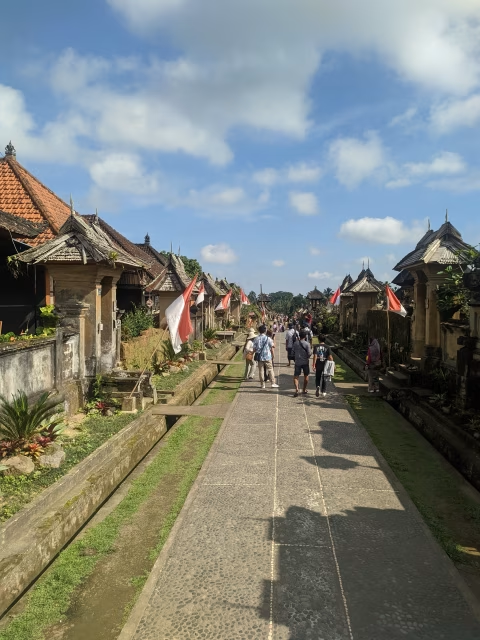
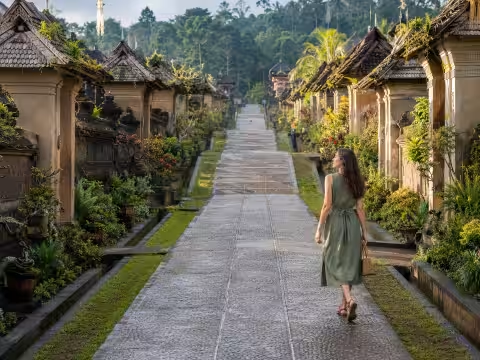
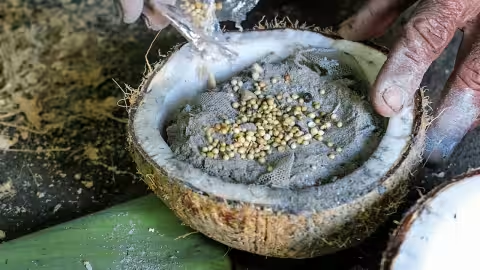
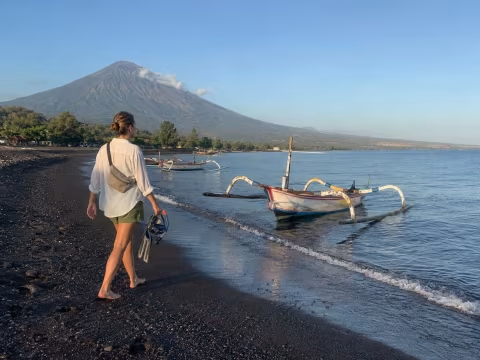
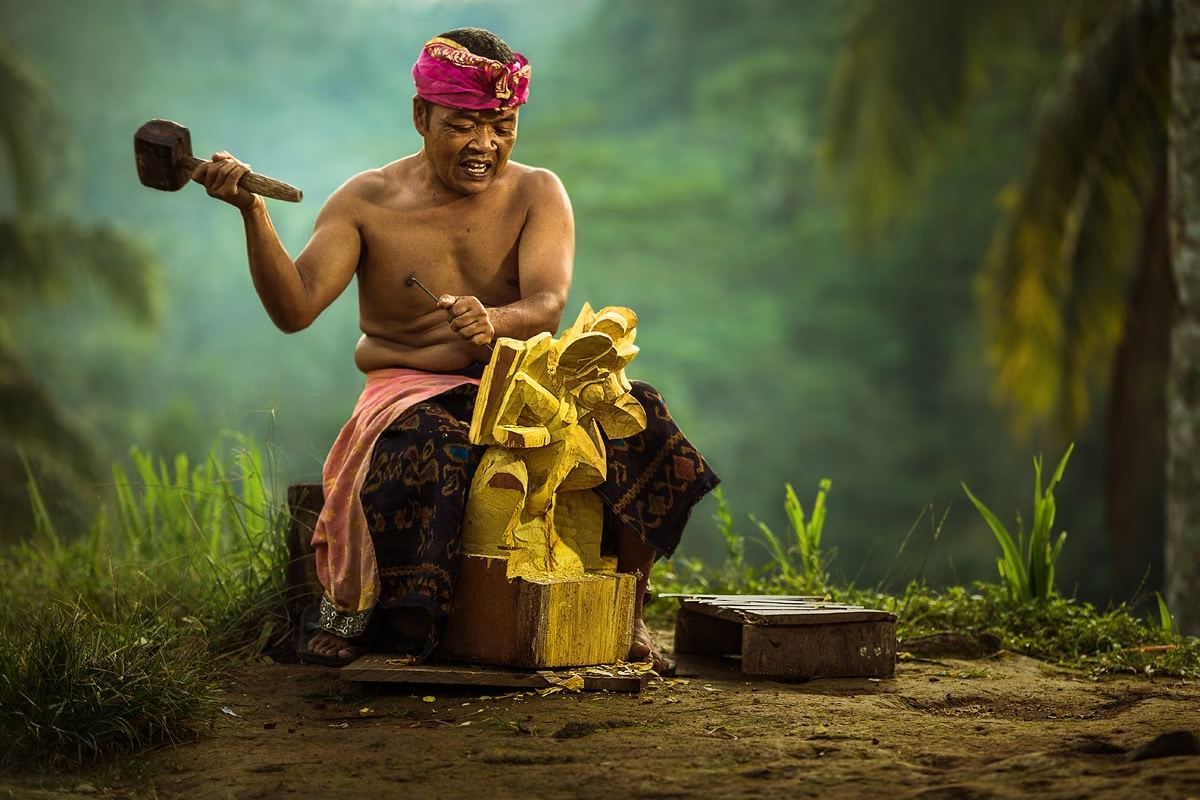
Penglipuran Village is the easiest first visit, with its uniform bamboo-gated houses and car-free main lane close to Kintamani. For craft rather than architecture, combine Mas Village (wood carving), Celuk Silver Village, and Batuan Village (classical painting) into one route near Ubud — each specialises in a different trade. Amed Salt Farms is worth a stop if you want to see traditional sea-salt production still practised by hand, and Trunyan Village is the one to choose specifically for its distinct Bali Aga funeral custom rather than general village sightseeing.