Types of Balinese Temples
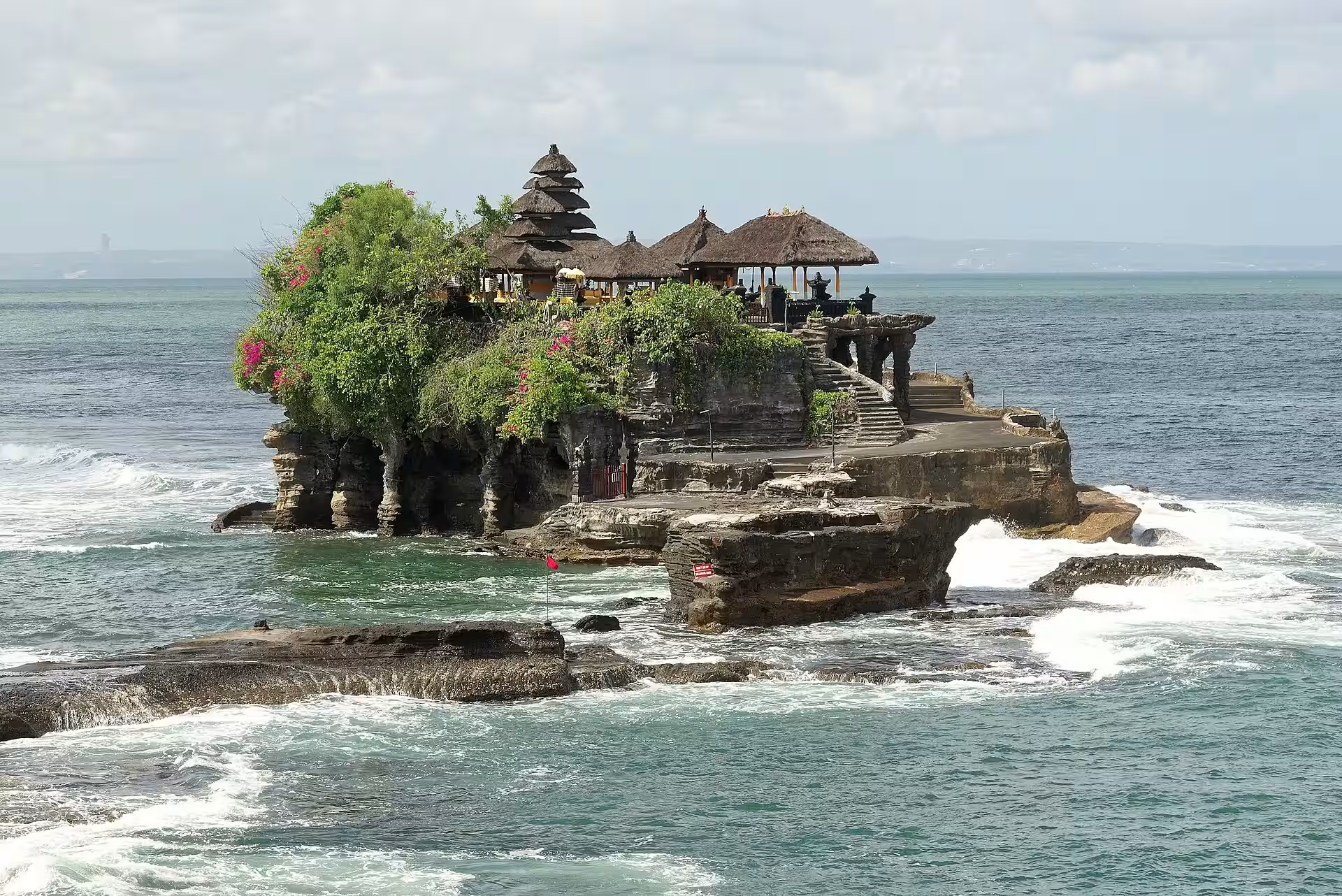
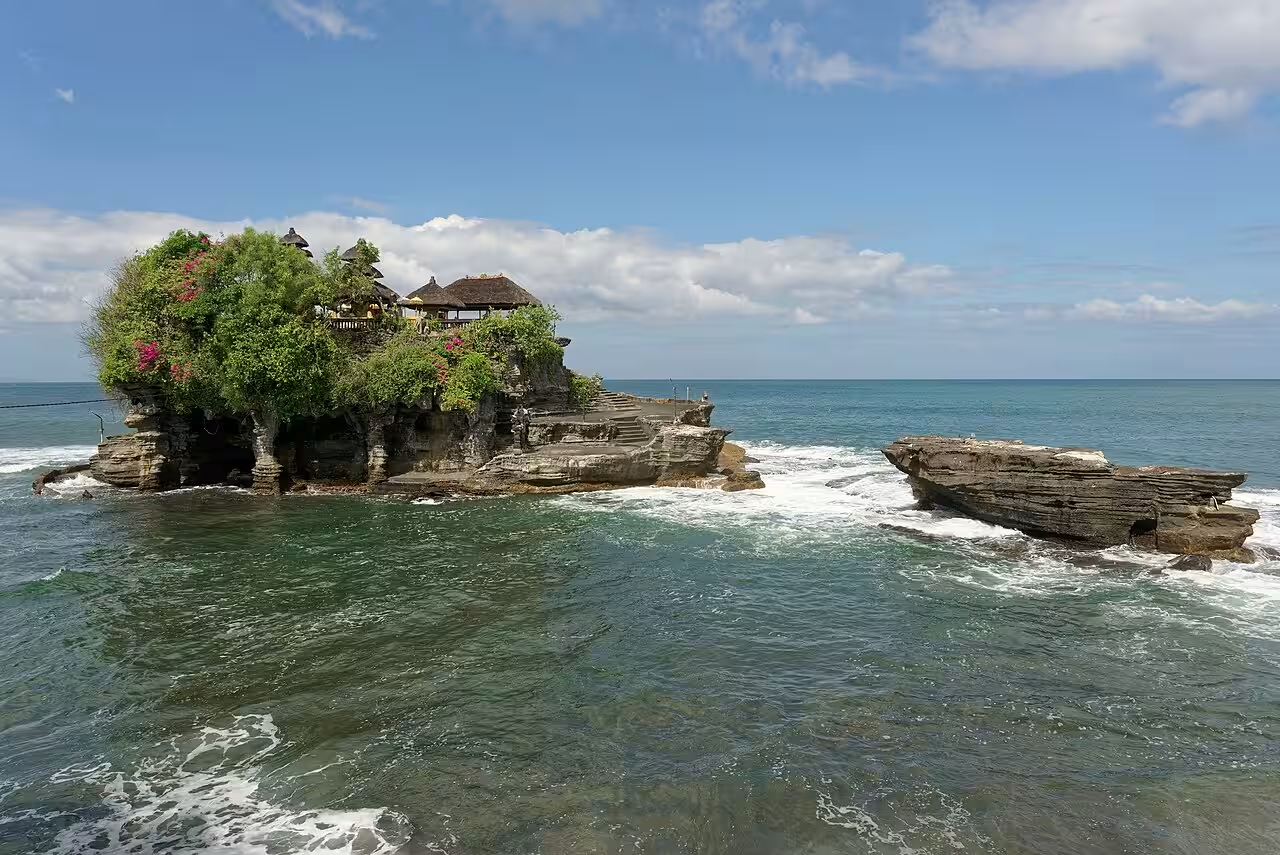
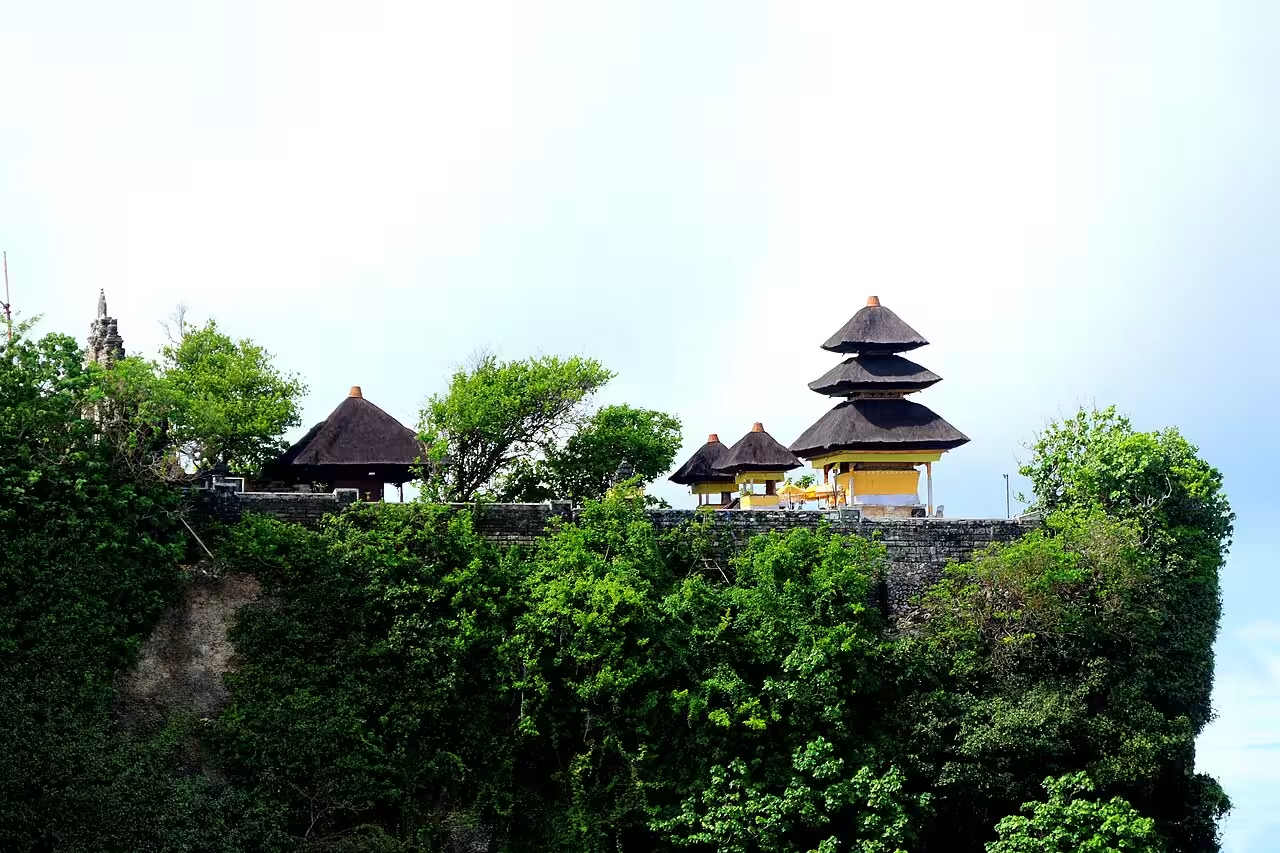
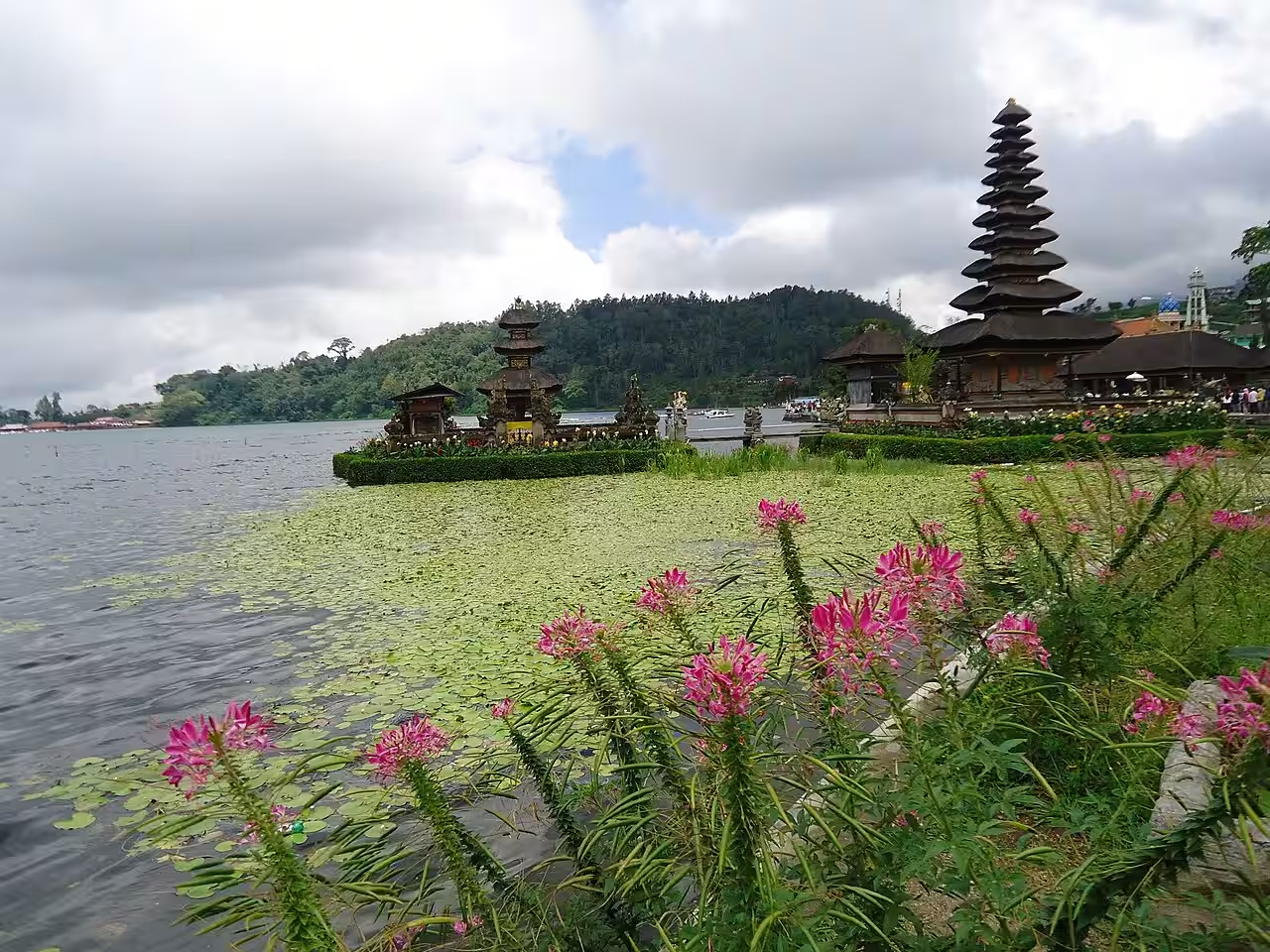
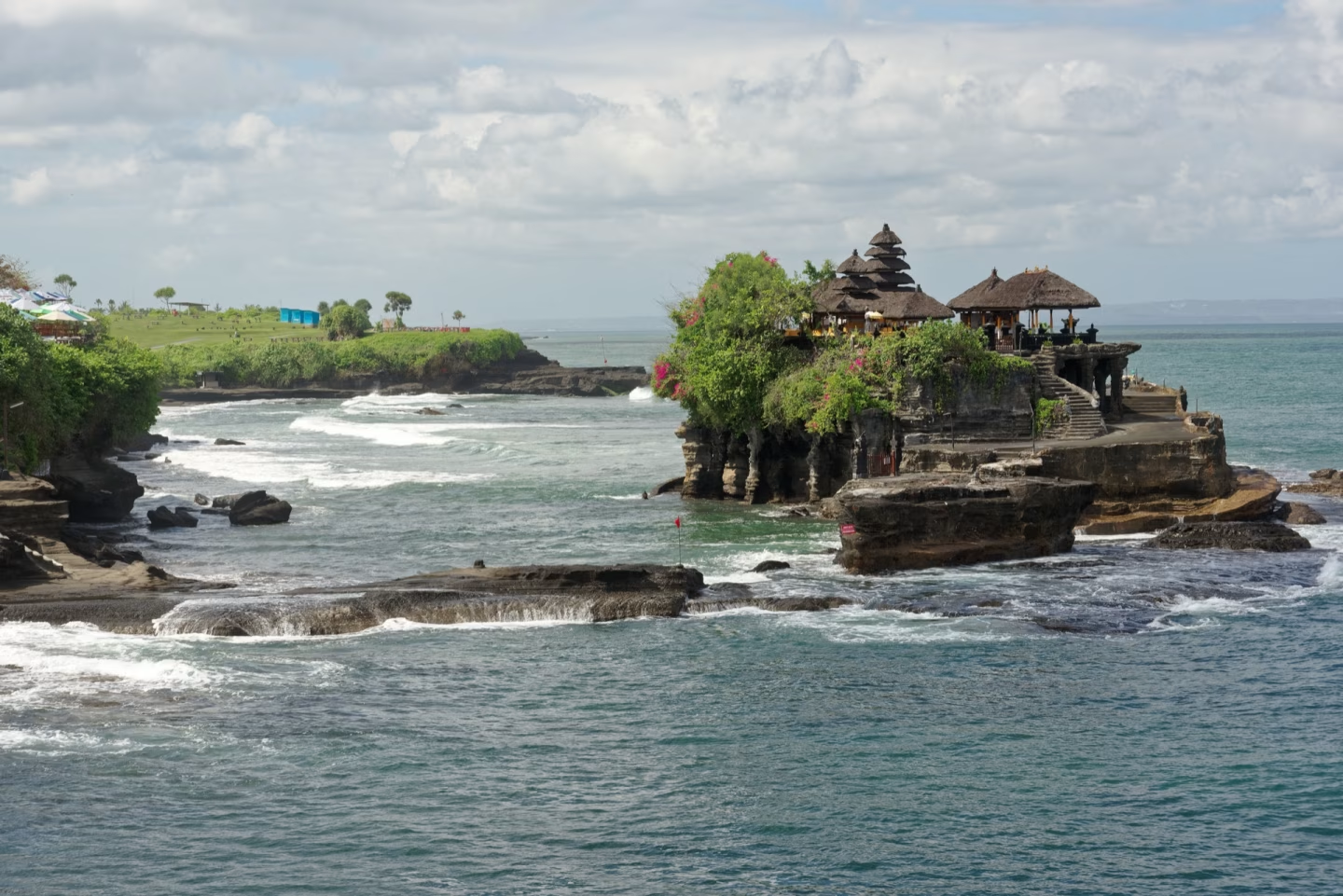
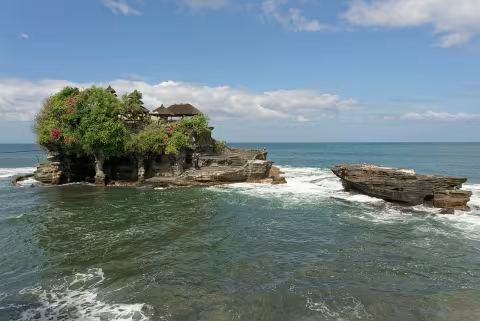
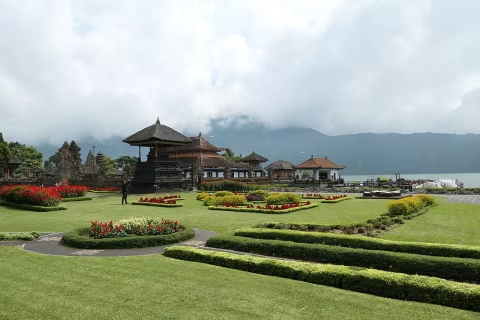
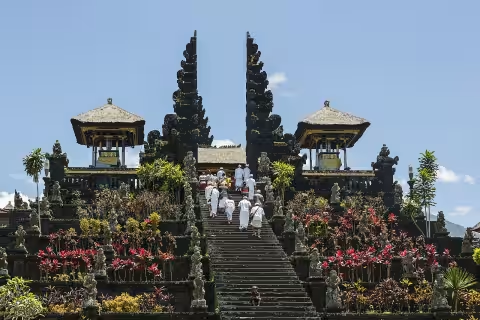
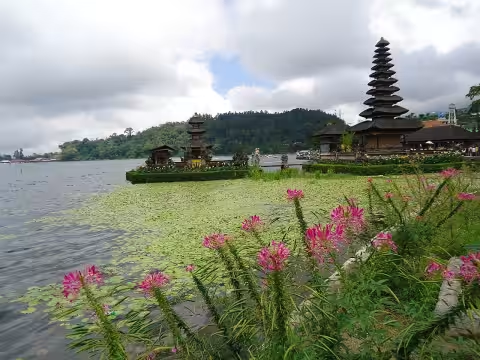
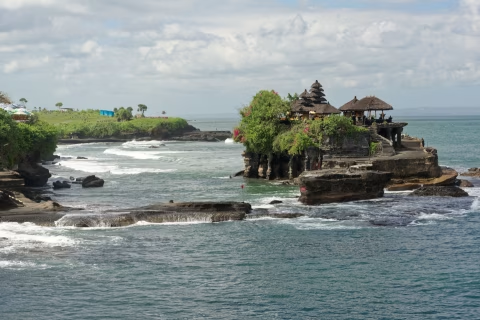
Temples on Bali fall into recognisable types: sea temples built on coastal outcrops (Tanah Lot, Uluwatu), water temples centred on natural springs used for purification rituals (Tirta Empul, Ulun Danu Beratan), and the island's spiritual centre, Pura Besakih, positioned on the slopes of sacred Mount Agung. Most active temples require visitors to wear a sarong and sash, provided free or for rent at the entrance, and some restrict entry during a woman's menstruation out of respect for local custom.
Temple Architecture and Ritual Calendar
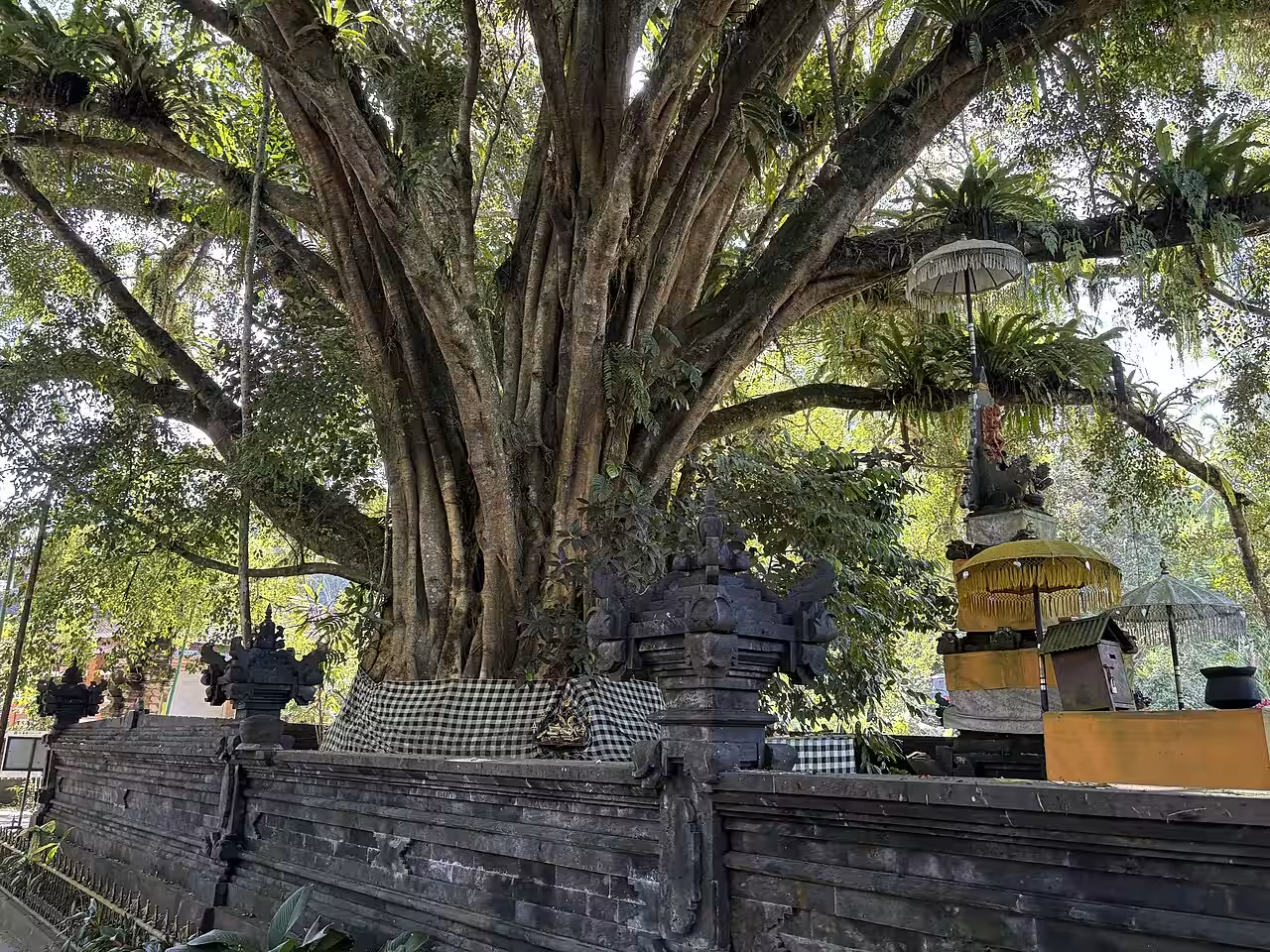
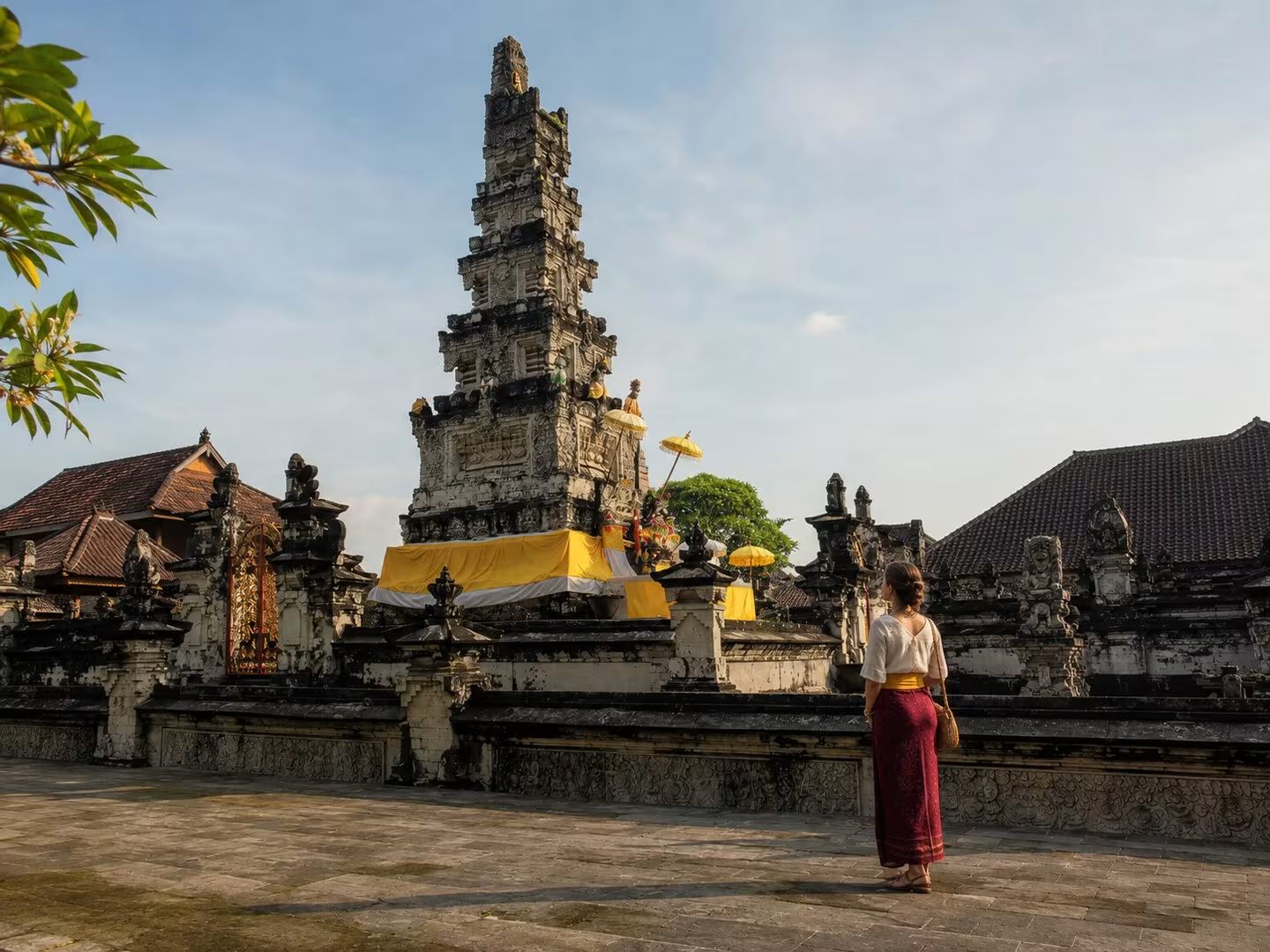
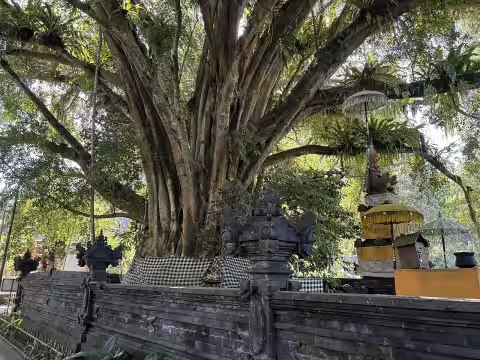
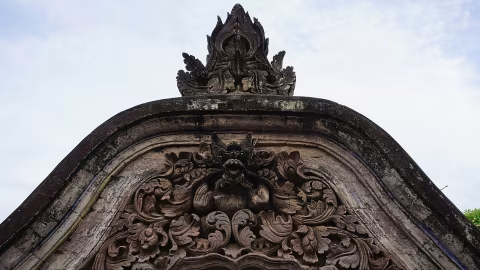
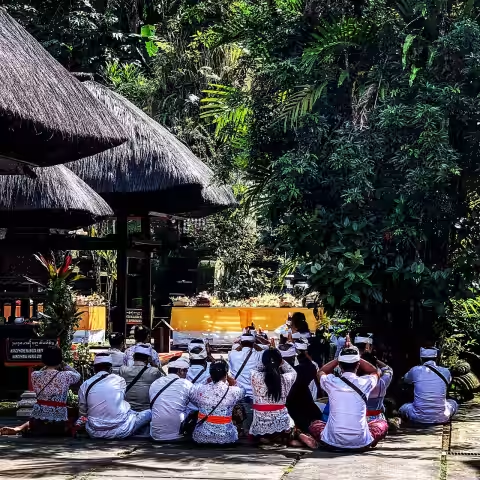
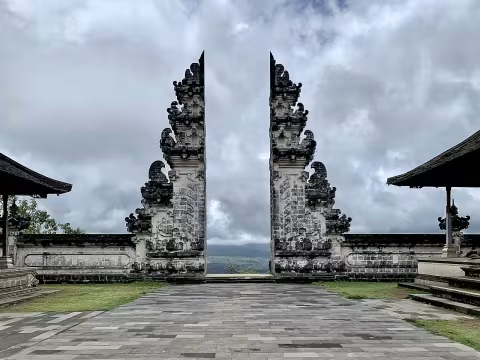
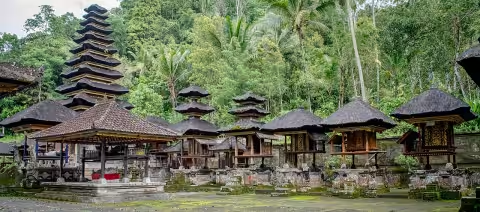
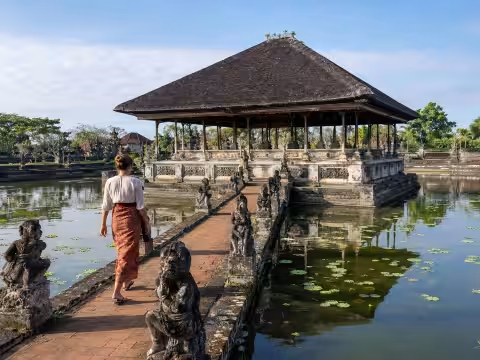
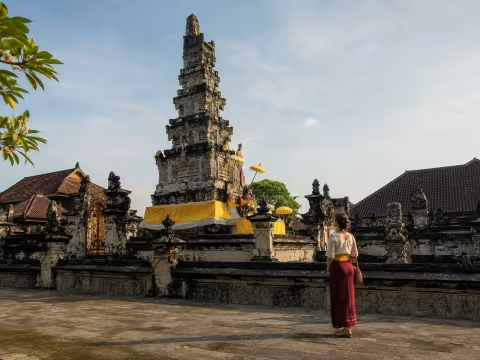
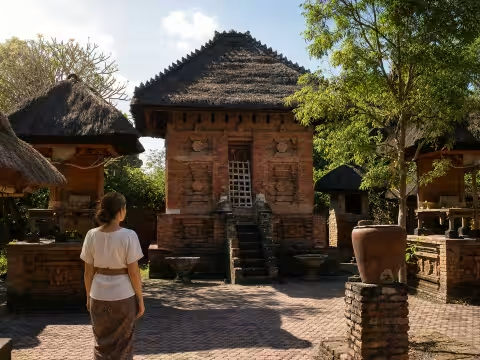
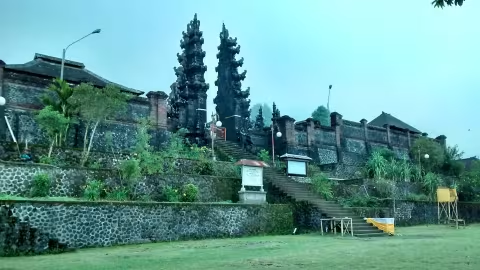
Balinese temple architecture follows a consistent underlying logic even though individual temples look very different. Most are arranged as a series of courtyards moving from a public outer area toward an increasingly sacred inner sanctum, marked by split gates (candi bentar) and tiered stone or thatched-roof shrines called meru, whose number of tiers signals the shrine's importance. Temples are not static heritage sites frozen for visitors — they are active places of worship tied to a ceremonial calendar based on the 210-day Balinese pawukon cycle, so a temple that looks quiet on one visit can be full of offerings, gamelan music, and dressed worshippers a few weeks later for its odalan (anniversary) ceremony.
Why Etiquette Matters Here
Because temples remain functioning religious sites, the etiquette around them is not just a formality: dress and behaviour standards exist to maintain a sense of ritual purity for practitioners, not to create a photo opportunity. Following posted rules — covering shoulders and knees, wearing a sash, keeping voices low near an active ceremony, and not climbing on structures for photos — is treated as a basic condition of entry rather than an optional courtesy.
Tips for Visiting
Plan around light and crowds as much as ritual: Pura Tanah Lot and Pura Uluwatu are both best near sunset, with Uluwatu also hosting an evening Kecak fire dance, while Pura Lempuyang is calmest and least crowded in the very early morning. Bring a sarong (or budget a small rental fee), and be wary of unofficial guides or photographers at busy sites like Besakih or Lempuyang who may pressure visitors into paid "packages" beyond the standard entrance ticket.
Which Temples to Prioritise
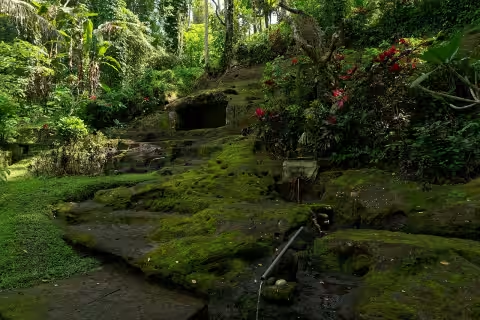
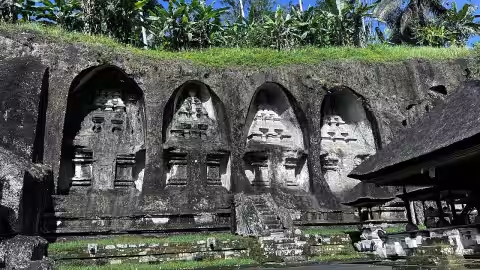
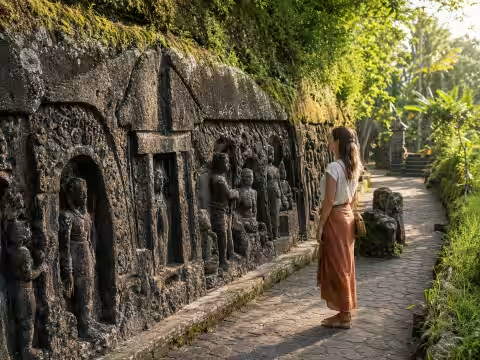
For a first Bali temple visit, Pura Tirta Empul offers the most hands-on experience through its water purification pools, while Pura Besakih is the one to see for scale and religious significance as the island's largest temple complex. Goa Gajah and Pura Gunung Kawi sit close together near Ubud and combine well as ancient rock-cut sites from the same half-day route. If lake and mountain scenery matter more than architecture, Pura Ulun Danu Beratan and Pura Ulun Danu Batur both sit directly on the water.