The Ubud School
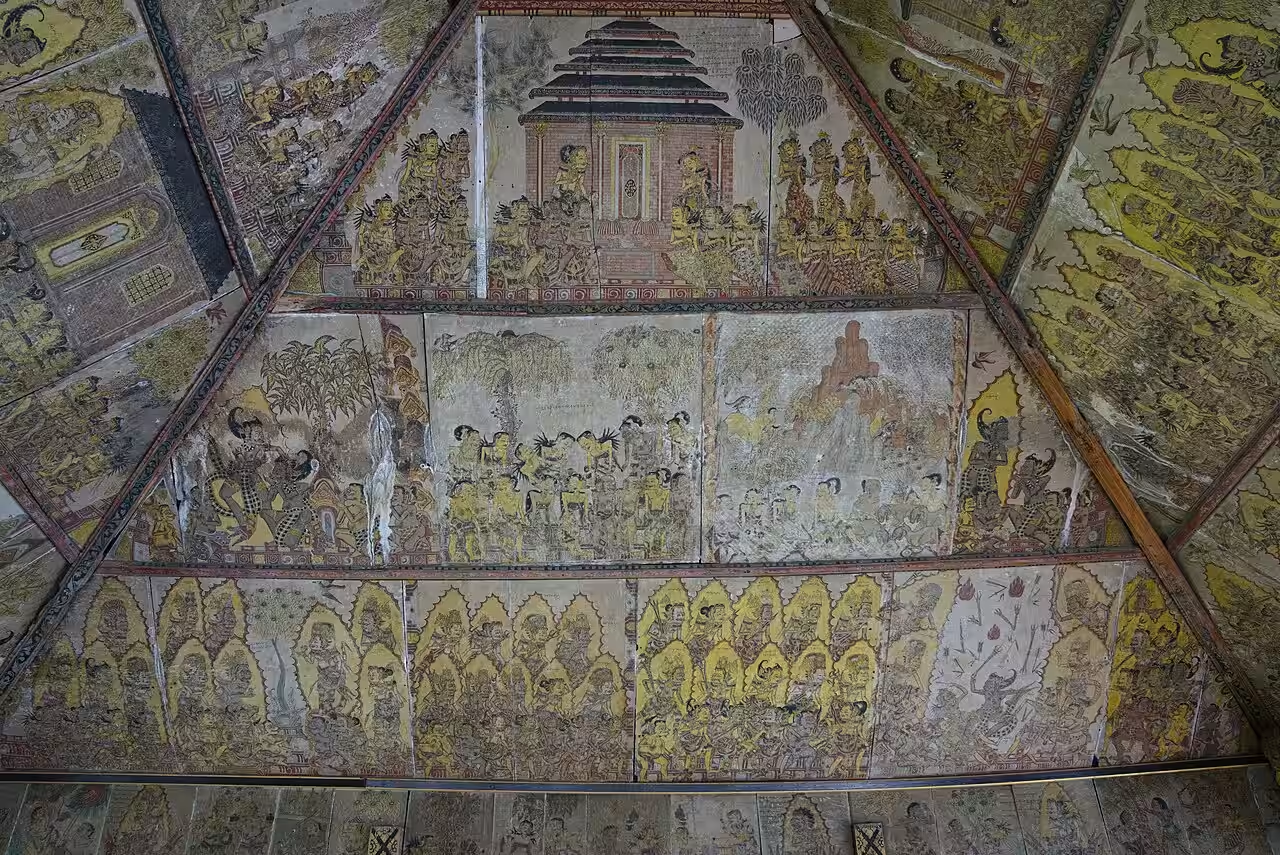
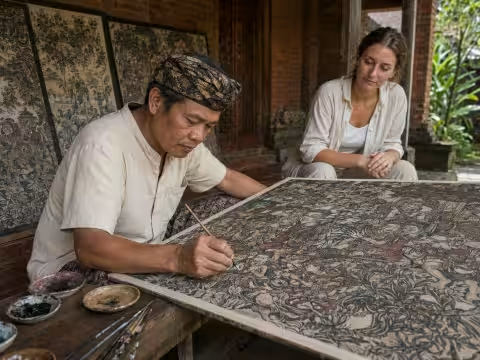
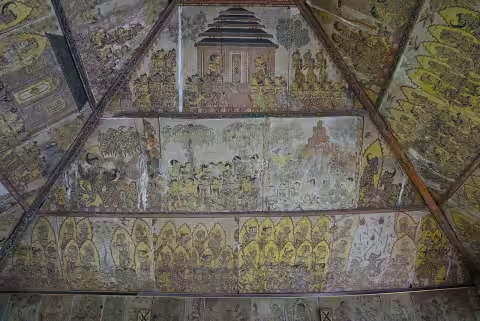
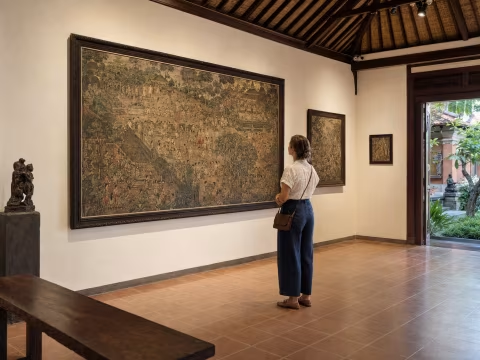
The "Ubud school" that shaped much of Bali's fine-art identity emerged in the 1930s through collaboration between Balinese painters and resident Western artists — most notably Walter Spies and Rudolf Bonnet — who helped introduce techniques like perspective and shading while Balinese painters retained local subject matter drawn from mythology, temple ceremony, and daily village life.
Craft Villages Are Genuinely Specialised
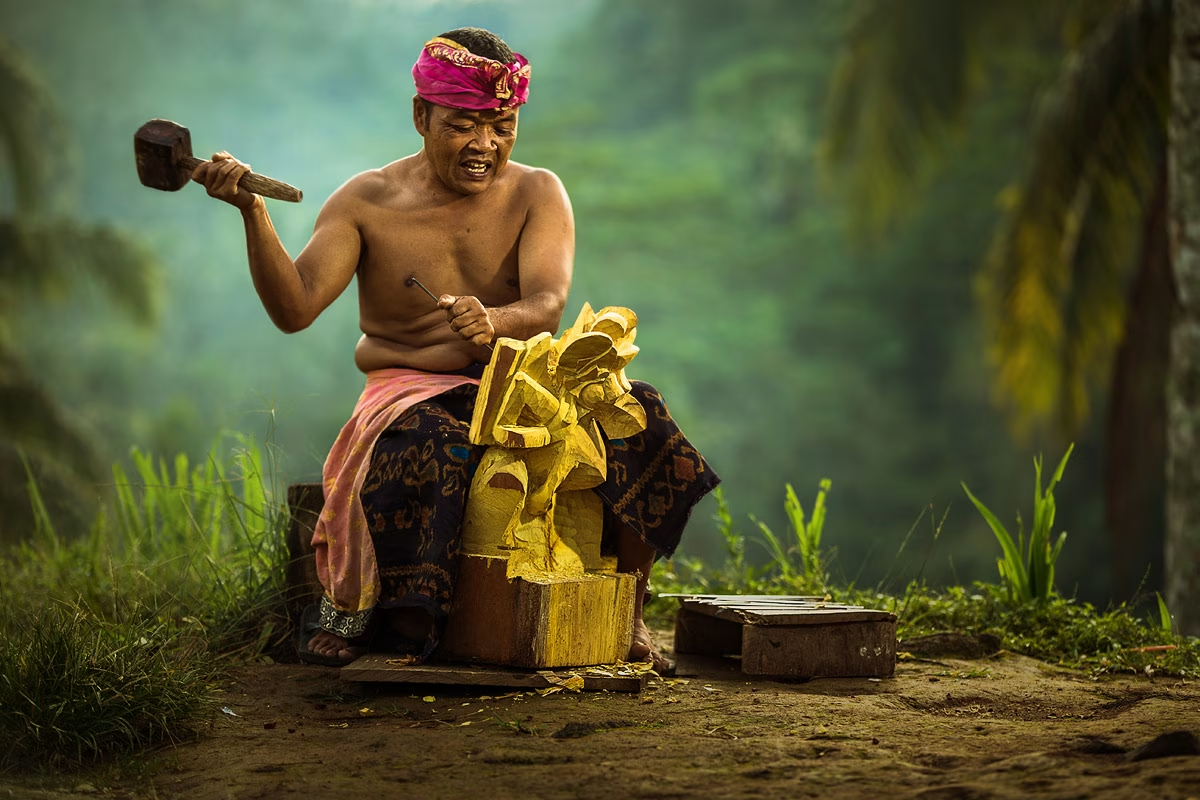
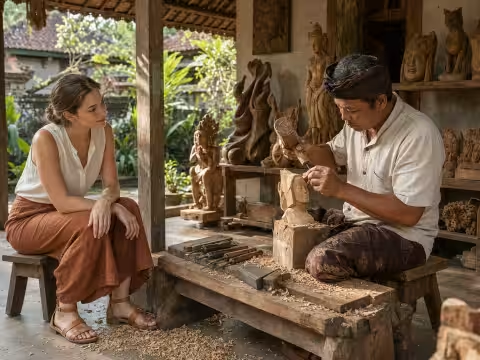
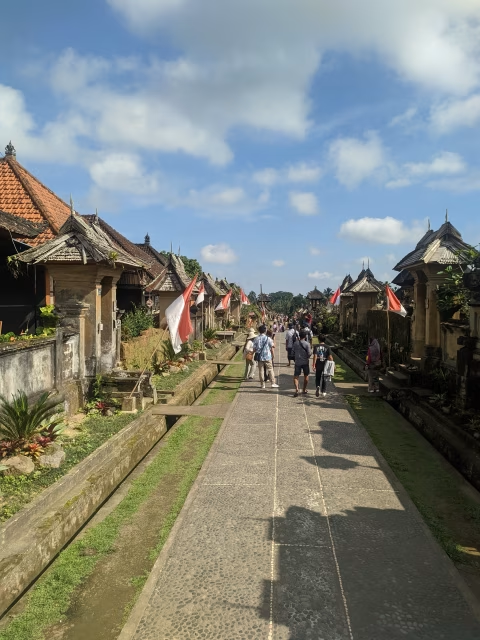
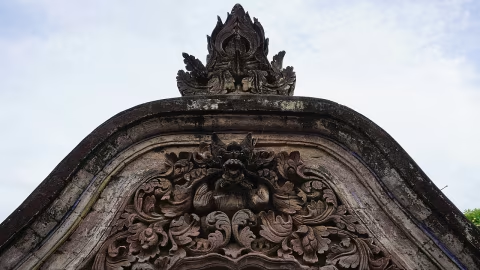
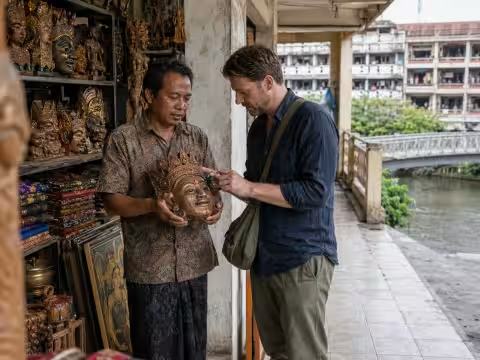
Craft specialisation by village is a genuine division of labour, not a marketing label: Mas has concentrated generations of woodcarving families since at least the colonial era, Celuk's silver and goldsmithing grew from a caste-linked smithing tradition, and Batuan is known for a denser, more intricate painting style distinct from Ubud's. Visiting several villages in one route shows how specialised and geographically clustered Balinese craft production actually is.
Museums Add Historical Depth
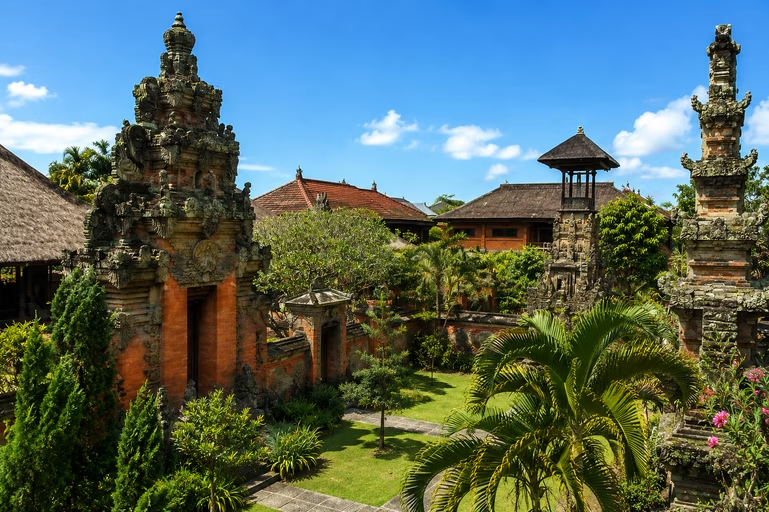
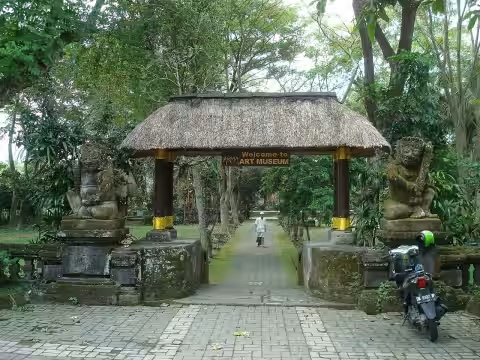
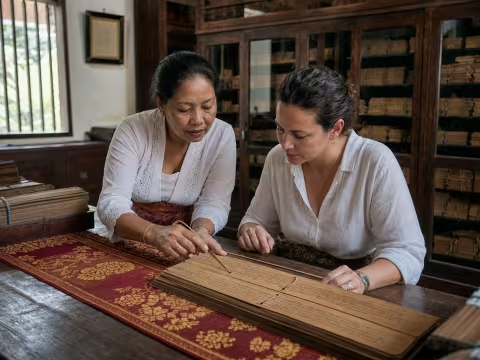
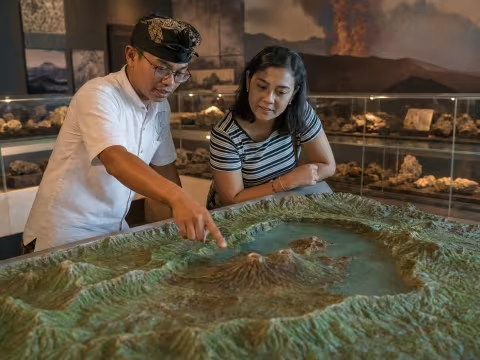
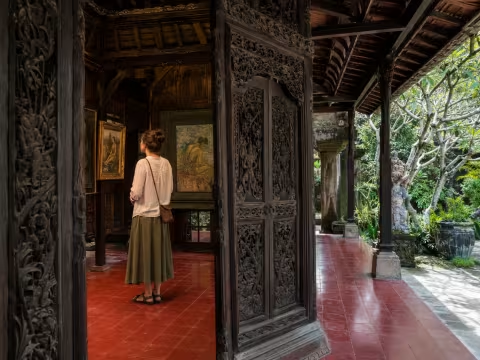
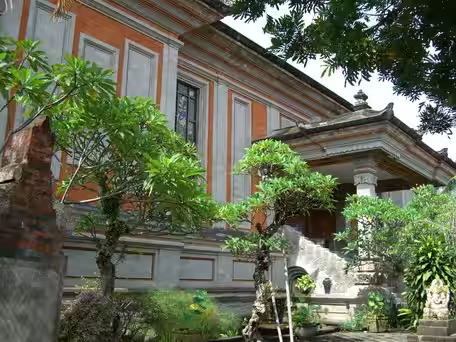
Museum Puri Lukisan, opened in January 1956 by the King of Ubud with Rudolf Bonnet and Walter Spies, and the Neka Art Museum, founded in 1982 by art dealer Suteja Neka, both hold collections spanning classical Kamasan work through the Ubud school and into modern Balinese and Indonesian painting, letting a visitor see stylistic shifts side by side rather than as an abstract description.
Tips for Visiting
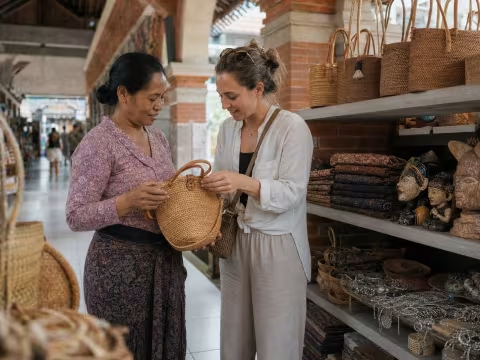
Budget a half day for two or three stops rather than rushing through five — Balinese museums reward slow looking, and craft villages work better as a relaxed walk-through than a checklist. Photography rules vary by venue and sometimes by artwork, so ask before photographing inside a gallery, and expect bargaining to be normal at markets and craft workshops but not inside museums with fixed pricing.
Where to Go First
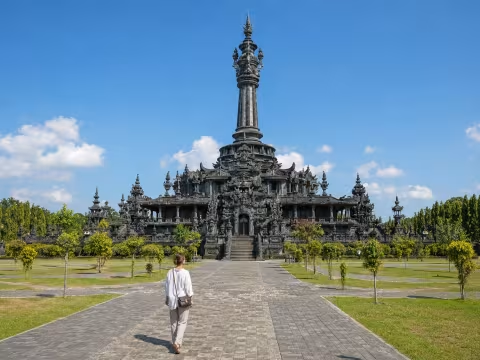
For historic Balinese painting, the Neka Art Museum, Agung Rai Museum of Art (ARMA), and Museum Rudana all sit in or near Ubud and can be combined in one museum-focused day. If you'd rather buy than browse, Mas Village, Celuk Silver Village, Batuan Village, and Sukawati Art Market cover woodcarving, silverwork, classical painting, and general crafts respectively. In Denpasar, the Bajra Sandhi Monument and Museum Bali add a more historical, less tourist-oriented angle on the same cultural thread.