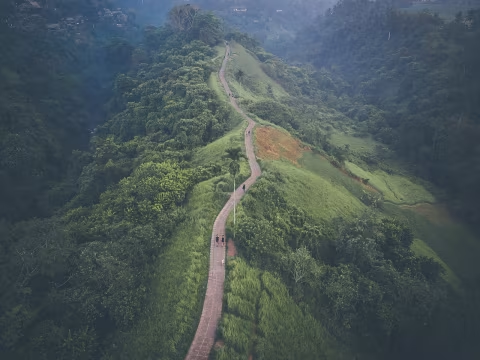
A realistic seven-day Bali family itinerary should use no more than two accommodation bases, leave the arrival day light, and alternate active days with slower ones. This plan uses Sanur for the first three nights and Ubud for the next three, so families can combine beach time, one major activity day, wildlife or culture, and an inland stay without packing every morning.
The itinerary is designed for a first Bali trip with children. It does not assume that every child enjoys the same activities, so each day includes a lower-energy option and notes for toddlers, school-age children, and teenagers. Opening hours, admission rules, weather, traffic, and activity restrictions can change; check each venue's official information again before confirming the day.
Seven-day Bali family itinerary at a glance
Day 1: Airport arrival and an easy transfer to Sanur
Day 2: A gentle Sanur beach and promenade day
Day 3: Waterbom Bali or a slower South Bali alternative
Day 4: Transfer to Ubud with one family-friendly stop
Day 5: Ubud culture at a child-friendly pace
Day 6: Choose a nature, wildlife, or creative experience
Day 7: A quiet final morning and a buffered airport transfer
This is a framework, not a promise that every stop will suit every family. Before booking transport or tickets, consider each child's age, height, swimming confidence, walking tolerance, sensory needs, and usual rest time.
Why Sanur and Ubud work as two family bases
Changing hotels too often adds packing, check-in time, unfamiliar sleep environments, and more time in traffic. Two bases create variety without turning the holiday into a sequence of transfers.
Sanur is a practical first base because it offers a long seafront area and a gentler first-day rhythm after a flight. Indonesia's official tourism website describes Sanur's offshore reef and shallow lagoons, while also noting that conditions vary beyond the reef. Families should still assess the sea on the day, follow local flags and instructions, and directly supervise children near water. Read the official Indonesia Travel guide to Sanur and the Bali Saku Raba guide to Sanur Beach.
Ubud provides a contrasting inland base for arts, gardens, wildlife venues, and cultural sites. It also covers a wide area: a property marketed as “Ubud” may be in the centre or in a surrounding village. Review the Ubud regional guide before choosing an area, and send the exact hotel or villa map pin when arranging the airport or inter-area transfer to Ubud.
Families still comparing areas can also use the first-time Bali accommodation guide. It explains how the atmosphere and travel pattern differ between popular bases, which is more useful than selecting a hotel from distance alone.
Day 1: Arrive in Bali and settle in Sanur
Keep the first day intentionally simple. International arrivals can involve immigration, baggage collection, customs, finding the driver, and adjusting to Bali's heat and time zone. A tightly scheduled attraction after landing creates unnecessary pressure if the flight or airport process takes longer than expected.
Recommended plan
Arrange the airport pickup before travel and provide the correct flight number, arrival date, passenger count, and luggage details.
Travel directly to the Sanur accommodation.
After check-in, choose only a short walk, an early meal, or pool time.
Buy water and simple snacks for the next morning.
If a child seat is required, request it in advance and confirm the available seat type and suitability for the child. Do not assume every vehicle automatically carries one. The Bali airport to Sanur transfer guide explains what booking details help the team plan the vehicle and meeting process.
Adjust the day by age
Toddlers: protect the normal meal and sleep routine rather than trying to “make use” of arrival day. School-age children: a short beachfront walk may help after the flight, but keep it optional. Teenagers: let them choose dinner or a simple first-evening activity, while still keeping the night early enough for recovery.
Day 2: A low-pressure Sanur day
Use the first full day to settle into Bali rather than starting with a long cross-island tour. Walk a manageable section of the Sanur seafront, stop when the children need shade or food, and return to the accommodation during the hottest or most tiring part of the day.
Sanur's beachfront promenade offers an easy setting for a gentle first full day in Bali.
A practical rhythm
Morning: beach or promenade time while the family has energy.
Midday: lunch and a hotel break instead of adding another attraction.
Late afternoon: another short walk, pool time, or a nearby meal.
Calm-looking water is not a substitute for active supervision. Check tides and conditions locally, keep small children within reach, and do not promise swimming to the family before seeing the water that day. If the weather is poor, consider the Le Mayeur Museum in Sanur, another suitable indoor activity, or a longer rest period rather than driving across the island simply to fill the schedule.
Day 3: Waterbom Bali or a slower South Bali day
Waterbom Bali can be the week's high-energy day, particularly for school-age children and teenagers. Review the park's current ride rules before buying tickets because height, weight, health, and supervision restrictions differ by attraction. Waterbom's official FAQ states that children under six must be supervised by an adult in AquaPlay and that slide restrictions apply. Its accessibility guide also explains that slide towers use stairs and do not have lifts. Check the current Waterbom Bali family FAQ and accessibility information.
Waterbom Bali can be the itinerary's high-energy day; check current ride restrictions before visiting.
How to make the day manageable
Check every child's height against the current ride guidance before presenting a particular slide as part of the plan.
Agree on a meeting point for older children and teenagers.
Use lockers for loose items and follow staff instructions at each attraction.
Schedule food, water, shade, and rest rather than moving continuously from ride to ride.
Keep a non-slide option available for a child or adult who wants a quieter day.
Families who do not want a water park can choose a shorter South Bali outing, a museum, or another relaxed Sanur day. The Bali Saku Raba guide to Waterbom Bali in Kuta can be used alongside the venue's official rules when comparing options. Families who prefer an organised day can also compare the published family safari and waterpark itinerary, checking its current inclusions and suitability before booking.
Day 4: Transfer from Sanur to Ubud with one stop
A hotel-transfer day becomes much easier when it includes only one meaningful stop. Confirm check-out time, the Ubud property's exact map pin, luggage quantity, and whether luggage can remain in the assigned vehicle during the visit. Never leave passports, cash, medication, or essential electronics unattended; carry them according to your own security needs.
Option A: Bali Bird Park
Bali Bird Park is in Singapadu, Gianyar, making it a geographically sensible candidate when moving toward Ubud. The park's official website describes the site as a bird sanctuary, and its FAQ says many visitors spend roughly two to three hours. Schedules and conditions may change, so consult the official Bali Bird Park website before the visit. Bali Saku Raba also has a destination overview for Bali Bird Park in Gianyar.
Bali Bird Park is a practical single stop when transferring from Sanur toward Ubud.
Option B: Go directly to Ubud
For toddlers, late sleepers, children who are unwell, or families tired after Day 3, skip the stop. Travel directly to Ubud, check in, and use the afternoon for the pool, a quiet meal, or a short exploration near the accommodation. A simpler day often improves the rest of the week.
Day 5: Ubud culture without a checklist marathon
Central Ubud contains several well-known sites, but proximity on a map does not mean the family needs to visit all of them. Choose one main experience and one optional addition.
Main option: Ubud Monkey Forest
Monkey Forest is not a petting zoo. Its official guidance tells visitors to maintain distance, avoid touching or feeding monkeys outside supervised interaction, avoid direct eye contact, keep food and small objects secured, stay calm if a monkey jumps onto them, and take particular care of children. Read those official Monkey Forest guidelines with older children before entering.
A family with a child who may run toward animals, display food, scream, or struggle to follow instructions should consider a different activity. The decision should be based on the child, not on the site's popularity. For more planning context, use the Bali Saku Raba guide to Ubud Monkey Forest.
The sanctuary is a forest environment with wildlife rules that families should review before entering.
Build in lunch and a hotel break. Families with young children will often remember one calm, engaging experience more positively than four rushed stops.
Day 6: Choose the experience that fits your children
The final full day should not be identical for every family. Select one of the following tracks after checking current conditions, venue rules, and travel time from the exact accommodation.
Track 1: Wildlife and conservation
Choose a recognised wildlife venue and investigate its current animal-welfare information, activity rules, accessibility, and supervision requirements before booking. Do not combine several animal attractions into one long day merely because they appear in search results. Use the family safari itinerary as a planning reference only after confirming the current programme.
Track 2: Art and hands-on culture
A family workshop or age-appropriate cooking activity can be a better fit than a sightseeing loop. Confirm the minimum age, allergens, equipment used, adult participation requirements, duration, and whether the activity can accommodate the child's needs. A short craft-village visit may also work, but agree on the commercial expectations before participating in demonstrations or shopping. The Ubud family adventure itinerary provides another route structure to compare.
Track 3: Rice-field scenery at a gentle pace
Choose a viewpoint or short walk rather than assuming the entire family can manage steep paths, uneven surfaces, and exposed midday heat. Rain can make outdoor paths slippery. Ask about steps, handrails, shade, toilets, stroller suitability, and the nearest vehicle access before committing. Families wanting an easier walking option can review the current conditions for Campuhan Ridge Walk, but should still decide from the weather and each traveller's ability on the day.
Track 4: Stay at the hotel
A rest day is a valid itinerary choice. Pool time, reading, a slow meal, and an early night may be more valuable than another transfer. This is particularly true if the departure flight on Day 7 is early or the family has already had two demanding days.
Day 7: Keep departure day protected
Do not build an inflexible attraction into departure day. Flight check-in, traffic, weather, ceremonies, road works, and the exact Ubud pickup point can all affect the journey. Confirm the pickup time with the transport provider using the airline's required airport arrival time, not only the scheduled take-off time.
Before leaving the accommodation
Recheck the flight number, terminal information, and departure date.
Count passports and essential documents before loading the vehicle.
Check rooms, charging points, the safe, and bathroom hooks.
Keep medication, spare clothes, child food, and essential comfort items in cabin baggage.
Allow additional margin when travelling with a child seat, stroller, or oversized luggage.
If the flight leaves late, use the morning for breakfast or a short activity close to the accommodation. Avoid a distant excursion that creates a stressful race back through traffic.
How to adapt this Bali itinerary by age
Travelling with babies and toddlers
Use two bases at most and protect the usual sleep window whenever possible.
Plan one principal outing per day.
Confirm cot, high-chair, refrigerator, laundry, and stair or pool-barrier details directly with the accommodation.
Ask about child-seat availability before confirming transport; provide age and other requested suitability details.
Carry familiar food and essential supplies rather than assuming every brand is available nearby.
Travelling with school-age children
Let each child choose one priority activity for the week.
Explain animal and temple behaviour rules before arrival, not at the entrance.
Alternate observation-based activities with something active or hands-on.
Keep an afternoon break available after early starts or outdoor walks.
Travelling with teenagers
Include them in choosing the base areas and Day 6 track.
Agree in advance on phone access, meeting points, spending, and whether independent browsing is allowed.
Avoid treating every cultural stop as compulsory; prioritise fewer places with enough time to engage.
Confirm age limits and identification requirements for any adventure activity directly with the operator.
Rain, heat, mobility, and sensory planning
Bali's weather and outdoor conditions can change the practical difficulty of a day. A good itinerary includes alternatives before the family leaves the hotel.
Rain: replace exposed walks with a museum, workshop, or rest period. Never assume an outdoor path is safe immediately after heavy rain.
Heat: move outdoor activity earlier, carry water, use shade, and allow a midday break.
Mobility: ask the venue about steps, ramps, toilets, transfer distances, and wheelchair or stroller access. “Family-friendly” does not automatically mean step-free.
Sensory needs: ask about crowds, amplified shows, animal sounds, changing rooms, and quiet spaces before booking.
Food needs: communicate allergies directly to each restaurant or activity provider; a general itinerary cannot guarantee an allergen-free environment.
Transport planning for a family trip
For airport days, hotel changes, and multi-stop outings, send the provider the complete route rather than only the area name. Include the number of adults and children, luggage, stroller, wheelchair or mobility equipment, child-seat request, and any planned stop. For a broader route comparison beyond this family-specific plan, review the seven-day Bali itinerary for first-time visitors.
A direct transfer and a flexible sightseeing day are different services. Use a Bali airport transfer for the confirmed journey between the airport and accommodation. Use a Bali private driver or custom Bali trip when the family wants several stops, waiting time, or an itinerary adapted to children's energy.
Before paying, review the confirmed vehicle, route, pickup time, inclusions, exclusions, change conditions, and total quote. Read the booking terms and cancellation policy that apply to the confirmed arrangement. This guide intentionally does not publish a universal price because the route, date, duration, vehicle, luggage, and requested inclusions can change the booking.
Frequently asked questions
Is seven days enough for Bali with children?
Seven days is enough for a focused first trip using two bases. It is not enough to comfortably cover every coast, mountain area, island, and major attraction. A shorter list with rest time is more realistic for most families.
Should a family stay in Sanur or Ubud?
They offer different experiences. Sanur suits a slower coastal start, while Ubud is useful for inland culture, art, and nearby nature. This itinerary combines both to reduce long return journeys while keeping hotel changes limited.
Do we need a child seat in Bali?
Families should decide their transport requirements based on the child's age, size, and their own safety expectations. If requesting a child seat, confirm its type, availability, quantity, and suitability before booking. Do not assume one will be in the vehicle automatically.
Is Nusa Penida included in this family itinerary?
No. A Nusa Penida day involves additional transfer stages and conditions that need separate assessment. Families who want to visit should evaluate boat travel, sea conditions, road journeys, cliff and stair access, and the children's tolerance before replacing one of the planned days.
Can this itinerary be customised?
Yes. The best version depends on flight times, accommodation, children's ages, mobility, interests, weather, and venue availability. Bali Saku Raba can review a proposed route and prepare a quote after those details are provided.
Plan the itinerary around your actual family
The strongest Bali family itinerary is not the one with the most famous stops. It is the one that protects sleep, limits unnecessary transfers, respects each venue's rules, and leaves enough flexibility for weather and changing energy levels.
To request a tailored plan, share your travel dates, flight information, accommodation or preferred areas, children's ages, passenger and luggage count, mobility or sensory considerations, child-seat request, and the experiences your family values most. Start with the custom Bali trip planner or compare the existing Bali family tour packages.
From private tours to fully custom itineraries — we handle everything so you can focus on the experience. Tell us your dates and we'll take care of the rest.