Bali's Coastline by Region
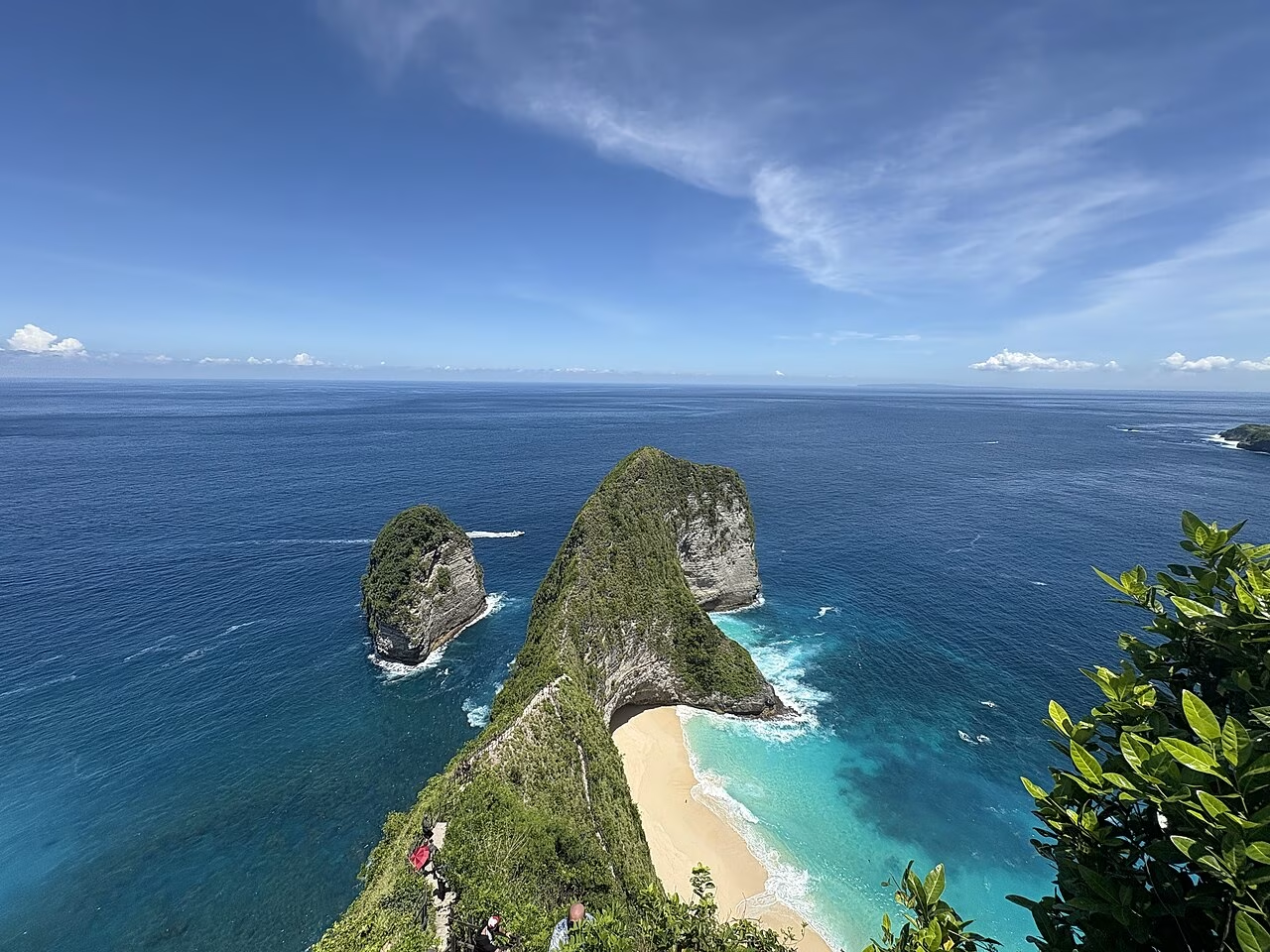
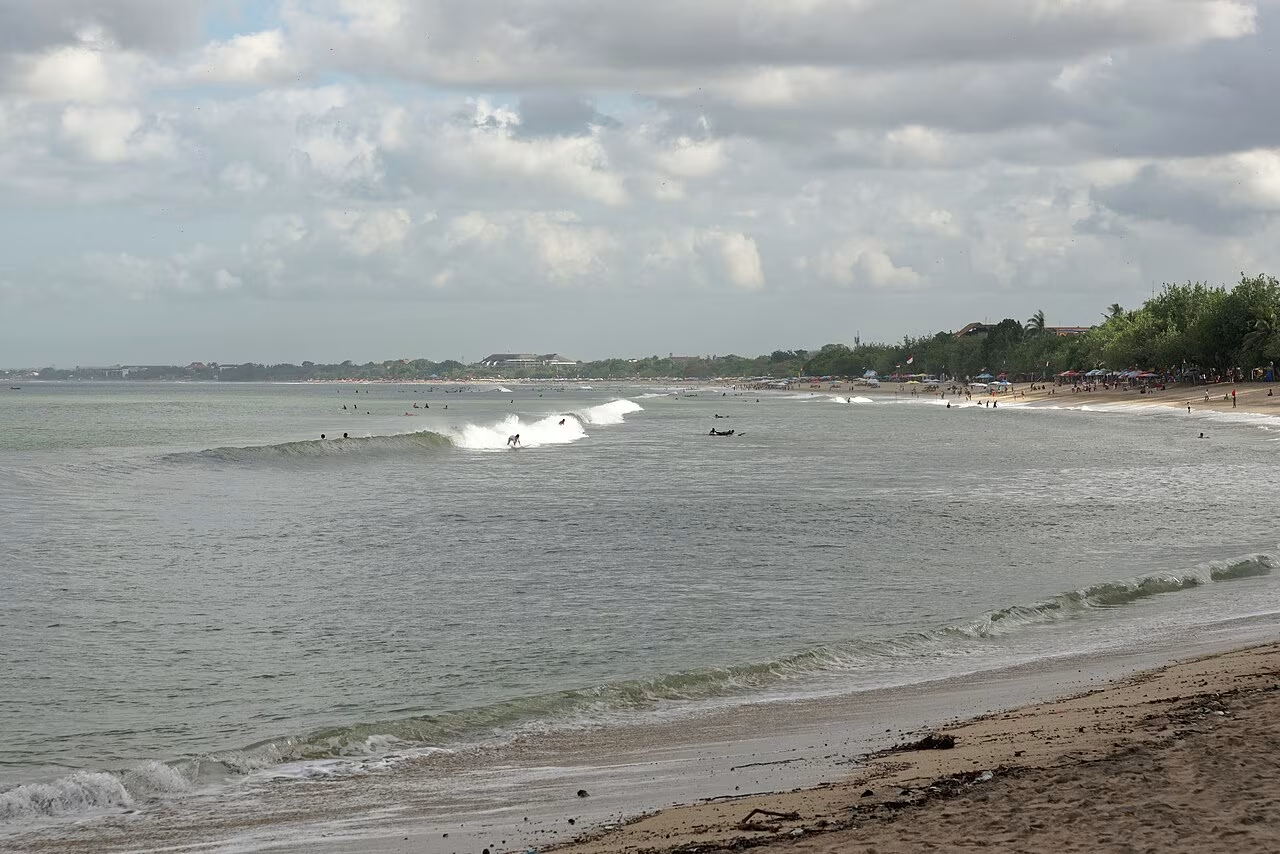
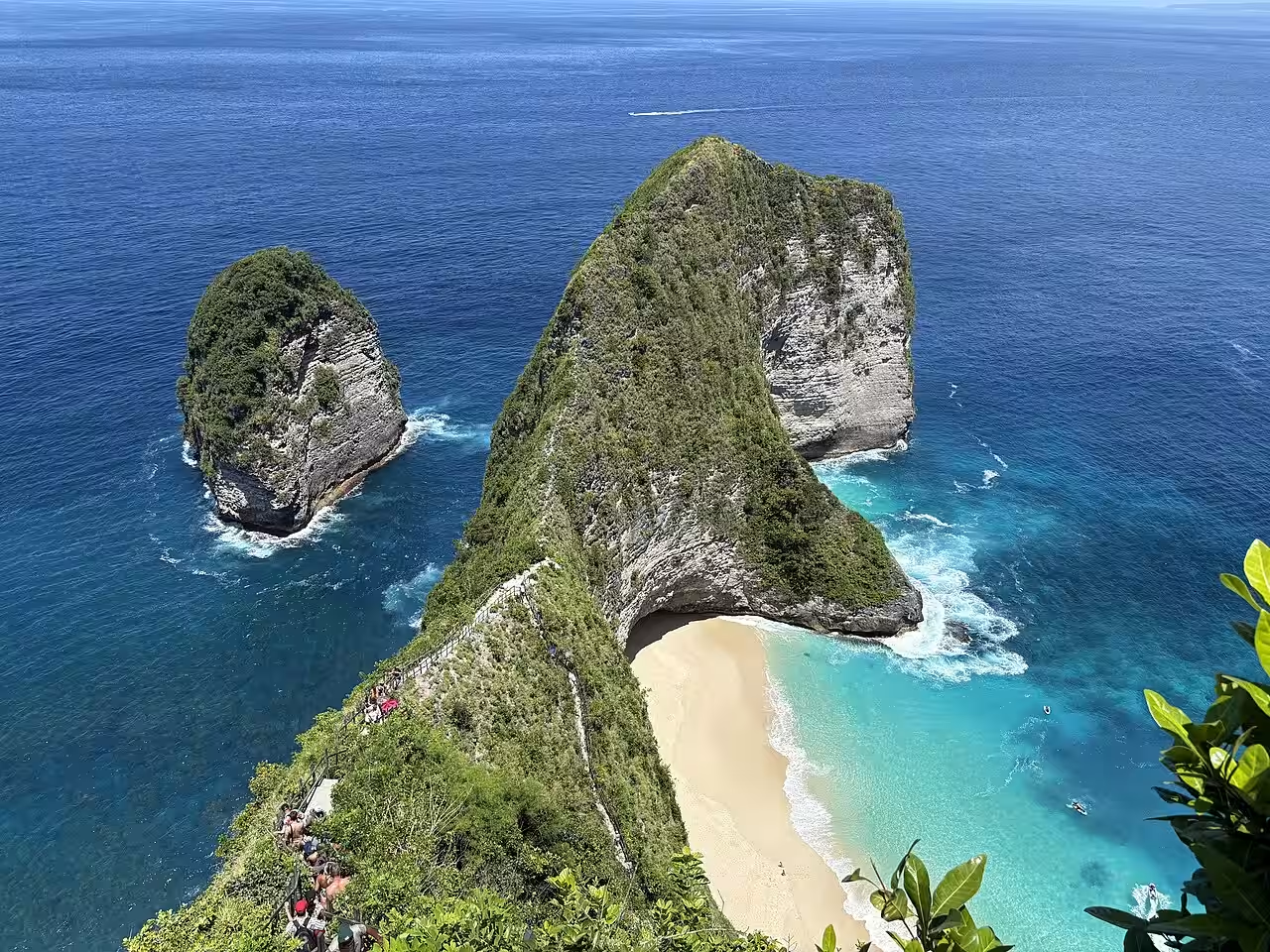
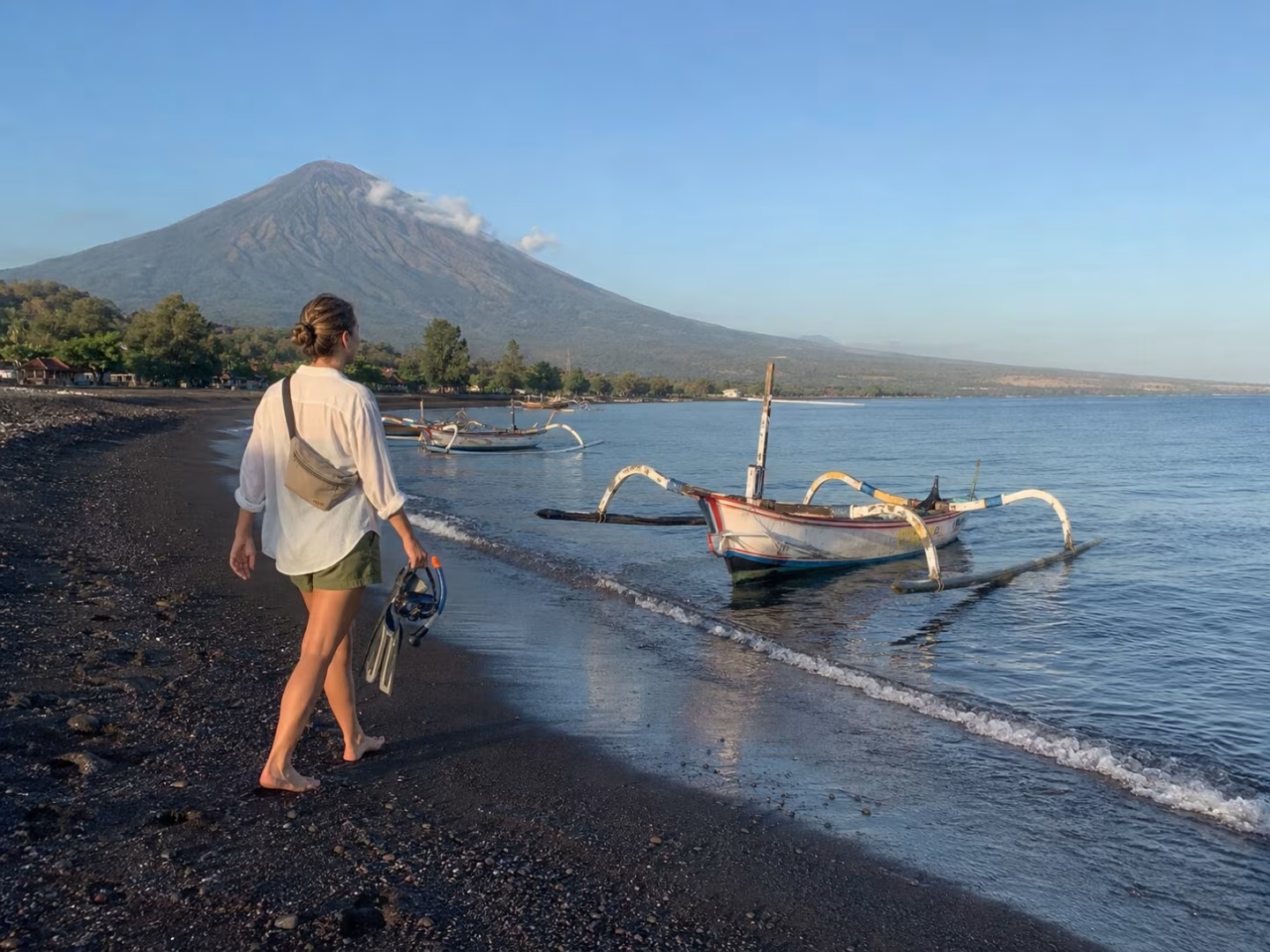
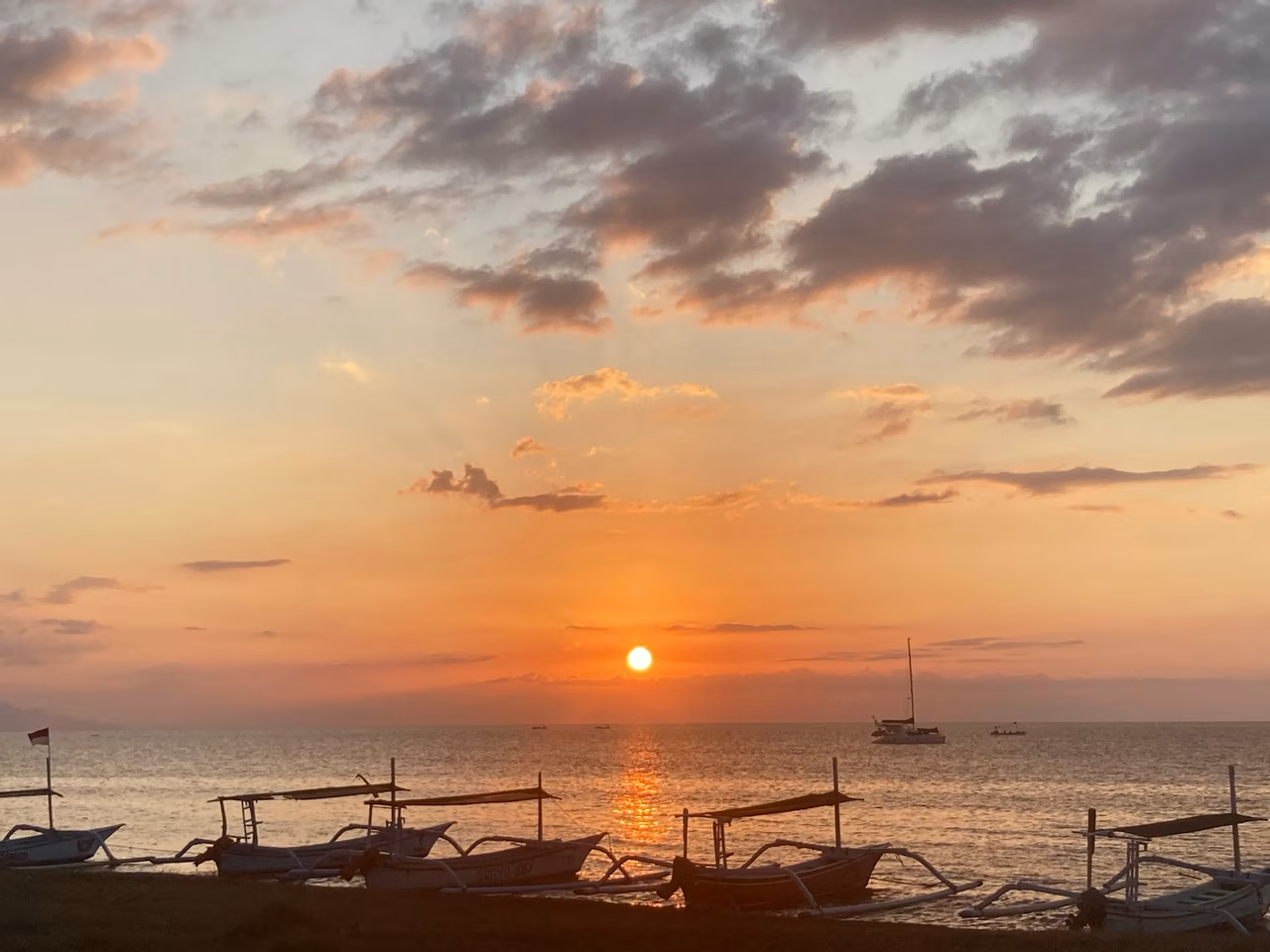
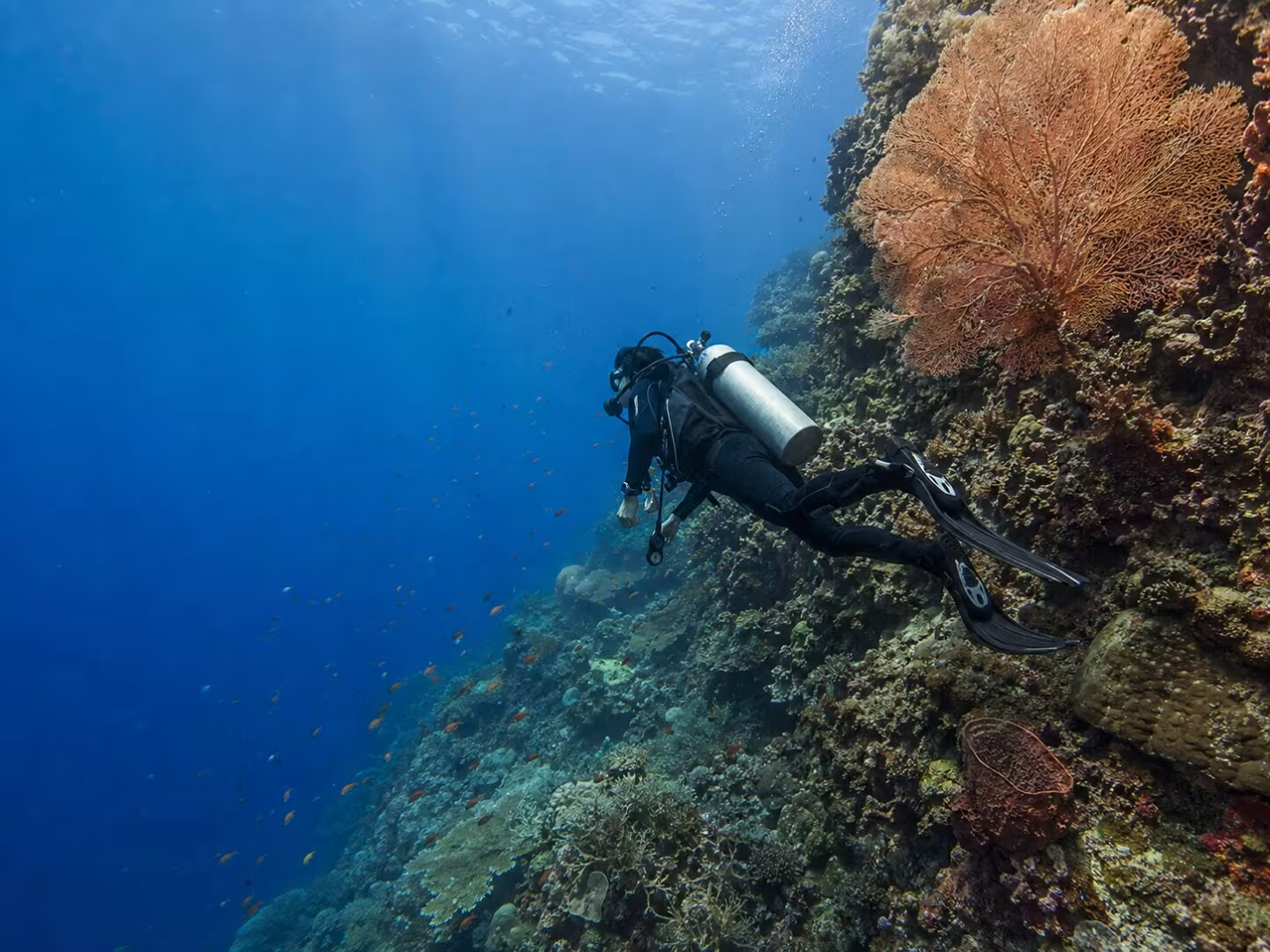
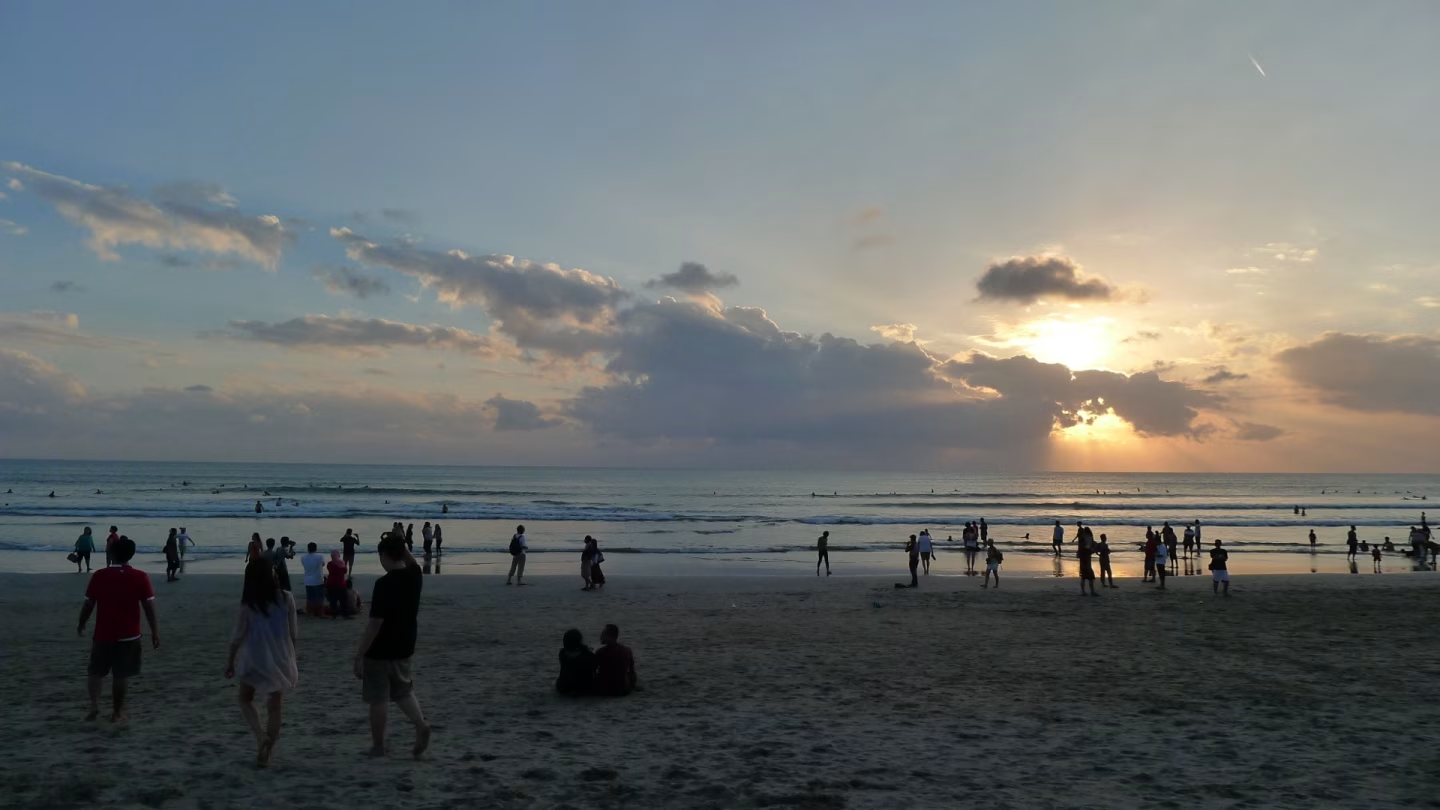
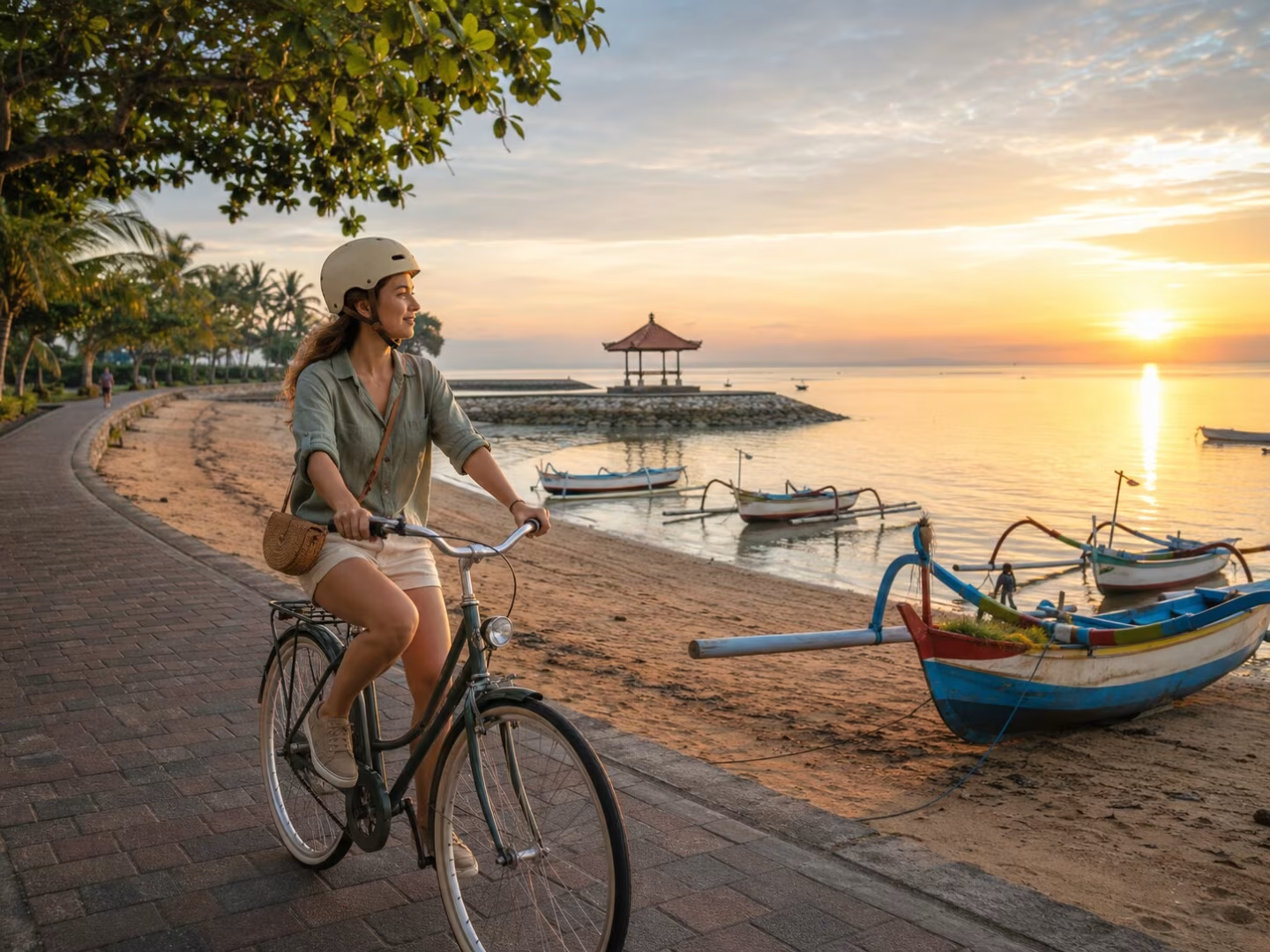
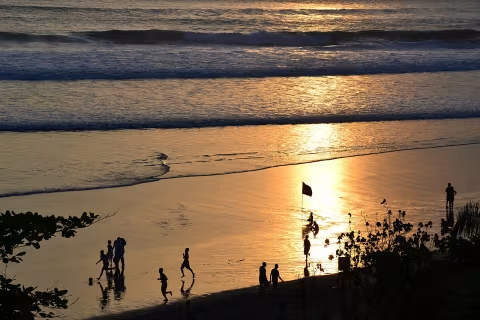
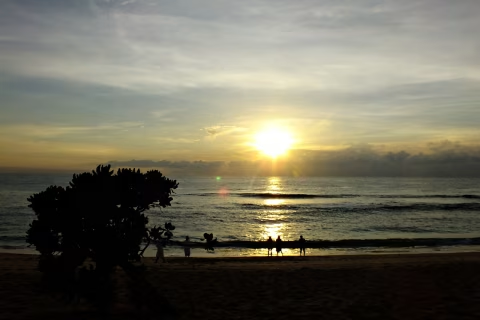
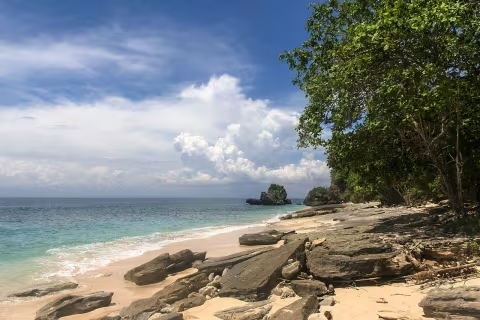
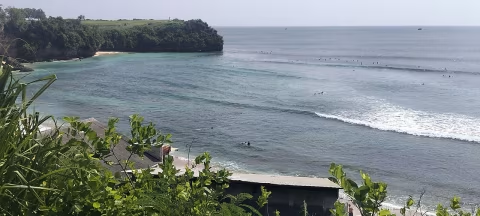
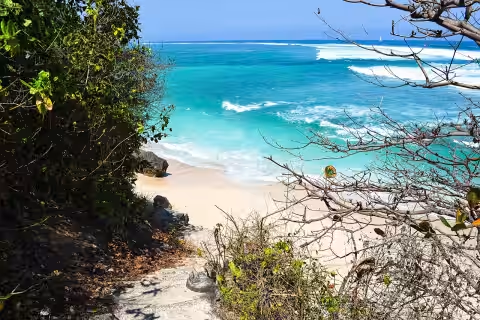
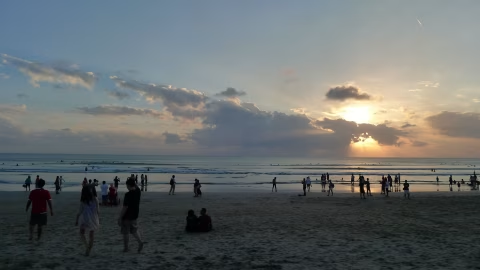
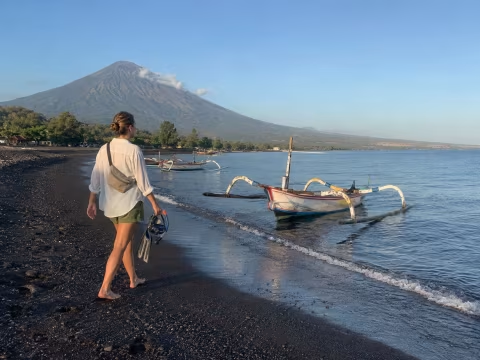
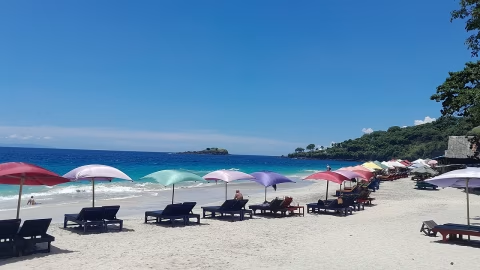
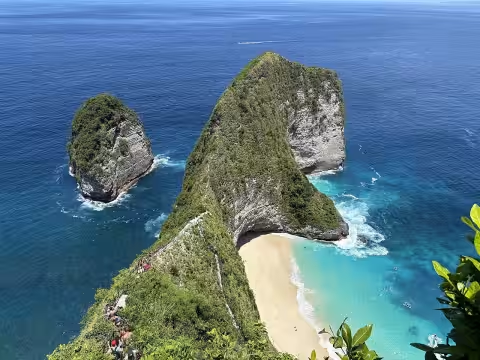
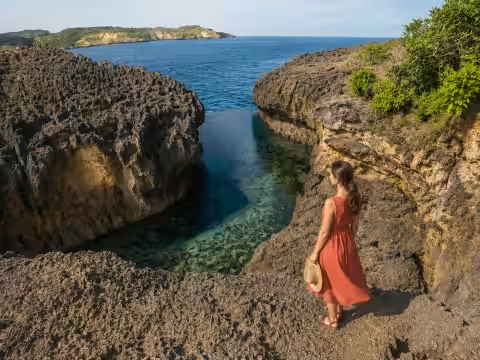
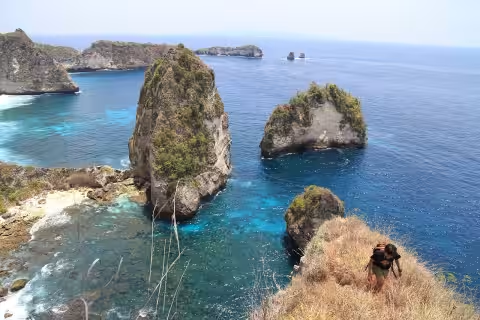
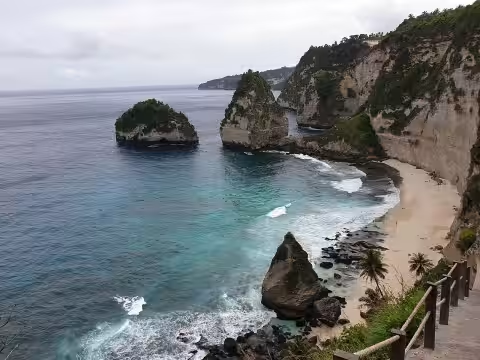
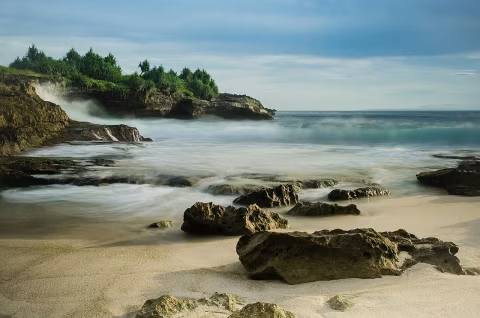
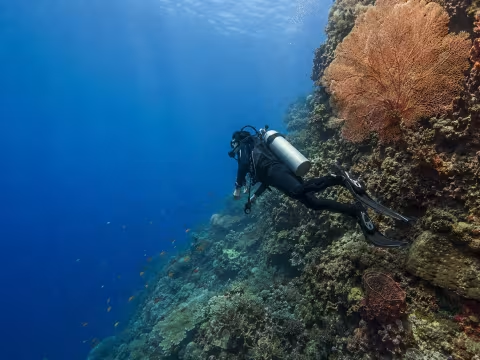
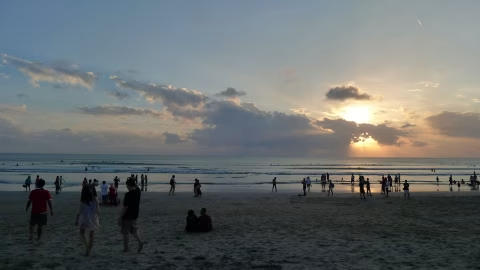
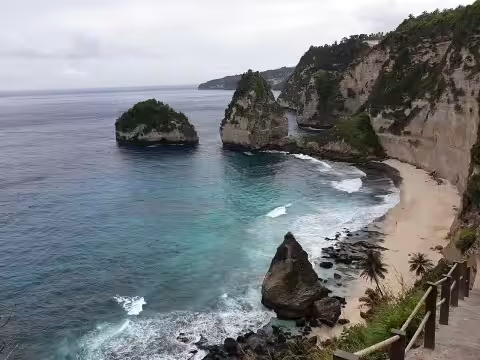
The coastline changes character by region: the south (Kuta, Seminyak, Canggu) has wide white-sand beaches and beach clubs; the Bukit Peninsula (Uluwatu, Padang Padang, Bingin) is defined by cliffside coves and reef surf breaks; Nusa Dua and Sanur offer calmer, reef-protected water suited to families; and the east and north coasts (Amed, Lovina) have quieter black volcanic-sand beaches popular for diving and snorkeling. Nusa Penida's clifftop viewpoints — Kelingking, Diamond Beach, Angel's Billabong — are a separate island reached by boat, and are viewed more often than swum at.
Sand, Water, and Geology
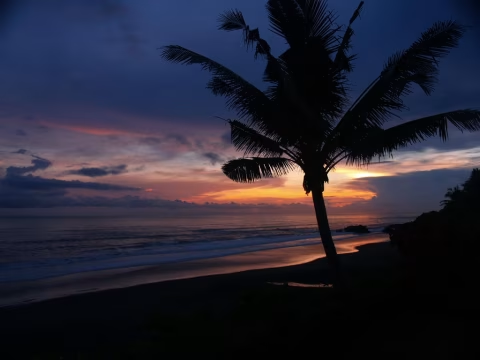
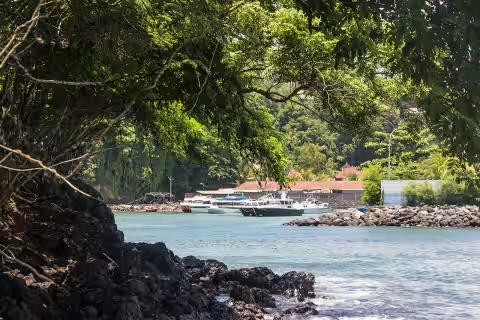
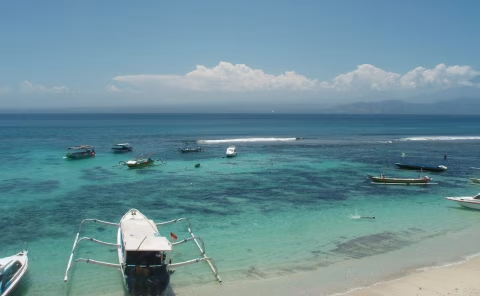
The sand itself tells a geological story: white sand in the south and on Nusa Penida comes from coral and shell fragments, while the black sand found from Lovina in the north around to Amed and Candidasa in the east is volcanic, eroded from Bali's andesitic peaks over thousands of years. That difference also affects water temperature and visibility — black-sand beaches tend to sit near deeper drop-offs favoured by divers and snorkellers, while the shallow reef flats fronting many white-sand beaches make for calmer, clearer swimming close to shore.
Surf Conditions and Seasons
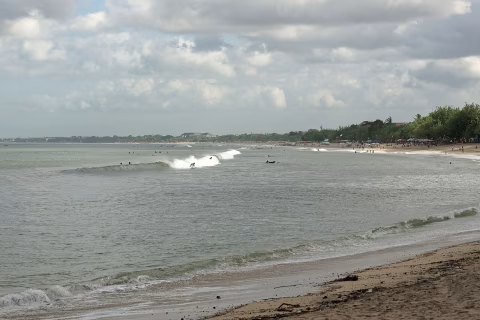
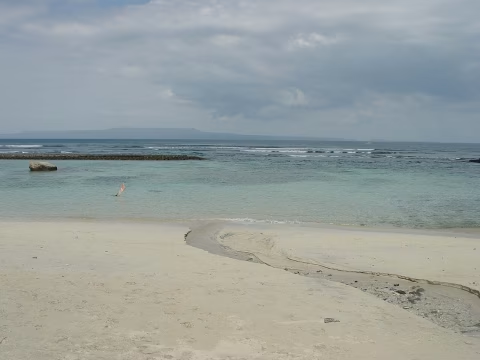
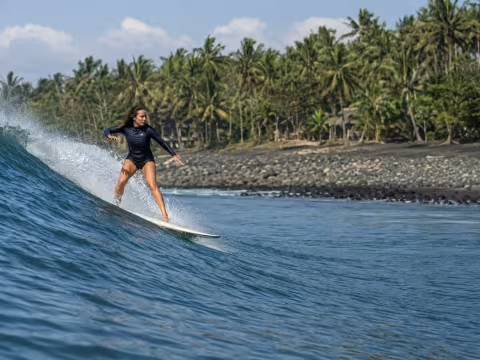
Surf conditions follow the same geography. The Bukit Peninsula and the beaches around Canggu face the open Indian Ocean and pick up a reliable dry-season swell from roughly April to October, which is why the international surf scene concentrates there. Nusa Dua, Sanur, and Jimbaran sit in the lee of reefs or face calmer water, so they draw families and swimmers instead. None of this is fixed forever — swell size, wind direction, and tide all change daily, so a beach that's glassy at dawn can be blown out and choppy by early afternoon.
Development Along the Coast
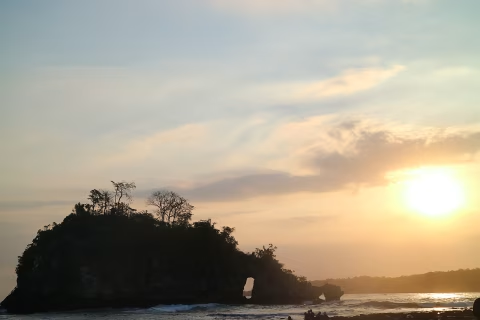
Development has followed the coastline unevenly. Kuta, Seminyak, and Canggu have grown into dense strips of hotels, beach clubs, and restaurants, while stretches of the east coast and much of Nusa Penida remain comparatively undeveloped, with fewer facilities and a slower pace. That contrast is part of the appeal for travellers who want both: a lively beach day in the south and a quieter, more scenic one further afield.
Tips for Visiting Bali's Beaches
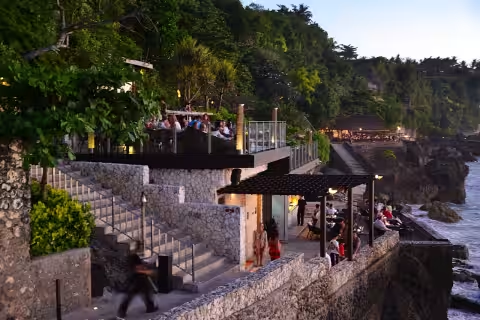
A few practical tips before you go: the dry season (roughly April to October) gives the calmest seas and clearest water for snorkelling and diving, while the same months bring the most reliable surf swell on the Bukit Peninsula. Bring reef-safe sandals for rocky entries at cliff beaches like Bingin, Padang Padang, or Green Bowl, where steep stairs lead down to the sand, and always check the tide time before descending — some coves are barely swimmable or hard to exit at high tide.
Where to Go First
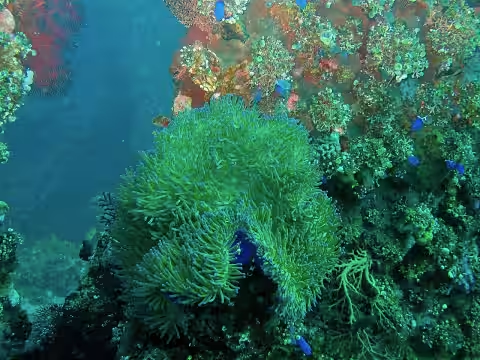
For a first visit, Padang Padang Beach and Bingin Beach pair well for the classic Bukit cliff-and-cove experience, while Nusa Dua Beach or Sanur Beach suit travellers who want calmer, reef-protected water. If you only have one day for Nusa Penida, Kelingking Beach, Broken Beach, and Angel's Billabong sit close enough together to combine in one loop from the Toyapakeh or Banjar Nyuh harbour. Divers and snorkellers get more from Amed, the USAT Liberty Wreck at Tulamben, or Menjangan Island than from the busier south-coast beaches.